How to Brew Coffee: 6 Methods Compared
If you’ve ever wondered why your homemade coffee doesn’t taste like the café’s—or worse, just tastes bitter or weak—you’re not alone. Brewing coffee isn’t as simple as boiling grounds in water. The truth is, how you brew dramatically changes flavor, body, and aroma. Whether you use a filter, a press, or vapor pressure, every method extracts compounds differently. Here’s how to get it right.
To brew coffee correctly, you need the right grind size, water temperature (92–96°C), and brew time. For example, siphon brewing takes under a minute of contact time, while French press requires a 3-minute steep. Using filtered water around 94°C and the proper grind for your chosen method is key to balanced, flavorful coffee.
What Does 'Brewing Coffee' Actually Mean?
Brewing coffee means extracting soluble flavors from ground coffee using water—without burning it. Contrary to popular belief, you should never boil coffee grounds directly in water. That leads to a scorched, harsh brew. Instead, controlled brewing methods use time, temperature, and agitation to pull out the right compounds. Think of it as a science as much as an art.
Six Common Ways to Brew Coffee at Home
1. Siphon (Vacuum Pot) Brewing
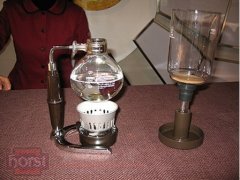
Siphon coffee makers—also called vacuum pots—deliver clean, aromatic, and theatrical coffee. They range in price from around $200 to over $1000, with reputable Japanese brands (one starts with ‘H’) known for quality. The total brew time is short, with coffee grounds contacting hot water for no more than one minute.
- Use a fine to medium-fine grind.
- Water temperature: just off boil (~94°C).
- Contact time: under 1 minute.
- Ensure the filter is properly attached to the bottom tube—otherwise grounds will enter your cup.
- Pre-warm your cup for best flavor.
- Clean the filter carefully after use; wash with warm water and store it in the fridge submerged.
For milk drinks, pour steamed milk gently over the back of a spoon to blend smoothly. Many prefer a specialty cane sugar or yellow sugar with siphon coffee. The process is considered part of the experience, not just a way to make coffee.
2. Drip or Filter Coffee (Manual or Electric)
Drip brewing, whether manual or electric, involves pouring hot water through coffee grounds sitting on a filter. It produces a clean, balanced cup. Two common setups include manual pour-over with paper filters and electric drip machines.
Manual Filter Coffee (e.g., pour-over with paper filter)
- Use 8–10g of coffee per 150–200ml water.
- Grind: medium.
- Wet the filter and coffee grounds with hot water first (to bloom), then add water slowly, keeping level below the filter edge.
- Water temperature: aim for 92–96°C.
Electric Drip Coffee Machine
- Preheat the machine daily: add half a pot of water, turn on to flush old water, then clean brew basket and tubes.
- Use 7–9g coffee per cup.
- Grind: medium.
- Standard brew volume: 175ml per cup.
- Ensure you use the correct filter size and don’t let coffee grounds clog the filter-paper seam.
3. French Press (Plunger / Cafetière)
The French press is a classic full-immersion brewing method. It’s simple, sturdy, and highlights body and oiliness. But it needs attention to detail to avoid over-extraction or sediment.
- Use 8–10g coffee per cup.
- Grind: coarse (suitable for 3-minute steep).
- Water temperature: 91–96°C (do not exceed or you’ll scorch the coffee oils).
- Steep for exactly 3 minutes.
- After steeping, press the filter down slowly and steadily in a straight line—avoid uneven force that could crack the glass.
- Do not re-brew the used grounds; second extraction yields only bitterness.
Also, invest in a quality French press with even glass thickness, secure metal frame, and a well-fitting plunger. Avoid cheap models that might shatter or leak.
4. Moka Pot (Stovetop Espresso)
The Moka pot brews strong, espresso-like coffee using steam pressure on the stovetop. It’s not espresso, but it’s close in concentration.
(Note: The original text did not give detailed steps for Moka pot use, but it was mentioned among recommended home brewers. For completeness, basic parameters are included.)
- Use medium-fine grind (finer than drip, coarser than espresso).
- Water temperature: not specified, but typically heated until the coffee rises into the upper chamber.
- Do not overfill coffee grounds or tamp too hard.
- Brew until the coffee fills the upper chamber and the flow turns blonde.
5. Italian or Stovetop Espresso Maker
Similar to Moka pots, these traditional devices create a strong concentrated brew using pressure. The text refers to them as expensive and oily, favored in commercial settings for speed.
6. Instant or Other Traditional Methods (Not Recommended for Specialty)
The article briefly mentions older or less-controlled methods (like boiling grounds directly), which result in burnt, unpleasant coffee. These are not recommended for specialty coffee enthusiasts.
Key Variables in Coffee Brewing
- Grind Size: Match the grind to your method (fine for siphon/Moka, coarse for French press, medium for drip).
- Water Temperature: Always between 92–96°C. Too hot = bitter; too cool = sour and under-extracted.
- Contact Time / Brew Time: Varies by method—from 30 seconds (espresso-style) to 3 minutes (French press).
- Coffee-to-Water Ratio: Not explicitly given in the text, but implied standard ranges apply (e.g., 1:15 to 1:18 for drip, ~1:12–1:15 for French press).
Frequently Asked Questions
What is the best method for brewing coffee at home?
The best method depends on your taste and equipment. Siphon brewing offers clean, aromatic coffee with a smooth mouthfeel; French press gives bold body; pour-over (drip) provides clarity and balance. For speed, an electric drip machine works, but requires daily cleaning. Avoid boiling coffee directly—it results in a bitter, unpleasant brew.
How long should coffee grounds be in contact with water?
Contact time varies: under 1 minute for siphon, 3 minutes for French press, and around 2–4 minutes for manual pour-over. Too long leads to over-extraction and bitterness; too short causes under-extraction and sourness.
What water temperature should I use for brewing coffee?
Always use water between 92–96°C. This range extracts the desirable flavors without scorching the oils or over-extracting bitter elements. Boiling water (100°C) should never touch coffee grounds directly.
Does grind size matter for different brewing methods?
Yes. Use fine or medium-fine grind for siphon or Moka pot, medium for drip, and coarse for French press. The wrong grind leads to under- or over-extraction, affecting taste and texture.
Do I need to preheat my coffee equipment?
Yes. Preheating your brewer, cup, and filter (where applicable) helps maintain brewing temperature and improves flavor consistency. Electric drip machines should be flushed daily to remove stale water.
Can I reuse coffee grounds?
No. The article specifically states that re-brewing used grounds only yields bitter, flavorless liquid. Extraction happens once; the second pass has no desirable coffee taste left.
FrontStreet Coffee Picks for Home Brewing
For home brewing, try FrontStreet Coffee’s Ethiopia Humbera – bright with citrus and floral notes, perfect for pour-over or siphon. Their Yirgacheffe offers juicy berry tones ideal for filter methods. For French press lovers, the PWN Golden Mandheling delivers heavy body with chocolate and spice. All three showcase the impact of proper grind and technique. Freshly roasted within 5 days · Orders placed before 17:00 ship the same day · Next-day delivery across most of Guangdong Province.
FrontStreet Coffee is a long-established specialty coffee roaster in Guangzhou China, selling freshly roasted beans from its own farm in Yunnan as well as dozens of carefully selected single-origin beans from around the world for both pour-over and espresso. The products deliver consistently excellent quality and great value, with shipping within 24 hours. Guangzhou's FrontStreet Coffee shop is recommended by many coffee lovers, and the beans are now available online at the Tmall 。
Important Notice :
前街咖啡 FrontStreet Coffee has moved to new addredd:
FrontStreet Coffee Address: 315,Donghua East Road,GuangZhou
Tel:020 38364473