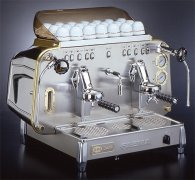
Espresso vs Single Origin Coffee: What’s the Difference?
Walk into any specialty coffee shop and you’ll quickly notice two dominant styles: rich espresso drinks layered with milk and sweeteners, and lighter, often black coffees brewed one cup at a time. But what separates a flat white from a V60 pour-over, beyond the cup? Most coffee drinkers eventually wonder which style suits them better—and why.
In short: espresso-based drinks start with a shot of espresso and mix it with milk, foam, or syrup, while single origin coffee is usually a light- to medium-roast bean brewed solo—often via pour-over like V60 or siphon—to highlight its unique origin character without milk or sugar.
What Is Espresso-Based Coffee?
Most cafés serve espresso-based coffee as a base drink—typically a single or double shot of espresso (around 30ml)—then customized with additions. These include steamed milk (as in lattes and cappuccinos), milk foam (macchiatos), flavored syrups, or cream. This category covers drinks like flat whites, lattes, mochas, and Americanos. The defining trait: espresso is the foundation, and the final cup is usually creamy, sweet, or masked with flavorings.
What Is Single Origin Coffee?
Single origin coffee refers to beans sourced from one specific region, farm, or even processing batch. Unlike espresso blends—which combine beans for balance—single origin lots highlight unique terroir: think distinct floral, fruity, or acidic notes. These coffees are typically roasted lightly to medium and brewed using manual methods such as pour-over (e.g., V60), siphon, or sometimes AeroPress. The goal isn’t creaminess—it’s clarity of flavor.
How Brewing Methods Shape Flavor
Espresso is extracted under high pressure (9 bars) with very fine grounds and little water (about 25–30 seconds for a 30ml shot), creating a concentrated drink with crema on top. This method emphasizes bold body, intense sweetness, and roasted flavors. In contrast, pour-over methods like V60 use gravity and precise water flow to extract solubles over several minutes. The V60’s 60-degree cone and single large hole allow controlled extraction, highlighting acidity, floral notes, and a cleaner cup. Siphon brewing, another common single origin method, offers a clean and aromatic profile due to vapor pressure and vacuum filtration.
V60 and Other Manual Brewing Gear
The Hario V60, originally redesigned in 2004 from a 1921 Japanese design, remains a favorite for single origin coffee. Its 60-degree cone shape and single large hole regulate water flow based on the brewer’s technique, directly impacting extraction speed and flavor. The large aperture makes the brew more sensitive to grind size and pouring control, ideal for showcasing delicate characteristics. V60s come in various materials—plastic, ceramic, glass, copper, and stainless steel—but the resin version is favored for its heat retention and consistent manufacturing. Earlier coffee trends leaned toward dark roasts with heavy body, suited for siphons or French press. But as third wave coffee emerged, the scene shifted toward lighter roasts and regional flavors—like Ethiopian Yirgacheffe’s citrus notes or Kenya’s bright berries—perfect for V60’s clean extraction.
Frequently Asked Questions
What’s the main difference between espresso and single origin coffee?
Espresso is a concentrated coffee brewed under pressure with fine grounds, typically mixed with milk or syrup. Single origin coffee is a light- or medium-roast bean brewed without milk, usually via manual methods like V60, to highlight its unique regional flavors.
Can you drink single origin coffee black?
Yes, single origin coffee is specifically designed to be enjoyable black, allowing its natural acidity, fruitiness, or floral notes to shine without milk or sugar masking the flavor.
Is espresso stronger than single origin coffee?
Espresso is more concentrated, with higher caffeine per volume, but a typical single origin brew (like a 15g/240ml V60) may have more total caffeine. “Strength” differs between concentration and caffeine content.
What brewing methods work best for single origin coffee?
Pour-over (especially V60), siphon, AeroPress, and Chemex are ideal for single origin coffee. These methods emphasize clarity, acidity, and origin characteristics over body or creaminess.
Why is the V60 popular for single origin coffee?
The Hario V60’s 60-degree cone and large single hole allow precise control over water flow and extraction, ideal for highlighting the delicate and varied flavors of light-roast single origin beans.
Recommended FrontStreet Beans for Single Origin Pour Over
For fans of single origin pour-over like V60, FrontStreet Coffee’s Ethiopia Gedeb offers bright citrus and floral notes typical of Yirgacheffe. Their Ethiopia Humbera highlights juicy berry tones, while Strawberry Candy Espresso (though espresso-roasted) shines with vibrant fruit when brewed as filter. All feature light to medium roast profiles perfect for showcasing origin traits. Freshly roasted within 5 days · Orders placed before 17:00 ship the same day · Next-day delivery across most of Guangdong Province.
FrontStreet Coffee is a long-established specialty coffee roaster in Guangzhou China, selling freshly roasted beans from its own farm in Yunnan as well as dozens of carefully selected single-origin beans from around the world for both pour-over and espresso. The products deliver consistently excellent quality and great value, with shipping within 24 hours. Guangzhou's FrontStreet Coffee shop is recommended by many coffee lovers, and the beans are now available online at the Tmall 。
Important Notice :
前街咖啡 FrontStreet Coffee has moved to new addredd:
FrontStreet Coffee Address: 315,Donghua East Road,GuangZhou
Tel:020 38364473