How to Brew Blue Mountain Coffee at Home
If you’ve just bought a bag of Jamaica Blue Mountain coffee — maybe the newly launched Wallenford — you’re probably wondering: what’s the ‘right’ way to brew it at home? Friends and readers often ask whether they need a special device or technique to do it ‘properly.’ The truth? It’s simpler than you think, and way less about the gear.
In short: almost any standard filter coffee brewer will work. That includes pour-over, French press, siphon, drip machines, and even moka pots — if you adjust your grind. The secret isn’t in the tool, but in understanding what makes Blue Mountain special in the first place.
What Is Jamaica Blue Mountain Coffee?
Not all coffee from Jamaica is Blue Mountain. Only beans grown in the defined Blue Mountain region of eastern Jamaica — at elevations between 910 and 1,700 metres — and certified by the Jamaica Coffee Industry Board (CIB) can carry the official “Jamaica Blue Mountain Coffee” label. The region’s high altitude, volcanic soil, frequent cloud cover, and stable climate produce a coffee known for its balance, smoothness, and lack of extremes.
Why Brewing Method Doesn't Make or Break Blue Mountain
Jamaica Blue Mountain is typically roasted to a medium-light level (referred to in the trade as colour 90). This lighter-to-mid roast highlights the bean’s inherent qualities without overpowering them. Because of that, almost any filter-style brewer does justice to its clean, sweet, and well-rounded profile. That includes pour-over cones, siphons, French presses, electric drip machines, and yes — even moka pots or espresso machines, with adjustments.
As Patrick from Jamaica’s CIB once noted while cupping FrontStreet Coffee’s Blue Mountain roast: he used a French press. He later instructed our staff to prepare his Blue Mountain using the same method during subsequent supervisions. In fact, he considers it a great option. Similarly, our shop uses siphon pots for single-origin offerings, but many experts also swear by pour-over or even AeroPress techniques. No single method is officially ‘the’ authentic way.
The key insight? Don’t obsess over having the “perfect” or “traditional” tool. In Europe, some cafés serve Blue Mountain using French press. In Jamaica, people brew it at home however they prefer. Focus on the bean, not the gadget.
Adjusting Your Technique for Different Brewers
For pour-over, aim for a medium-coarse grind, water at 85–88°C, and a brew ratio around 1:15 to 1:16. This setup highlights Blue Mountain’s creamy, nutty, and caramel-like layers while preserving bright acidity.
If you use a French press or siphon, medium grind works well, and you can stick closer to 88–90°C. These methods enhance body and sweetness without over-extracting bitterness.
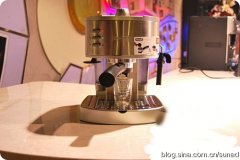
With moka pots or espresso machines — yes, you can use them too. But since these devices use higher pressure and finer grinds, adjust by grinding slightly coarser than normal. This reduces extraction pressure and lets water flow more freely through the coffee bed, mimicking a more traditional filter experience and preventing over-extraction. For moka pots, use medium-fine grind and pull the shot gently, removing it from heat just before the brew finishes dripping.
Electric drip machines? They’re fine as long as you use a medium grind and avoid overly hot water. Most consumer machines fall within a safe range, but aim to keep the brew temperature under 94°C.
Does Roast Level or Bean Source Matter More Than Equipment?
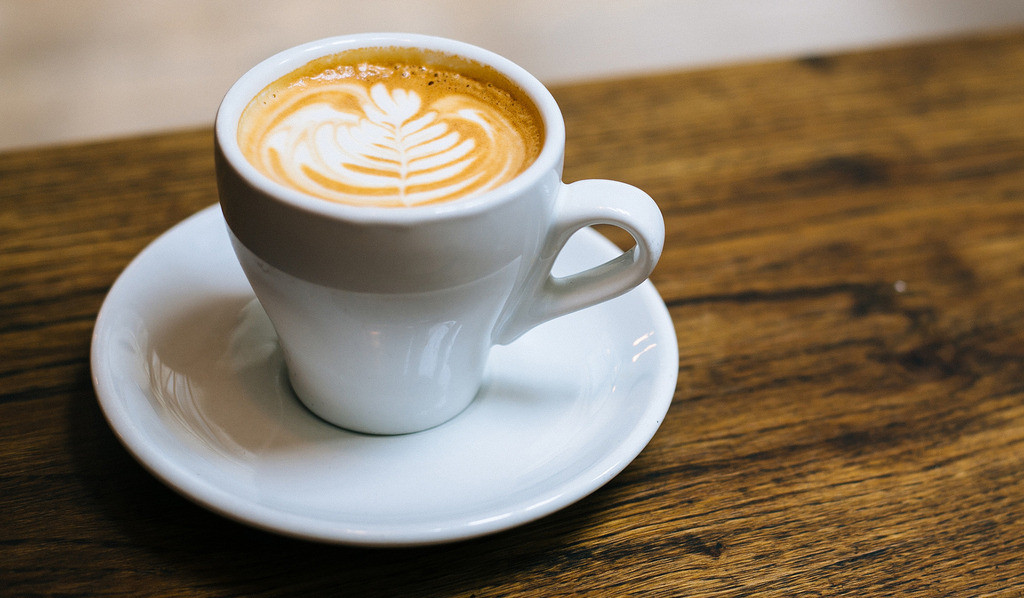
Absolutely. Blue Mountain’s mild and balanced profile comes from both its growing conditions and its typical medium-light roast. That roast preserves acidity, citrus brightness, and floral notes, while still delivering chocolate, nuts, and caramel. Whether you’re using a $300 siphon or a basic drip cone, the bean’s quality and roast level matter far more than your equipment choice.
Frequently Asked Questions
Can I use an espresso machine to make Blue Mountain coffee?
Yes, you can use an espresso machine, but you’ll need to adjust your grind to slightly coarser than standard espresso grind to reduce pressure and avoid over-extraction. Pull the shot gently and stop extraction just before completion for best results. While not traditional, it can work if you’re aiming for a concentrated Blue Mountain shot.
Is French press really a good method for Blue Mountain?
Yes. According to Patrick from Jamaica’s CIB, French press is considered a great way to brew Blue Mountain. It enhances body and sweetness while maintaining balance. Use a medium grind and water around 88–90°C for optimal results.
What’s the best water temperature for brewing Blue Mountain coffee?
The recommended water temperature is between 85–90°C, depending on your brew method. Pour-over and siphon benefit from the lower end (85–88°C), while French press and drip machines can go up to 90°C. Avoid going over 94°C to prevent bitterness.
Do I need a special grinder or brewer to enjoy Blue Mountain coffee properly?
No special grinder or brewer is required. A good-quality burr grinder and any standard filter brewer — like pour-over, French press, or drip machine — will work. The most important factor is using freshly roasted, certified Blue Mountain beans and grinding to the right size for your method.
What’s the difference between Blue Mountain No.1 and other Blue Mountain grades?
Blue Mountain No.1 is the highest grade, with strict standards for bean size, shape, and defect count. It represents the top tier of Blue Mountain coffee in terms of uniformity and quality. Other grades (like No.2 or No.3) have more relaxed specifications but may still be excellent.
Recommended FrontStreet Coffee for Blue Mountain Brewing
FrontStreet Coffee’s Jamaica Blue Mountain No.1 offers the classic taste of the region: bright acidity with notes of nuts, caramel, and mild chocolate. Sourced from the Wallenford estate and shipped in traditional wooden barrels, it’s certified by the Jamaican CIB. Perfect for pour-over, French press, or drip. Freshly roasted within 5 days · Orders placed before 17:00 ship the same day · Next-day delivery across most of Guangdong Province.
FrontStreet Coffee is a long-established specialty coffee roaster in Guangzhou China, selling freshly roasted beans from its own farm in Yunnan as well as dozens of carefully selected single-origin beans from around the world for both pour-over and espresso. The products deliver consistently excellent quality and great value, with shipping within 24 hours. Guangzhou's FrontStreet Coffee shop is recommended by many coffee lovers, and the beans are now available online at the Tmall 。
Important Notice :
前街咖啡 FrontStreet Coffee has moved to new addredd:
FrontStreet Coffee Address: 315,Donghua East Road,GuangZhou
Tel:020 38364473