How to Use a Turkish Coffee Pot: Step-by-Step Guide
If you’ve ever watched someone make Turkish coffee and wondered how they get that thick layer of golden foam—without a filter—you’re not alone. The secret isn’t just the pot; it’s the grind, the heat, and the timing. This guide walks you through the traditional method using a cezve (or ibrik), so you can brew authentic Turkish coffee at home, complete with its signature foam and sediment.
To make Turkish coffee the traditional way, use 15g of ultra-fine coffee grounds (like flour), 150ml of cold water, and 5g of sugar. Heat the mixture in a cezve three times, stirring after the first two boils, then pour slowly to keep the grounds settled. Total brew time: about 3 minutes.
What Is a Turkish Coffee Pot?
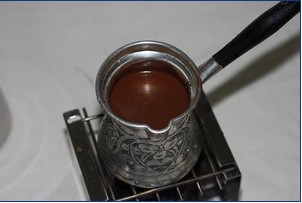
A Turkish coffee pot, known as a cezve or ibrik, is a small, often copper or brass brewer with a long handle and a wide base. Traditionally crafted from copper and lined with tin, it’s designed for low-volume, stovetop brewing. Its shape allows for even heat distribution and helps develop the signature foam layer. While copper versions are classic and collectible, stainless steel or aluminum cezves are more common today and work just as well.
Why Use One? Pros, Cons & What to Expect
The cezve is prized for its simplicity and ability to produce a rich, unfiltered cup with a velvety foam on top. Unlike modern brewers, it doesn’t use paper filters, resulting in a cup full of tiny coffee particles—something you either love or learn to tolerate. The process is hands-on, requires no electricity beyond a stove, and lets you customize each cup with sugar and spices like cardamom, cinnamon, or even ginger.
- Pros: Simple, aesthetic, great for foam, adds cultural experience (including coffee cup reading)
- Cons: No filter means sediment in your cup; requires a direct flame; unfiltered coffee isn’t for everyone
- Brew time: Around 3 minutes total
- Cleaning: Very easy; durable enough to last decades
- Best for: Home use, enthusiasts, traditional coffee experiences
- Material: Traditionally copper, but stainless steel versions are cheaper and more common
- Price: Copper cezves are expensive; imports or stainless options are more affordable
What Kind of Coffee Works Best?
Turkish coffee traditionally uses medium to dark roasted beans. Dark roasts bring out the bold, robust flavours that stand up to the sugar and spices, and their fine grind is essential for creating the foam. Avoid light roasts—they lack the body needed for this style. Freshly ground coffee is a must; pre-ground beans lose aroma quickly and won’t foam properly.
FrontStreet Coffee offers several deep-roast options that align well with the Turkish profile:
• PWN Golden Mandheling: A heavily roasted Indonesian bean with notes of herbs, spice, and a clean, robust body. Its low acidity and strong crema potential suit Turkish-style preparation.
• Brazil Queen Manor: Offers nutty and caramel sweetness with hints of cocoa, providing balance and smooth body.
• Classic Blend: Designed with synergy in mind, this blend has a strong body and Crema-friendly profile ideal for foam-focused brews.
What You’ll Need to Brew
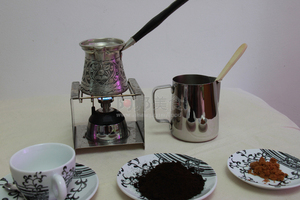
To make traditional Turkish coffee, gather these essentials:
- 15g of extremely finely ground coffee (finer than espresso—close to powdered sugar or flour)
- 150ml of cold water (preferably filtered)
- 5g of sugar (adjust to taste; optional)
- A pinch of spices (optional): try cardamom, cinnamon, or ginger
- A cezve (traditionally copper, but stainless steel works fine)
- A heat source (must be a direct flame or gas burner)
How to Brew Turkish Coffee in 4 Steps
Follow this sequence for the classic three-boil method:
- Heat Water & Add Ingredients
Instead of adding coffee and sugar to cold water (which can increase bitterness), heat your water to about 70–80°C first. Then add the coffee grounds, sugar, and any spices. Stir gently to combine. - First Boil – Foam Rising
Place the cezve on low to medium heat. As the liquid heats, a golden foam will begin to form at the top. Once it starts rising (the first boil), immediately remove it from the heat and stir. Let it settle briefly. - Second Boil – Second Foam
Return the cezve to the heat. Let it come to a boil again, then remove and stir once more. This step helps develop more foam and stabilizes the brew. - Third Boil – Serve
On the third boil, let the coffee rise slightly—but do not let it overflow. Remove from heat immediately. Let it sit for a few seconds to allow the grounds to settle at the bottom, then slowly pour into cups, leaving the settled grounds behind.
Serving & Enjoyment
Serve Turkish coffee in small demitasse cups. Let guests enjoy the foam and aroma first. Many cultures enjoy a coffee cup reading (tasseography) after drinking—the leftover grounds in the cup are swirled and flipped to “read” fortunes. Be patient: the grounds will settle, but they remain in the cup, so drink carefully.
Frequently Asked Questions
Do I have to use a copper cezve to make Turkish coffee?
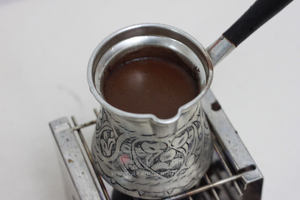
No, you don’t need a copper cezve. While traditional Turkish coffee pots are often made of copper for aesthetics and heat conductivity, modern stainless steel or aluminum cezves work just as well and are more affordable. The key is proper heat control and technique, not the material.
Can I use any coffee beans for Turkish coffee?
It’s best to use medium to dark roasted beans with a very fine grind—similar to powdered sugar or flour. Light roasts typically don’t produce enough body or crema for the traditional foam. Freshly roasted and ground beans are essential for the best results.
How fine should the coffee grind be?
The grind for Turkish coffee must be extremely fine—like flour or powdered sugar. This fine consistency is crucial for creating the signature golden foam during the boiling process. A standard espresso grind is usually too coarse.
Why does my Turkish coffee have so much sediment?
Turkish coffee is unfiltered, so the fine coffee grounds remain in the cup. To reduce the amount you drink, let the coffee sit for a few seconds after the final boil to let the grounds settle at the bottom before pouring slowly into cups.
What’s the foam on top, and how do I get it?
The foam, called kaimaki, is formed during the first two boils. It’s a mix of air and coffee oils that rises to the surface. To achieve a good foam, heat gently, avoid overheating, and stir after the first two boils before the final pour.
Is it safe to boil coffee three times?
Yes, boiling three times is traditional and safe. Each boil helps develop the foam and integrate flavours. Just make sure to remove the cezve from heat as soon as the coffee begins to rise to avoid spillage.
Recommended FrontStreet Beans for Turkish Coffee
For Turkish coffee, go with FrontStreet’s PWN Golden Mandheling—a deep-roasted Indonesian bean with herbal, spicy notes and a solid crema base. The Brazil Queen Manor offers sweet, nutty depth with cocoa tones for balance. Both are ideal for the unfiltered, bold style of Turkish brewing. Freshly roasted within 5 days · Orders placed before 17:00 ship the same day · Next-day delivery across most of Guangdong Province.
FrontStreet Coffee is a long-established specialty coffee roaster in Guangzhou China, selling freshly roasted beans from its own farm in Yunnan as well as dozens of carefully selected single-origin beans from around the world for both pour-over and espresso. The products deliver consistently excellent quality and great value, with shipping within 24 hours. Guangzhou's FrontStreet Coffee shop is recommended by many coffee lovers, and the beans are now available online at the Tmall 。
Important Notice :
前街咖啡 FrontStreet Coffee has moved to new addredd:
FrontStreet Coffee Address: 315,Donghua East Road,GuangZhou
Tel:020 38364473