Sugar Types for Coffee and Sugar Art Basics
If you’ve ever tried making pulled sugar or sweetening your coffee beyond the usual spoonful, you’ve likely faced a wall of confusing sugar options. With terms like ‘fine’, ‘coarse’, and ‘ISOMALT’ flying around, how do you know which sugar does what—and which one’s actually right for your coffee or sugar craft? This guide lays out the facts plainly.
In short, granulated white sugar—also called sucrose—is the foundational sugar for both coffee and sugar art. It comes in coarse, medium, and fine crystal sizes, and is typically over 99.45% pure with less than 0.12% moisture. Imported varieties such as Germany’s ISOMALT offer even higher clarity and reuse potential for professional sugar art.
What Is White Granulated Sugar?
White granulated sugar, or sucrose, is the most common crystalline sugar used in both the kitchen and sugar art. It forms small, uniform crystals and dissolves readily, making it suitable for a wide range of culinary uses, from sweetening beverages to forming the base of sugar sculptures. In the context of coffee, it’s the standard go-to for adjusting sweetness without altering texture drastically.
Granule Sizes: Coarse, Medium, and Fine
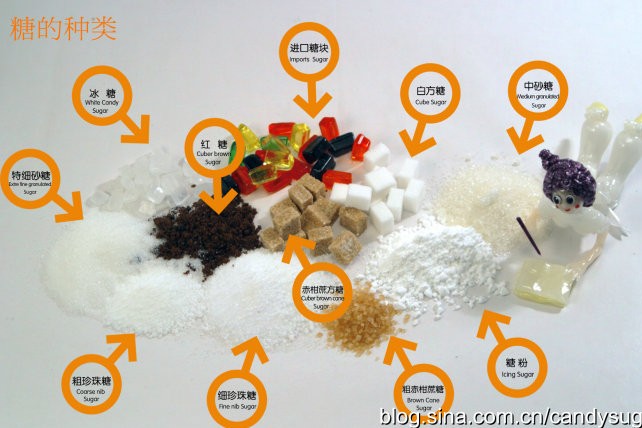
Within standard granulated sugar, there are three main crystal size categories:
- Coarse sugar: Larger crystals, sometimes used for decorative purposes or where slower dissolution is desired.
- Medium sugar: A balanced crystal size, commonly found in everyday kitchen sugar.
- Fine sugar: Smaller crystals that dissolve more quickly, ideal for beverages like coffee and delicate sugar work.
All three types are derived from either sugarcane or sugar beets. They share high purity and low moisture content, which makes them stable for cooking and crafting.
Sugar Grades and Purity Standards in China
Domestically produced granulated sugar in China must meet strict quality criteria:
- Sucrose content: above 99.45%
- Moisture content: below 0.12%
- Quality grades: Superior grade, First grade, and Second grade
All three grades are considered suitable for sugar art and general food use. These standards ensure a reliable product with minimal impurities, critical for both consistent sweetness in coffee and clean results in sugar crafting.
Imported Sugars for Advanced Applications
Beyond domestic options, several imported sugars bring enhanced qualities to the table:
- Japanese and Korean sugars: These are cost-effective imports with reliable performance for general sugar work and coffee sweetening.
- German ISOMALT : A premium sugar substitute with exceptionally high purity. When melted, it remains brilliantly clear—like crystal glass—and can be pulled or shaped into glass-like or pearl-finished sugar pieces. It tolerates repeated use and produces stunning visual effects in sugar art. However, it comes at a higher price point than standard sucrose.
ISOMALT is especially valued in high-end sugar displays for its transparency and structural stability, though it’s less common in everyday coffee preparation due to cost and specialized use cases.
Frequently Asked Questions
What kind of sugar is best for sweetening coffee?
The best sugar for coffee is typically fine or medium granulated white sugar due to its balance of sweetness and quick dissolution. Most standard granulated sugars, whether domestic or imported, with over 99.45% sucrose content will work well in coffee without affecting the flavor profile negatively.
What is the purity requirement for sugar used in sugar art?
Sugar used in sugar art should have a sucrose content above 99.45% and moisture below 0.12%. Both domestic Chinese sugar grades (Superior, First, and Second) and imported options like German ISOMALT meet or exceed these thresholds, ensuring clean, stable results in artistic applications.
What’s the difference between regular sugar and ISOMALT?
Regular sugar (sucrose) is high in purity but can caramelise and darken with heat. ISOMALT, a German-made sugar substitute, has even higher purity and remains clear when melted, making it ideal for creating glassy, jewel-like sugar art. It is also reusable and more expensive than standard sugar.
Can I use any granulated sugar for sugar art?
Yes, you can use standard granulated sugar (coarse, medium, or fine) for basic sugar art, especially if working with pulled or sculpted sugar. However, for high-transparency or multi-use sugar art like glass-like sculptures, a premium sugar like ISOMALT is preferred for its superior clarity and durability.
Are imported sugars better for coffee than domestic ones?
Not necessarily for coffee. Most domestic and imported granulated sugars have similar sucrose content and purity, making them equally suitable for sweetening coffee. Imported sugars like ISOMALT are more specialised for sugar art than for beverage use, although Japanese and Korean sugars offer affordable alternatives for general purposes.
Recommended FrontStreet Coffee for Sweetened Brewing
When sweetening your coffee, pairing the right beans with your sugar choice enhances the experience. FrontStreet Coffee’s Ethiopia Humbera offers bright citrus and floral notes that play well with a touch of fine sugar, while their Yirgacheffe brings juicy berry tones that balance nicely with sucrose. For deeper profiles, their Brazil Queen Manor provides chocolatey and nutty tones that complement both medium and coarse sugars. These single origins highlight how sweetness can draw out different flavour layers. Freshly roasted within 5 days · Orders placed before 17:00 ship the same day · Next-day delivery across most of Guangdong Province.
FrontStreet Coffee is a long-established specialty coffee roaster in Guangzhou China, selling freshly roasted beans from its own farm in Yunnan as well as dozens of carefully selected single-origin beans from around the world for both pour-over and espresso. The products deliver consistently excellent quality and great value, with shipping within 24 hours. Guangzhou's FrontStreet Coffee shop is recommended by many coffee lovers, and the beans are now available online at the Tmall 。
Important Notice :
前街咖啡 FrontStreet Coffee has moved to new addredd:
FrontStreet Coffee Address: 315,Donghua East Road,GuangZhou
Tel:020 38364473