
How to Choose and Store Fresh Coffee Beans
Ever opened a bag of coffee beans only to wonder if they’re still any good? Whether you're brewing at home or just starting to explore specialty coffee, knowing how to assess freshness, understand roast types, and store beans correctly makes all the difference in your cup.
To judge coffee bean freshness, experts recommend three simple steps: smell for strong aroma, look for even color and roast, and listen for a crisp sound when you break a bean apart. These checks help ensure you’re working with quality, flavorful beans.
How to Tell If Your Coffee Beans Are Fresh
The coffee industry says freshness is the life of the bean. To check it, use three methods: smell, look, and peel. First, smell the beans—if you get a rich, pleasant aroma, they’re fresh. Weak or oily smells mean they’re stale. Next, look at the beans: check for even roast color and inspect the roast consistency. Finally, peel (or break) a bean. Fresh beans break easily with a crisp sound. Stale beans are hard to break and may show uneven roast colors inside, suggesting poor roasting control.
Bean Size, Freshness, and Flavor: What Really Matters
Within the same coffee variety, larger beans usually indicate higher grade and more intense flavor, while smaller beans are often lower grade and less costly. However, grading isn’t always strict—about 60% of beans may fall in the middle grade, meaning the remaining 40% might not roast optimally if you follow the median grade’s profile. This can slightly affect how evenly flavors develop during brewing.
New Crop vs. Aged Coffee: What Changes Over Time
Freshly harvested (new crop) coffee tastes noticeably brighter and more vibrant than older (aged) beans. While aged beans lose moisture and lighten in color over time, their aroma can remain relatively stable if stored well. But overall, new beans offer more lively and complex flavors, especially in specialty brewing.
How to Store Coffee Beans the Right Way
Keep your beans in an airtight bag with a one-way valve to let gases escape while blocking air intake. After each use, squeeze out excess air and reseal tightly. Store them in a cool, dry, dark cupboard away from heat sources. Avoid the fridge—the cold causes condensation, ruining flavor. For long-term storage, freeze only high-quality beans you won’t use soon. Thaw fully before brewing, but expect some flavor loss. In general, use beans within one or two months for best results.
What Is 'Resting' or 'Aging' Coffee Beans?
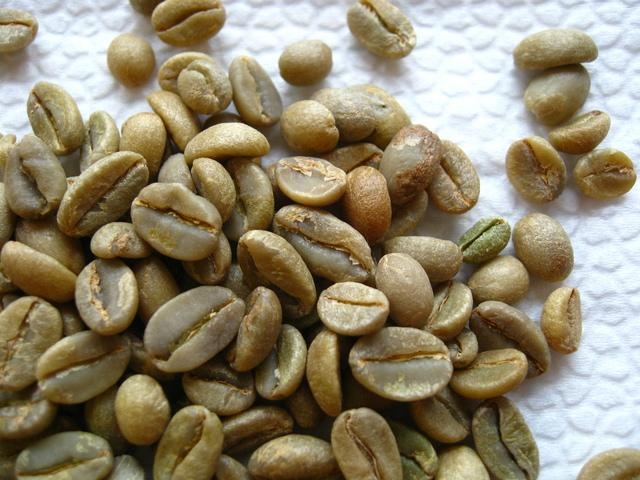
Newly roasted beans need time to off-gas before brewing. This resting period—called “” or aging—lets carbon dioxide escape and stabilizes the bean’s internal compounds for better extraction. The ideal rest time depends on many factors: roast level, bean origin, brewing method, and season. As a general guideline, single-origin beans rest for 2–5 days in winter and can be brewed the next day in summer. Espresso beans typically need 15–20 days in winter or 5–7 days in summer. Aim to use all beans within one month in summer or two in winter for optimal flavor.
How Roast Level Affects Coffee Flavor
Roast level dramatically shapes your coffee’s taste. The basic roast spectrum includes very light, light, medium, medium-dark, and dark roasts. Lighter roasts highlight acidity and origin flavors like fruit and floral notes, while darker roasts bring out bitterness, chocolate, and caramel. The same bean will taste very different across this range. Experiment with various roast profiles to discover your preferred balance of acidity, sweetness, and body.
How Coffee Processing Methods Shape Flavor
The way coffee cherries are processed into beans also affects flavor. The main traditional methods are washed (water-processed), semi-washed (honey/pulp natural), and natural (sun-dried). Washed beans tend to have clean, bright profiles. Natural-processed beans develop richer, fruitier, and more fermented flavors—but low-grade naturals can be off-putting due to defects. High-quality naturals (like those from top Ethiopian or Panamanian farms) offer wine-like or berry complexity. Hybrid methods like honey process aim to balance the two. Trying different processes helps you understand how they shape what you taste in the cup.
Finding Your Favorite Coffee Flavor Profile
In today’s specialty coffee scene, many drinkers now prefer lighter roasts that highlight a coffee’s origin characteristics—notes like citrus, berries, florals, honey, nuts, or chocolate. These subtle flavors often disappear in darker roasts, which tend to taste bitter or burnt. Whether you like bright and tangy, sweet and smooth, or bold and rich, exploring different beans and roast levels helps you find your personal flavor match.
Frequently Asked Questions
How can I tell if my coffee beans are fresh?
Smell the beans for a strong, pleasant aroma; fresh beans have a rich scent. Look for even roast color and check that the beans break easily with a crisp sound when peeled. Avoid beans with weak aroma, oily smells, or those that are hard to break, as these are signs of staleness.

What’s the best way to store coffee beans?
Use an airtight bag with a one-way valve, squeeze out air after each use, and reseal tightly. Store in a cool, dry, dark place away from heat. Don’t refrigerate, as moisture will ruin the beans. For long-term storage, freeze only high-quality beans you won’t use soon, and thaw them completely before brewing.
How long should I let freshly roasted beans rest before brewing?
Most single-origin beans need 2–5 days rest in winter or can be used the next day in summer. Espresso beans typically require 15–20 days in winter or 5–7 days in summer. Always use beans within one or two months, depending on the season, for best flavor.
Does bean size affect coffee flavor?
Yes, within the same variety, larger beans are usually higher grade with more intense flavor, while smaller beans are lower grade. However, grading isn’t strict, and about 40% of a batch may not optimally roast if you follow the median bean size’s profile.
What’s the difference between natural and washed coffee processing?
Natural (sun-dried) processing results in richer, fruitier, and more fermented flavors, while washed (water-processed) beans taste cleaner and brighter. High-quality natural beans can have wine or berry notes, but low-quality ones may taste defective. Washed beans are more consistent and cleaner on the palate.
How does roast level change coffee taste?
Lighter roasts emphasize acidity and fruity, floral, or herbal notes. Medium roasts balance acidity and body. Darker roasts bring out bitterness, chocolate, and caramel flavors. The same coffee bean will taste very different depending on how it’s roasted.
Recommended FrontStreet Coffee Beans for Beginners
Start your coffee journey with FrontStreet’s Ethiopia Humbera, a bright and juicy Ethiopian offering with notes of citrus and berry, or try their Brazil Queen Manor for a smooth, nutty espresso with hints of caramel and milk chocolate. For something more classic, the Lintong Mandheling features a rich, full-bodied profile with earthy and spicy undertones. All are expertly roasted and ready to highlight the unique traits of their origins. Freshly roasted within 5 days · Orders placed before 17:00 ship the same day · Next-day delivery across most of Guangdong Province.
FrontStreet Coffee is a long-established specialty coffee roaster in Guangzhou China, selling freshly roasted beans from its own farm in Yunnan as well as dozens of carefully selected single-origin beans from around the world for both pour-over and espresso. The products deliver consistently excellent quality and great value, with shipping within 24 hours. Guangzhou's FrontStreet Coffee shop is recommended by many coffee lovers, and the beans are now available online at the Tmall 。
Important Notice :
前街咖啡 FrontStreet Coffee has moved to new addredd:
FrontStreet Coffee Address: 315,Donghua East Road,GuangZhou
Tel:020 38364473


