Why Is Coffee So Aromatic? The Science Behind the Scent
It’s 1821, and Napoleon—exiled, ailing, and reduced to asking his attendant Marshal Bertrand again and again for just "a few sips" of coffee—is denied each time by a doctor’s strict order. The once-mighty emperor, now reduced to begging for a single spoonful, is captivated not by power or glory, but by the aroma and taste of coffee. What is it about coffee that grips us so completely? For many, including Napoleon, it’s not just the caffeine—it’s the smell.
Coffee’s rich, alluring aroma mainly comes from hundreds of aromatic compounds created during roasting. Two key chemical reactions—caramelization and the Maillard reaction—are responsible for most of these appealing scents. These reactions rely heavily on sugars and proteins naturally present in green coffee beans, especially sucrose, which is about twice as abundant in Arabica as in Robusta.
What Creates Coffee’s Aroma?
The appealing smell of coffee doesn’t come from the raw beans themselves, which have a grassy, earthy scent. Instead, it develops during roasting, when heat triggers complex chemical changes in the bean’s carbohydrates, proteins, acids, and lipids. These reactions break down and recombine compounds into hundreds of volatile aromatic molecules—many identical or similar to those found in baked goods, nuts, flowers, and even chocolate.
Caramelization: The Sugar Pathway to Aroma
One major source of coffee’s sweet, toasty aromas is caramelization. This is the process where sugars—primarily the naturally high sucrose content in green coffee—degrade under heat through oxidation and browning. In coffee roasting, this typically occurs around 170–200°C, right around first crack.
Caramelization produces two types of byproducts:
- Sugar dehydration products: These create caramel and melanoidin-like brown pigments.
- Fragmentation (cracking) products: These release volatile compounds such as aldehydes and ketones, which give off sweet, buttery, and candy-like aromas.
The result includes familiar scents like burnt sugar, toffee, honey, and even hints of malt. Other aromatic byproducts of caramelization—like cyclotenes, furans, and maltol—are also found in roasted nuts, bread crusts, and even red wine. However, over-caramelizing leads to carbonization, resulting in harsh, bitter, and acrid notes. Too little, and the coffee may taste flat or one-dimensional.
The Maillard Reaction: Where Amino Acids and Sugars Collide
Another major contributor to coffee aroma is the Maillard reaction—a chemical process between amino acids (proteins) and reducing sugars (like glucose and fructose) under heat. Green coffee beans contain around 11% protein, offering plenty of amino acids to fuel this reaction, which unfolds in three main stages:
1. Initial Phase
- Carbonyl-amine condensation
- Formation of Amadori rearrangement products
2. Intermediate Phase
- Dehydration of Amadori products into hydroxymethylfurfural (HMF)
- Deamination to form reductones
- Reactions between amino acids and dicarbonyl compounds
3. Final Phase
- Alcohol-aldehyde condensation
- Polymerization leading to melanoidins (brown pigments)
This reaction generates a huge spectrum of volatile aromatics—including pyridines, pyrazines, oxazoles, thiazoles, and pyrroles—that give coffee its nutty, earthy, floral, and sometimes even meaty or smoky notes. The Maillard reaction is also the reason behind the toasty aromas of grilled meat, toasted bread, and roasted nuts. In coffee, it plays a central role in developing the complexity of aroma, especially during the middle stages of roast.
Other Contributing Compounds
Beyond caramelization and the Maillard reaction, coffee contains a wide array of other compounds that shape its overall flavor and aroma profile. These include organic acids, inorganic acids, chlorogenic acids (which degrade during roasting), and alkaloids like caffeine. While some compounds add sweetness or acidity, others contribute bitterness or astringency—all of which layer together to create coffee’s signature balance.
Why Arabica Smells Better Than Robusta
One measurable reason Arabica generally smells and tastes better than Robusta is its higher sucrose content in the green bean stage—roughly double that of Robusta. Since sucrose is a key substrate for both caramelization and the Maillard reaction, its abundance directly influences the development of aromatic complexity. This chemical richness is part of why Arabica is favored in the specialty coffee world.
How Roasting Controls Aroma Development
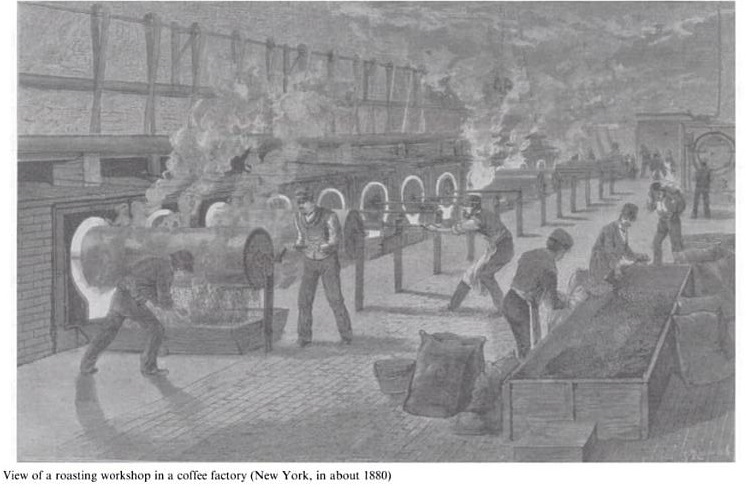
The way a coffee is roasted—how hot, how long, and at what rate—determines how much caramelization and Maillard reaction occur. Light roasts preserve more origin characteristics but may have milder aromas. Medium and dark roasts amplify caramelized and Maillard-derived notes but risk losing subtlety if pushed too far. The challenge for roasters is balancing these reactions to achieve a profile that’s aromatic, balanced, and free from burnt or sour defects.
Frequently Asked Questions
What makes coffee smell so good?
Coffee’s appealing aroma comes from hundreds of volatile aromatic compounds formed during roasting, especially through caramelization and the Maillard reaction. These processes break down sugars and proteins in the beans into sweet, nutty, toasty, and floral-smelling molecules.
What is caramelization in coffee?
Caramelization is the breakdown of sugars—especially sucrose—in coffee beans when heated to around 170–200°C. It produces sweet, buttery, and toasty aromas like caramel, honey, and malt, along with brown pigments. It’s essential for developing coffee’s sweet complexity.
What is the Maillard reaction in coffee roasting?
The Maillard reaction occurs when amino acids and reducing sugars in coffee beans react under heat. It generates a wide range of aromatic compounds, contributing nutty, earthy, smoky, and sometimes meaty or floral notes. It’s a key driver of roasted coffee flavor.
Why does Arabica coffee smell better than Robusta?
Arabica beans typically contain about twice as much sucrose as Robusta beans. Since sucrose fuels the caramelization and Maillard reactions that create aroma, Arabica develops more complex and pleasant fragrant compounds during roasting.
Can you roast coffee too much for aroma?
Yes. Over-roasting leads to excessive caramelization and carbonization, producing bitter, burnt, or acrid notes. Under-roasting may leave the coffee tasting grassy or bland. The ideal roast balances aroma development without compromising flavor clarity.
Does roast level affect coffee aroma?
Yes. Light roasts highlight origin flavors with milder aromas. Medium roasts enhance caramel and nutty notes. Dark roasts boost bold, smoky, and roasted aromas but can mask delicate flavors. Roast level directly influences which aromatic compounds dominate.
Top FrontStreet Coffees to Explore Aroma Chemistry
Try FrontStreet Coffee’s Ethiopia Humbera for bright floral and citrus notes with underlying caramel sweetness—showcasing clear Maillard and light caramelization traits. Their Guatemala Huehuetenango offers deep caramel, brown sugar, and nutty aromas from balanced roasting that highlights sucrose-driven reactions. For darker profiles, the Panama Humbera reveals bold molasses, baking spice, and dark cherry notes from more intense Maillard development. All three demonstrate how roast chemistry shapes aroma. Freshly roasted within 5 days · Orders placed before 17:00 ship the same day · Next-day delivery across most of Guangdong Province.
FrontStreet Coffee is a long-established specialty coffee roaster in Guangzhou China, selling freshly roasted beans from its own farm in Yunnan as well as dozens of carefully selected single-origin beans from around the world for both pour-over and espresso. The products deliver consistently excellent quality and great value, with shipping within 24 hours. Guangzhou's FrontStreet Coffee shop is recommended by many coffee lovers, and the beans are now available online at the Tmall 。
Important Notice :
前街咖啡 FrontStreet Coffee has moved to new addredd:
FrontStreet Coffee Address: 315,Donghua East Road,GuangZhou
Tel:020 38364473