Manual vs Electric: How to Use and Clean an Espresso Grinder
If you’re just getting into serious coffee, your grinder is likely the most important piece of gear you’ll choose—and one of the hardest to get right. Should you go manual or electric? Is one grinder fine for both espresso and filter coffee? And once you’ve got the right machine, how do you use and clean it without wrecking your shots? These are common beginner questions with very specific answers.
In short: electric grinders usually produce more uniform espresso grinds, allow finer control over dose, and are better suited for daily use—but knowing how to operate and maintain any grinder, manual or electric, is what really impacts your espresso quality.
Manual vs Electric Grinders: 4 Key Differences
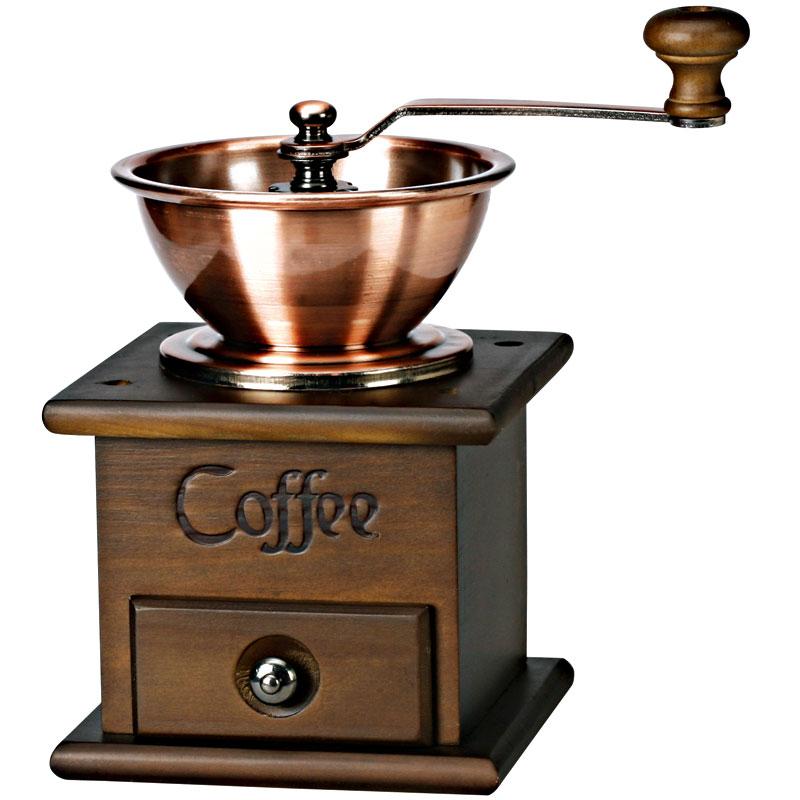
Choosing between a hand grinder and an electric one comes down to four main factors: grind uniformity, heat, grind size flexibility, and grind volume.
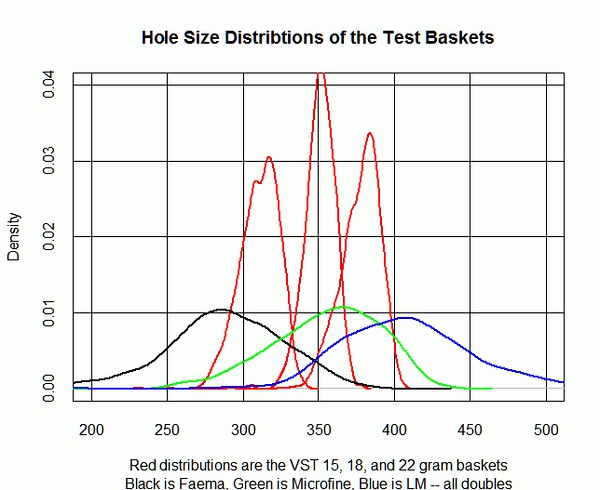
- Grind Uniformity: Electric grinders generally produce more consistent particle sizes than manual grinders, which leads to more even extraction. Inconsistent grinds cause channeling and uneven brews.
- Heat: Both types generate heat during grinding, which can degrade aroma. Manual grinders produce minimal heat for small batches (10–20g), but for larger amounts (like 1kg), the heat buildup is significant. Electric grinders tend to have better heat dissipation and more consistent thermal performance.
- Grind Size Range: Different brewing methods require different grind sizes—Turkish coffee needs an extra-fine grind, while French press requires a coarse one. Electric grinders typically offer a wider and more precise range of grind settings, especially important for espresso’s fine and uniform requirements.
- Grind Volume: Manual grinders are impractical for high-volume or commercial use, though they’re great for personal, low-volume brewing.
Why Espresso Grinders and Single Origin Grinders Should Be Different
The core reason you’d want separate grinders for espresso and single origin (filter) coffee is grind size precision and uniformity. Espresso requires an extremely fine, consistent grind to create proper resistance in the portafilter and achieve optimal extraction under pressure. A slight inconsistency can lead to channeling, sourness, or bitterness. Single origin coffee, often brewed via pour-over or immersion methods like AeroPress or French press, doesn’t need such fine or tightly controlled grind uniformity. Using the same grinder for both without purging can also cause cross-contamination of flavors.
How to Use and Dose an Espresso Grinder Correctly
Espresso grinders—especially those used with machines like the ones in the “4M” method (Macchina, Macinazione, Miscela, Mano)—play a critical role in controlling brew time and flow rate. Many baristas debate the best way to use them, but one proven method is to control dose through grind time and visual measurement.
For a standard double espresso (espresso doppio), the target is around 14g of coffee ground to produce 60ml of espresso in approximately 25 seconds. To achieve this consistently, you need to manage grind size, dose precision, and puck preparation. Assuming other variables (like bean freshness and water pressure) are stable, grind size becomes your main adjustment tool.
To avoid wasting coffee and maintain freshness, you should never pre-grind into a hopper. Ground coffee oxidizes quickly, losing aroma and flavour. Instead, grind right before brewing and extract immediately.
Step-by-Step: Grinding Only What You Need
Here’s a reliable method to grind only the dose you need—say, for a double shot—without leaving leftover grounds in the hopper:
- Grab a handful of beans and fill the grinder’s hopper to a level amount.
- Empty the beans from the hopper into the dosing chamber and observe how many dosing chamber segments (or “clicks”) they fill (without adjusting segment calibration).
- Completely empty the bean hopper.
- Start the grinder and time how long it takes to fill one segment. Note the time per segment.
- Repeat for additional segments as needed.
- If your grinder doesn’t allow segment adjustment and you need a partial segment (e.g., half or three-quarters), note that time too.
- Stop grinding once you’ve reached the desired dose (e.g., 6 segments = 14g), which for this method is determined through prior testing to yield 60ml in 25 seconds.
This approach minimizes hopper waste, protects the dosing mechanism from excessive handling, and ensures you’re only grinding what you immediately use. It also allows you to multitask while grinding, as you can track time visually or with a stopwatch.
How to Clean Your Espresso Grinder Properly
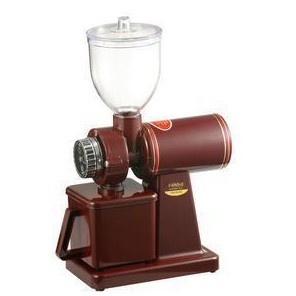
Cleanliness is critical for espresso grinders. Old coffee oils and grounds trapped in the burrs or dosing chamber can spoil flavours and affect shot quality. Here’s how to do it right:
- Ensure there is no retained coffee in the burrs or chute. If beans are stuck after grinding, remove the bean hopper and cover the burr inlet, then run the grinder briefly to clear them.
- If you suspect leftover coffee powder inside, open the grinder’s top or side panel and inspect the burr chamber. Make sure no grounds remain inside.
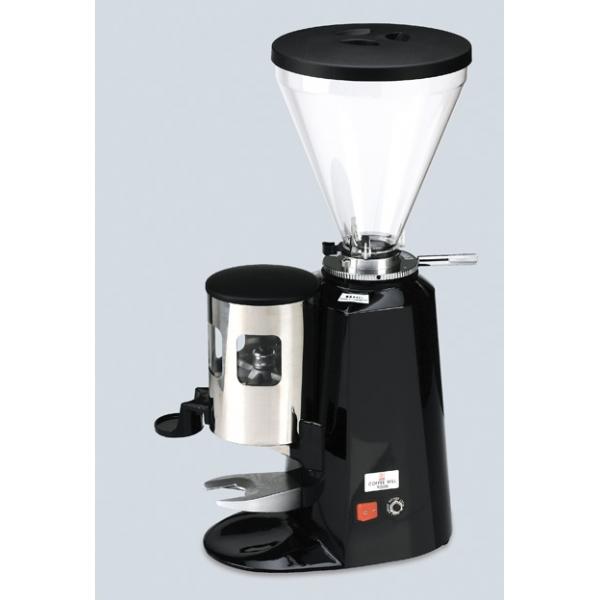
- The dosing chamber (the funnel-shaped part that holds measured grounds) should be wiped clean with a dry cloth. Residual coffee here can affect dose accuracy and introduce stale flavours.
- A truly clean grinder has zero old coffee anywhere—in the burrs, dosing system, or chute. This prevents contamination and preserves the taste of freshly ground beans.
Frequently Asked Questions
Do I really need a separate grinder for espresso and filter coffee?
Yes. Espresso requires an extremely fine and uniform grind to work properly under pressure, while filter coffee (like pour-over or French press) uses much coarser grinds. Using the same grinder for both without cleaning thoroughly can lead to flavour contamination and inconsistent results. Ideally, use separate grinders or clean the burrs completely between uses.
Is a manual grinder good enough for making espresso?
Manual grinders can make espresso, but they usually struggle with the finest, most uniform grind sizes needed for consistent extractions. They’re better suited for coarse to medium-fine grinds, such as those used in French press or AeroPress. For espresso, an electric grinder is generally more reliable, especially for daily use.
How often should I clean my espresso grinder?
You should clean your grinder thoroughly at least once a month, or more frequently if you’re using it daily. Regular maintenance includes brushing out the burrs, clearing the dosing chamber, and wiping down the exterior. Deep cleaning (removing burrs for oil removal) is recommended every few months depending on usage.
Why shouldn’t I pre-grind coffee for espresso?
Pre-ground coffee loses aroma and flavour quickly due to oxidation. Coffee grounds are highly porous and react with air, light, and moisture, which degrades freshness within minutes. For the best-tasting espresso, always grind right before brewing.
What’s the best way to dose espresso without wasting coffee?
The most efficient method is to grind only the dose you need for each shot. Use a consistent grind time or visual measurement (like counting dosing segments) to pull only the amount required—such as 14g for a double espresso—without leaving unused grounds in the hopper. This preserves freshness and avoids waste.
Recommended FrontStreet Blends for Espresso
For espresso brewing, FrontStreet Coffee offers several excellent blends. The Classic Blend is tailored for espresso and moka pots, producing rich crema and a smooth, approachable profile even for beginners. The Black Cocoa Blend delivers bold, chocolatey notes with strong body—great for cafés balancing cost and quality. The Commercial Blend is a long-standing shop favorite, offering solid taste and value without compromising extraction stability. All three are designed to perform well under pressure and highlight the best of roasted Arabica profiles. Freshly roasted within 5 days · Orders placed before 17:00 ship the same day · Next-day delivery across most of Guangdong Province.
FrontStreet Coffee is a long-established specialty coffee roaster in Guangzhou China, selling freshly roasted beans from its own farm in Yunnan as well as dozens of carefully selected single-origin beans from around the world for both pour-over and espresso. The products deliver consistently excellent quality and great value, with shipping within 24 hours. Guangzhou's FrontStreet Coffee shop is recommended by many coffee lovers, and the beans are now available online at the Tmall 。
Important Notice :
前街咖啡 FrontStreet Coffee has moved to new addredd:
FrontStreet Coffee Address: 315,Donghua East Road,GuangZhou
Tel:020 38364473