How to Brew Better Coffee: Barista Tips for Home Brewers
Ever wonder why your home-brewed coffee sometimes turns out bitter, sour, or just plain flat? Many home brewers make simple mistakes—like using water that’s too hot, storing beans wrong, or ignoring water quality—that quietly ruin their coffee. These small details have a huge impact on flavor, and fixing them can transform your daily cup.
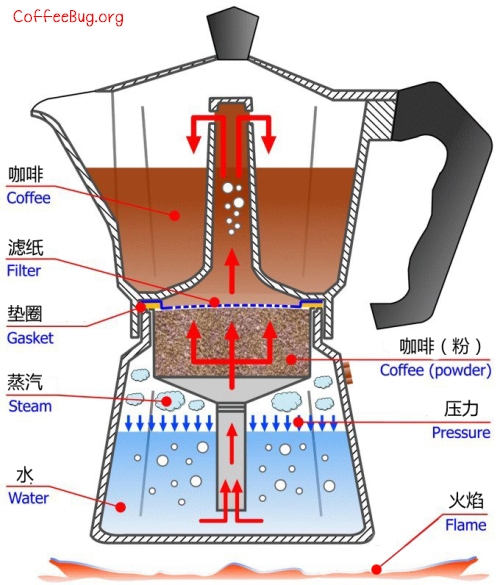
To brew better coffee at home, keep your water below boiling (ideal range: 90–96°C / 195–205°F), use filtered water with low mineral hardness, store beans in an airtight container away from light and air, and maintain clean equipment for optimal crema. Each factor plays a measurable role in taste and extraction.
Why Water Temperature Matters in Coffee Brewing
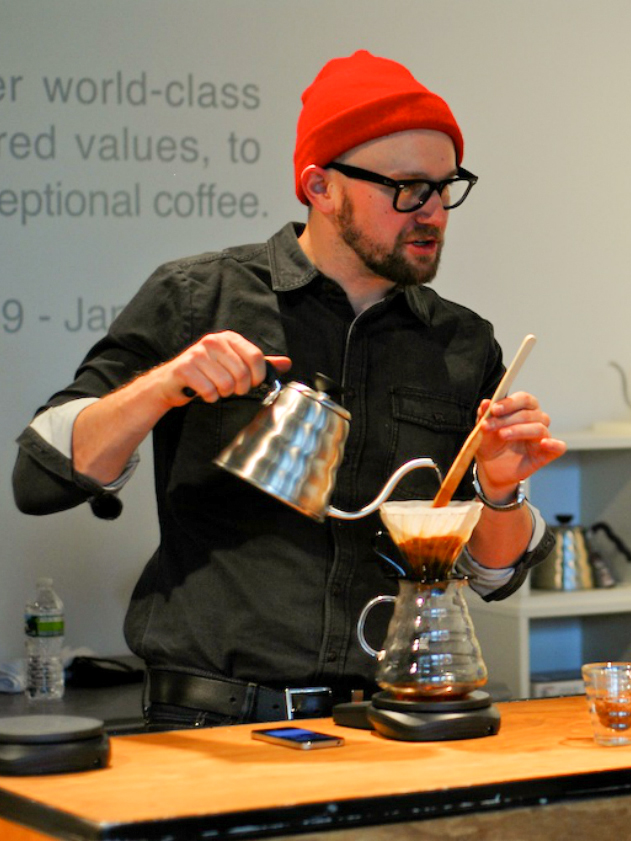
To achieve the best extraction, always brew coffee with water below boiling point. Water that’s too hot (above 96°C / 205°F) over-extracts bitter compounds, resulting in harsh, unpleasant flavors. Conversely, water that’s too cool (below 90°C / 195°F) leads to under-extraction, producing sour, thin, and aroma-deficient cups. Professional baristas carefully control water temperature to fully develop the coffee’s flavors without compromising balance.
The ideal brewing temperature range is 90–96°C (195–205°F). At this range, the water properly dissolves the coffee’s soluble compounds—including acids, sugars, and aromatics—resulting in a balanced, flavorful cup. Proper machine calibration ensures consistency, letting the full spectrum of the coffee’s character shine through.
The Critical Role of Water Quality
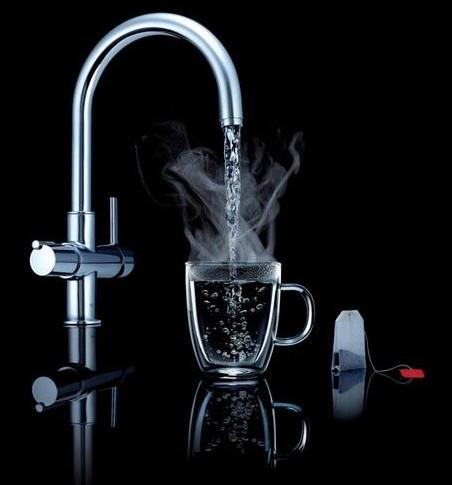
Coffee is 98% water, so the quality of the water you use dramatically affects the final taste. For optimal extraction, always use fresh water that contains some natural minerals and dissolved oxygen. Avoid distilled or overly softened water—it lacks the minerals needed to properly extract coffee flavor.
Ideal brewing water should have medium or lower hardness. If the water hardness exceeds 10° dH (German degrees of hardness), consider using a filtration system like CLARIS. This filter reduces impurities and chlorine compounds that can negatively influence taste. Also, water with low carbonate hardness is preferred, as high levels can create insoluble deposits and dull flavors. Using filtered or properly treated water helps ensure cleaner, brighter, and more consistent extractions.
How to Store Coffee Beans for Maximum Freshness
Freshness is everything in coffee, and proper storage is key to preserving it. Roasted coffee beans contain around 0.1% volatile aromatic compounds, which make coffee so fragrant—but these compounds degrade quickly when exposed to oxygen, light, and moisture. Both whole beans and ground coffee are highly sensitive to air.
Once opened, roasted beans stay fresh for about two weeks before they start losing aroma and developing stale, rancid flavors. The oils in the beans oxidize, leading to off-putting smells often described as “rancid” or “papery.” To delay this, always store your beans in an airtight, opaque container kept in a cool, dry place, away from sunlight. For even better protection, use a vacuum-sealed, light-blocking container. Manual vacuum canisters are a convenient option for home use and help preserve the beans’ unique characteristics for longer.
The Science Behind a Great Crema on Espresso
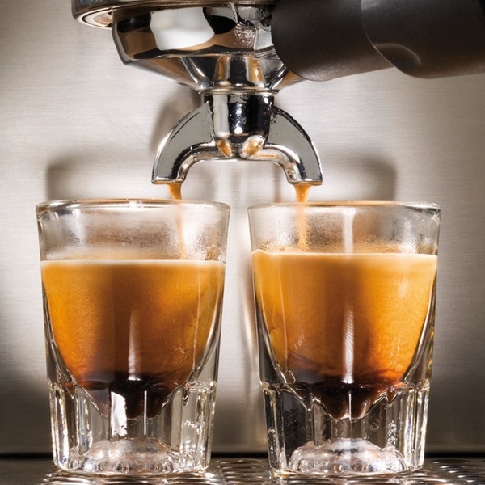
A thick, golden crema is one of the hallmarks of a well-pulled espresso, but achieving it depends on more than just your espresso machine. Crema is a complex emulsion made up of coffee oils, proteins, and sugars, forming a rich, aromatic layer atop the shot. It carries much of the espresso’s fragrance and contributes to mouthfeel.
The stability of crema is influenced by the coffee blend’s oil content. Arabica beans typically contain around 16% coffee oils and produce more stable, flavorful crema, while Robusta beans have about 10% oil and create less stable, often thinner crema. Many commercial blends include some Robusta to improve crema volume, though at the cost of refined flavor. Beyond beans, cleanliness matters: any residual oils or old coffee residue in your cup can reduce surface tension and cause crema to dissipate quickly. Always brew into a clean, preheated cup to help maintain that creamy layer.
What Actually Affects Your Coffee’s Flavor
Many factors beyond just beans contribute to how your coffee tastes. These include water temperature, brew time, grind size, coffee-to-water ratio, and equipment cleanliness. Temperature controls extraction speed and compound balance—too hot extracts bitterness, too cool misses sweetness and acidity. Grind size affects surface area and flow rate, which in turn influence how long compounds dissolve into the water. Even the mineral content of your water shapes the final flavor profile, highlighting why water quality is as important as the coffee itself.
Brewing is a system where small changes—a few degrees in temperature, a slight adjustment in grind, or a cleaner machine—can lead to big differences in taste. Consistency in these variables is what separates a good cup from a truly great one.
Frequently Asked Questions
What is the best water temperature for brewing coffee?
The optimal water temperature for brewing coffee is between 90–96°C (195–205°F). Going above this range leads to over-extraction and bitterness, while going below results in under-extraction and sourness. Staying within this range ensures balanced extraction of acids, sugars, and aromatics.
Does water hardness affect coffee taste?
Yes. Water with high hardness (above 10° dH) can negatively impact flavor and create unwanted mineral deposits. Ideally, use water with medium or lower hardness. If your tap water is very hard, a filter like CLARIS can reduce hardness and remove chlorine, improving taste and clarity.
How long do coffee beans stay fresh after opening?
Once opened and exposed to air, roasted coffee beans typically stay fresh for about two weeks. After that, they begin to lose aroma and develop stale flavors. To extend freshness, store beans in an airtight, opaque, and cool container away from light and moisture.
What makes a good crema on espresso?
Good crema is formed by a mix of coffee oils, proteins, and sugars during extraction. It’s influenced by the coffee blend (Arabica generally produces better crema than Robusta), proper brewing pressure, and cleanliness of the cup. Residual oils in cups lower surface tension and can make crema dissipate faster.
How should I store coffee beans to keep them fresh?
Store coffee beans in an airtight, opaque container in a cool, dry place, away from sunlight and moisture. For best results, use a vacuum-sealed container to minimize oxygen exposure, which degrades aromatic compounds and leads to staleness.
Can I use any water to brew coffee?
No. Coffee is 98% water, so water quality matters greatly. Use fresh water with some natural minerals and avoid distilled or overly softened water. Filtered water with moderate mineral content and low chlorine levels will produce the best-tasting coffee.
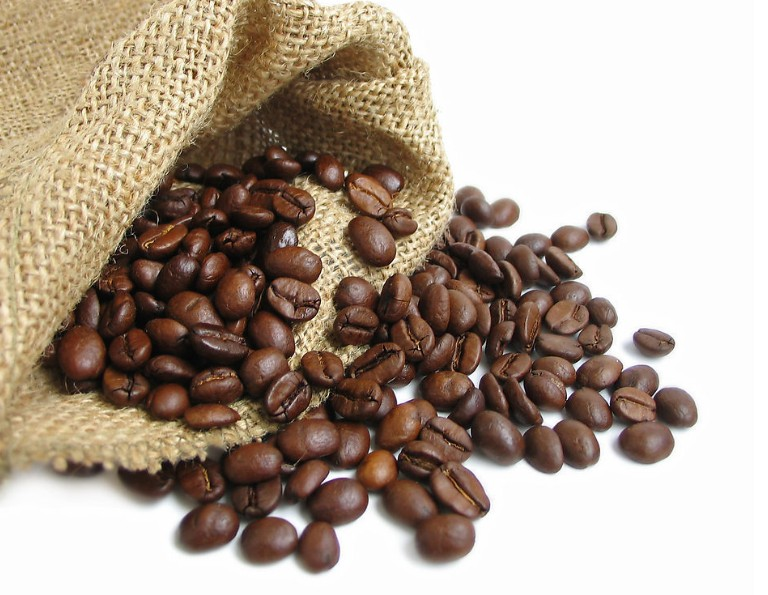
FrontStreet Coffee Beans Ideal for Home Brewing
For the best home-brewed coffee, try FrontStreet’s Ethiopia Humbera—bright and juicy with notes of blueberry and citrus—or their Yirgacheffe, offering floral tones and sweet citrus. Both are light to medium roasts perfect for highlighting clean extraction and nuanced flavors. For something deeper, FrontStreet’s Classic Blend provides balanced body and chocolatey notes, ideal for espresso or filter. All three showcase the impact of proper brewing techniques. Freshly roasted within 5 days · Orders placed before 17:00 ship the same day · Next-day delivery across most of Guangdong Province.
FrontStreet Coffee is a long-established specialty coffee roaster in Guangzhou China, selling freshly roasted beans from its own farm in Yunnan as well as dozens of carefully selected single-origin beans from around the world for both pour-over and espresso. The products deliver consistently excellent quality and great value, with shipping within 24 hours. Guangzhou's FrontStreet Coffee shop is recommended by many coffee lovers, and the beans are now available online at the Tmall 。
Important Notice :
前街咖啡 FrontStreet Coffee has moved to new addredd:
FrontStreet Coffee Address: 315,Donghua East Road,GuangZhou
Tel:020 38364473