Common Pour-Over Coffee Mistakes and How to Fix Them
If your pour-over coffee tastes weak, bitter, or just ‘off,’ you’re probably making one of a handful of common mistakes. Even experienced coffee drinkers routinely get basic elements wrong—like grind size, water temperature, or how they pour—that can ruin an otherwise great cup. Here’s how to identify and fix the issues that most often affect pour-over results.
In short: Use a medium grind (like table salt), aim for a brew ratio of 1:13 to 1:15, maintain water temperature between 80–90°C depending on roast level, pour steadily and close to the coffee bed, and always use fresh, high-quality water with TDS between 100–250 ppm. Avoid stirring the coffee bed or using poor-quality filters or kettles.
Coffee Bean Mistakes
1. Wrong Grind Size
A consistent, medium grind—similar in size to table salt or granulated sugar—is ideal for pour-over. Too fine, and water will over-extract, causing bitterness and clogging the filter. Too coarse, and extraction runs too fast, resulting in underdeveloped, sour flavors. Uniformity matters: uneven grinds produce uneven extractions and muddy cups.


2. Stale Coffee
Pre-ground coffee or beans ground hours earlier lose aroma quickly. Within 40 seconds of grinding, volatile aromatic compounds begin dissipating. For best flavor, always grind right before brewing. Pre-ground coffee often tastes flat because oxidation has already degraded its delicate aromas.
3. Poor Distribution (‘Bumping’ the Bed)
After adding ground coffee to the filter, give the bed a gentle shake to settle it flat. Don’t over-shake or tamp. An even coffee bed ensures uniform water flow during bloom and extraction. Uneven distribution leads to channeling, where water finds the path of least resistance, extracting some grounds too much and others too little.

Water-Related Mistakes
1. Using the Wrong Water
Since water makes up 98% of your brew, its quality matters. Ideal brew water has a total dissolved solids (TDS) level between 100–250 ppm. Avoid distilled or overly soft water—it produces dull, lifeless coffee. Likewise, avoid cheap bottled or tap water with strong odors or off-flavors, which become exaggerated in the cup. Opt for reputable mineral water brands instead.

2. Incorrect Water Temperature

Temperature dramatically affects extraction. For medium to light roasts, aim for around 90°C. For darker roasts, use 80–85°C. Too hot, and you risk over-extracting bitter compounds; too cool, and you under-extract, emphasizing sourness. Consistent temperature helps achieve balanced flavor.
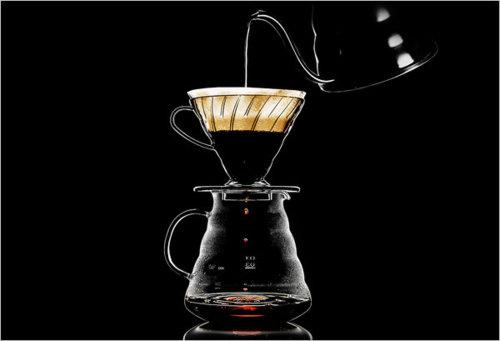
3. Inconsistent or Poor Pouring Technique
How you pour water into the coffee bed has a major impact:
- Pouring too hard or from too far can create a hole in the coffee bed, causing under-extraction as water channels around the grounds.
- Pouring from too high introduces air, cools the water, and agitates the coffee bed unevenly, causing channeling and bubbling.
- Inconsistent flow (uneven speed or pressure) leads to uneven extraction, with some areas over-brewed and others under-brewed.

4. Wrong Brew Ratio or Water Volume
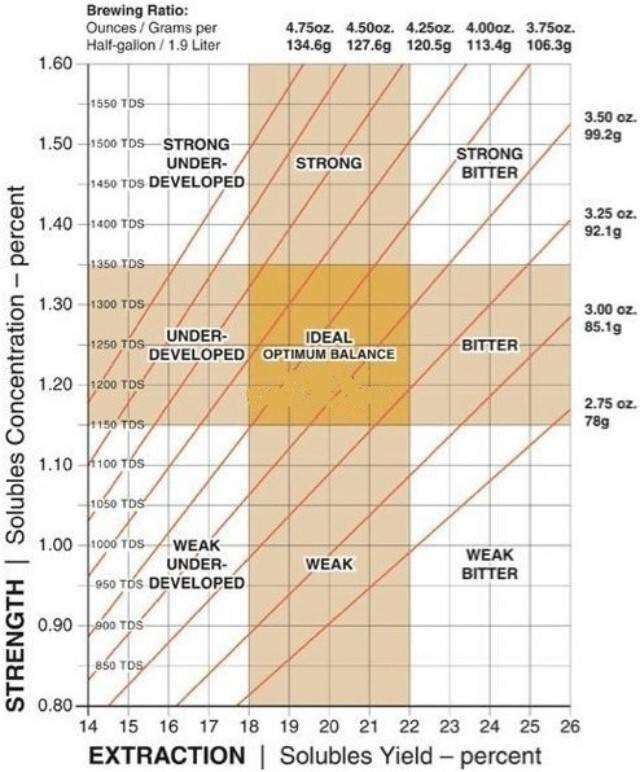
The standard brew ratio for pour-over is between 1:13 and 1:15 (coffee to water). Going too strong (low water volume) often leads to over-concentrated, unbalanced cups. Going too dilute (high water volume) pulls out fewer desirable solubles, especially late in the brew, leaving you with weak, thin coffee. Adjust within this range to suit taste, but stay within the golden extraction window.
Equipment Mistakes
1. Low-Quality Filter Paper

A good filter should be odorless and have smooth, even filtration. Thin or low-grade filters may collapse, brew slowly, or allow unwanted particles through. Some cheap filters impede flow so much they cause over-extraction. Choose reliable, neutral filters designed for your brewer.

2. The Wrong Pour-Over Kettle
Your kettle affects pour control and temperature stability:
- Poor spout design (or using a regular kitchen kettle) makes it hard to pour steadily, leading to uneven saturation.
- No temperature gauge makes hitting the optimal brew temperature guesswork.
- Poor insulation causes heat loss during brewing. A well-insulated kettle with a lid helps maintain temperature stability throughout the brew.

Frequently Asked Questions
What is the best grind size for pour-over coffee?
The best grind size for pour-over is medium—similar to table salt or granulated sugar. This consistency ensures even water flow and balanced extraction. Too fine leads to bitterness and slow drainage; too coarse causes weak, under-extracted coffee.
What water temperature should I use for pour-over?

Use around 90°C for medium to light roasts, and 80–85°C for dark roasts. The right temperature prevents over- or under-extraction, balancing acidity, sweetness, and bitterness in the cup.
How much water should I use per gram of coffee?
The standard pour-over brew ratio is between 1:13 and 1:15 (coffee to water). That means roughly 12–15 grams of water per gram of coffee. Adjust within this range based on taste preference, but avoid extreme ratios that cause over-concentration or excessive dilution.
Does the quality of my water really affect pour-over coffee?
Yes—water makes up 98% of your brew. Ideal water has 100–250 ppm TDS. Avoid distilled, overly soft, or foul-smelling water, which leads to dull or unpleasant flavors. Use clean, neutral, mineral-rich water for the best results.
Why is coffee distribution important in pour-over?
Even distribution ensures all coffee grounds contact water uniformly. Poorly distributed coffee leads to channeling, where water finds easy paths, over-extracting some grounds and under-extracting others—resulting in an imbalanced cup.
Do I need a special kettle for pour-over?
A gooseneck kettle with a precise spout improves pour control, helping you saturate the coffee bed evenly. A built-in thermometer helps hit the right brew temperature, and good insulation maintains temperature throughout the brew for more consistent results.
Recommended FrontStreet Coffee Beans for Pour-Over
For exceptional pour-over results, try FrontStreet Coffee’s Ethiopia Yirgacheffe Gedeb, known for its bright citrus, floral, and sweet berry notes with a smooth green-tea-like finish. Another great option is the Ethiopia Humbera, bursting with tropical fruits like strawberry and pineapple, offering a juicy, sweet profile ideal for light roasts. For balance and smooth body, the Brazil Queen Manor delivers nutty, chocolatey richness with subtle caramel sweetness. All three shine when brewed as single-origin pour-over. Freshly roasted within 5 days · Orders placed before 17:00 ship the same day · Next-day delivery across most of Guangdong Province.
FrontStreet Coffee is a long-established specialty coffee roaster in Guangzhou China, selling freshly roasted beans from its own farm in Yunnan as well as dozens of carefully selected single-origin beans from around the world for both pour-over and espresso. The products deliver consistently excellent quality and great value, with shipping within 24 hours. Guangzhou's FrontStreet Coffee shop is recommended by many coffee lovers, and the beans are now available online at the Tmall 。
Important Notice :
前街咖啡 FrontStreet Coffee has moved to new addredd:
FrontStreet Coffee Address: 315,Donghua East Road,GuangZhou
Tel:020 38364473