Understanding Coffee Grind Sizes and Their Classification
Ever wonder why your pour-over tastes weak or your espresso is bitter no matter what you do? A lot of it comes down to one overlooked factor: grind size. Whether you're using a French press, espresso machine, or V60, the size of your coffee grounds plays a crucial role in how your coffee tastes. But with all the terms—fine, medium, coarse—it’s easy to get lost. Here’s everything you need to know, straight from the cup to the grinder.
In short: grind coffee right before brewing to preserve freshness. Match your grind size to your brew method—espresso needs a fine, powder-like grind (like flour), pour-over works best with a medium-coarse grind (like coarse sand), and French press requires a coarse grind (like sea salt or raw sugar).
Why Freshly Ground Coffee Matters
Coffee grinds start losing aroma and flavour the moment they’re exposed to air. Pre-ground coffee sits around, oxidizes, and often picks up strange odours if not stored properly. That’s why serious coffee drinkers grind just before brewing. Whole beans stay fresh significantly longer—if kept sealed and cool.
If you buy pre-ground coffee, store it in an airtight container in the fridge (not the freezer), and keep it away from strong-smelling foods like garlic or fish. And yes, used coffee grounds can actually help deodorize your fridge—but only if you don’t mind a coffee-scented icebox.
How Grind Size Affects Your Brew
Different brew methods extract flavour differently. Short brew times (like espresso) need a fine grind so water can pull out enough flavour quickly. Longer brews (like French press or cold brew) need a coarse grind to avoid over-extracting and making the coffee bitter or unpleasantly strong.
Here’s a general guide:
- Espresso: Very fine—like powdered sugar or flour. Extraction time: ~25–30 seconds.
- Pour Over (e.g., V60, Kalita Wave): Medium—similar to coarse sand or table salt. Extraction time: ~2–4 minutes.
- French Press: Coarse—like raw sugar or sea salt. Extraction time: ~4 minutes.
- Cold Brew: Extra coarse—like chunks of coarse sugar. Extraction time: 12–24 hours.
Remember: finer grinds increase surface area and extraction speed; coarser grinds slow it down. If your coffee tastes too bitter, try a coarser grind. If it’s weak or sour, go finer—but always within the range that matches your brewer.
Types of Grind Size Categories
Coffee grind sizes fall into three main categories, though some methods use even finer or coarser variations:
- Coarse Grind (Regular Grind): Like coarse raw sugar or large grains. Used for French press and cold brew.
- Medium Grind (Middle Grind): Like a mix of granulated and coarse sugar. Good for drip coffee makers and siphon brewers.
- Fine Grind (Small Grind): Like table sugar or soft sand. Ideal for espresso and Moka pot.
There are also in-between sizes such as medium-fine (for AeroPress or cone drippers) and extra-fine (used in Turkish coffee, despite long brew times).
The Tools: Types of Coffee Grinders
Not all grinders are created equal. The tool you use impacts not only grind size but also consistency—which affects flavour dramatically.
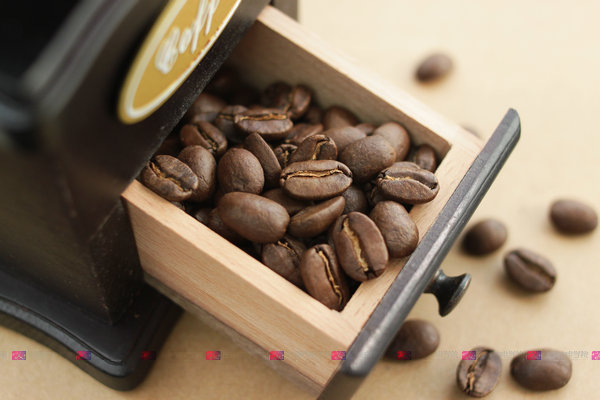
- Manual Hand-Crank Grinder: Best for small batches and slow brewing sessions. Low heat, affordable, but labor-intensive.
- Electric Home Grinder: Convenient for daily use, can produce a range of grind sizes. Great balance of ease and quality.
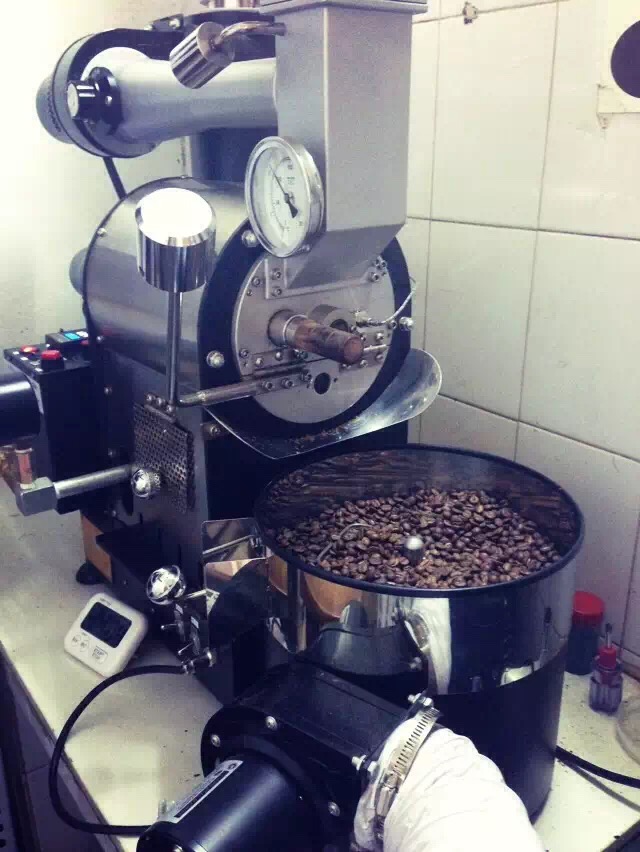
- Professional Commercial Grinder: Built for high volume and precision. Found in cafés; handles large quantities with consistent results.
For most home users, an electric grinder with adjustable settings offers the best mix of control, convenience, and grind quality.
Avoiding Common Grinding Mistakes
Grinding isn’t just about twist-and-brew. Here’s what to watch out for:
- Don’t grind too early: Always grind right before brewing to prevent oxidation and flavour loss.
- Watch the heat: Grinding generates friction, which can warm up the beans and release aromas prematurely. Don’t grind too long or too fast.
- Grind uniformly: Inconsistent grind sizes lead to uneven extraction—some grounds over-extracted, others under-. That’s why burr grinders are better than blade grinders.
- Clean your grinder: Coffee oils build up over time and create rancid flavours. Clean your grinder regularly with a brush, and occasionally with rice or a sugar scrub. Avoid cross-contamination by not grinding flavoured coffee in the same machine as specialty beans.
If you brew flavoured coffee (like vanilla or cinnamon-infused), the strong aromatics can linger and ruin future batches. Some suggest running a couple of spoonfuls of white sugar through the grinder to help clean it—but nothing beats a dedicated grinder for specialty coffee.
Frequently Asked Questions
What is the best grind size for espresso?
The best grind size for espresso is very fine—about the consistency of powdered sugar or flour. This allows for optimal extraction under pressure in around 25–30 seconds. Too coarse, and the shot will run too fast and taste weak; too fine, and it will over-extract and become bitter.
How fine should my grind be for pour over coffee?
For pour over methods like V60 or Chemex, use a medium grind size—similar to coarse sand or table salt. This allows for a balanced extraction over 2–4 minutes, highlighting clarity and complexity without over- or under-extracting.
Can I use pre-ground coffee, and how should I store it?
Yes, you can use pre-ground coffee, but it’s less fresh and more prone to oxidation. Store it in an airtight container in the fridge (not freezer) and away from strong odours. For best flavour, always grind coffee just before brewing.
Does grind size affect coffee strength?
Yes. Finer grinds increase the surface area exposed to water, extracting more solids and often resulting in a stronger, richer, and sometimes more bitter cup. Coarser grinds reduce extraction, leading to a lighter, more acidic, or weaker brew. Adjust grind within your brewer’s ideal range to tweak strength.
What’s the difference between a burr grinder and a blade grinder?
Burr grinders crush beans between two abrasive surfaces, producing uniform particle sizes—essential for even extraction. Blade grinders chop beans inconsistently, creating a mix of fine and coarse particles that lead to uneven brewing and off-flavours.
How do I clean my coffee grinder?
Clean your grinder regularly to remove built-up coffee oils. Use a small brush to remove grounds, and occasionally run rice, sugar, or a grinder cleaning tablet through it. For flavoured coffee grinders, clean thoroughly to avoid flavour tainting future brews.
Recommended FrontStreet Coffee Beans for Grind Experiments
Try FrontStreet Coffee’s Ethiopia Humbera for bright pour-over profiles, Yirgacheffe for floral and citrus notes perfect with a medium grind, and PWN Golden Mandheling for a rich espresso-friendly body with a fine grind. Each highlights how grind size influences flavour differently. Freshly roasted within 5 days · Orders placed before 17:00 ship the same day · Next-day delivery across most of Guangdong Province.
FrontStreet Coffee is a long-established specialty coffee roaster in Guangzhou China, selling freshly roasted beans from its own farm in Yunnan as well as dozens of carefully selected single-origin beans from around the world for both pour-over and espresso. The products deliver consistently excellent quality and great value, with shipping within 24 hours. Guangzhou's FrontStreet Coffee shop is recommended by many coffee lovers, and the beans are now available online at the Tmall 。
Important Notice :
前街咖啡 FrontStreet Coffee has moved to new addredd:
FrontStreet Coffee Address: 315,Donghua East Road,GuangZhou
Tel:020 38364473