How a Coffee Machine Boiler and Valves Actually Work
Ever wondered why your espresso shots sometimes heat inconsistently or your steam wand takes forever to get going? Much of that comes down to the boiler inside your machine—and how well its supporting components manage pressure and temperature. Whether you're troubleshooting or just curious how your machine ticks, knowing what’s under the hood makes all the difference.
Your coffee machine’s boiler is the heat source for both brewing and steaming. Most use either copper or stainless steel—each chosen for very specific thermal and structural reasons. Additional valves like high-pressure, low-pressure, and drain valves help regulate safety, stability, and maintenance. These parts quietly ensure your espresso extraction stays consistent and your steam is ready when you are.
What Is a Coffee Machine Boiler and Why Does Material Matter?
The boiler is the heart of any espresso machine, responsible for heating water to the precise temperatures needed for brewing espresso and generating steam for milk. Most commercial and high-end domestic machines use boilers made from either copper or stainless steel, though some also use copper alloys or copper-plated materials.
Copper is widely favoured because it has excellent thermal conductivity—it heats up quickly and evenly—and great elasticity. This means it can handle rapid temperature changes, such as those between brewing and steaming cycles, without cracking or losing efficiency. Copper’s thermal properties also help maintain stable temperatures at the group head, leading to more consistent extractions. Historically, copper was also commonly used in distilling equipment for spirits, thanks to similar requirements for heat responsiveness.
Stainless steel, by contrast, wasn’t commonly used in coffee boilers until more recently. Its main advantages are durability and corrosion resistance. However, it conducts heat more slowly than copper, which can impact temperature stability. Stainless steel boilers are often more expensive due to material and manufacturing costs, but they last longer and may be preferred in environments where corrosion is a concern.
Key Supporting Components: High-Pressure and Low-Pressure Valves
Your espresso machine contains several critical valves that work alongside the boiler to maintain safe and consistent operation. Two of the most important are the high-pressure valve and the low-pressure valve.
High-Pressure Valve: Your Safety Stop
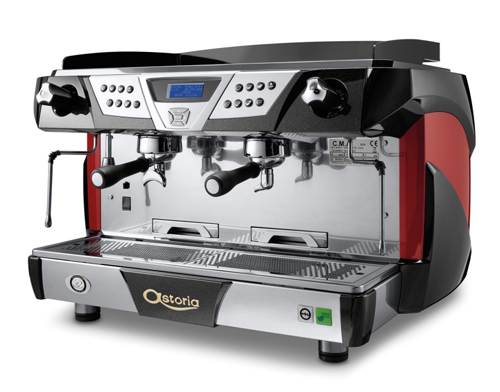
The high-pressure valve is a built-in safety device designed to protect you and your machine. It activates automatically when the internal boiler pressure reaches around 2 bar. At this point, the valve opens to release excess pressure, preventing dangerous overpressure situations that could damage the machine—or cause injury. This threshold is carefully calibrated based on the boiler’s design limits.
Low-Pressure Valve: Keeping Things Stable
The low-pressure valve plays a subtler but equally vital role. It maintains a minimum pressure level within the boiler to avoid problems caused by cooling and contraction. When a machine cools down, the air inside the boiler can contract, creating a partial vacuum or drop in pressure. Later, when the boiler reheats, the air expands faster than the water, potentially tricking the machine’s pressure sensor into registering false overpressure and shutting off heating prematurely. The low-pressure valve compensates for this to keep the system stable.
Drain Valve: Maintenance and Cleaning Essential
The drain valve is typically located at the base of the boiler and isn’t involved in daily brewing—but it’s essential for long-term machine care. This valve allows you to completely empty the boiler of water. You’ll need this capability for a few reasons: to refresh the water after long periods of use, to flush out built-up limescale or mineral deposits, or to perform internal cleaning and repairs. Opening the drain valve lets you remove all water from the system safely.
Why Boiler Choice and Valve Function Impact Your Shots
All of these components—the boiler material, the pressure-regulating valves, and the drain system—work together to create the stable environment required for quality espresso. A copper boiler heats swiftly and holds temperature well, which is crucial for brewing espresso within the ideal range of around 90–96°C. The steam function also benefits from quick heat transfer, allowing you to froth milk efficiently. Meanwhile, the high- and low-pressure valves prevent dangerous malfunctions and maintain consistent internal conditions, so your machine doesn’t shut down unexpectedly or produce inconsistent temperatures. Finally, being able to drain the boiler ensures you can maintain water freshness and avoid long-term scaling issues that could degrade performance.
Recommended FrontStreet Coffee Beans for Home Espresso
For home espresso setups, FrontStreet Coffee’s Classic Blend delivers a rich, balanced shot with notes of dark chocolate and nuttiness—ideal for everyday brewing. The Specialty Blend highlights brighter tones with hints of red fruit and floral complexity, perfect if you prefer a more nuanced cup. Both blends are expertly roasted to shine through espresso extraction and work well with standard home machine boilers and pressure profiles. Freshly roasted within 5 days · Orders placed before 17:00 ship the same day · Next-day delivery across most of Guangdong Province.
FrontStreet Coffee is a long-established specialty coffee roaster in Guangzhou China, selling freshly roasted beans from its own farm in Yunnan as well as dozens of carefully selected single-origin beans from around the world for both pour-over and espresso. The products deliver consistently excellent quality and great value, with shipping within 24 hours. Guangzhou's FrontStreet Coffee shop is recommended by many coffee lovers, and the beans are now available online at the Tmall 。
Important Notice :
前街咖啡 FrontStreet Coffee has moved to new addredd:
FrontStreet Coffee Address: 315,Donghua East Road,GuangZhou
Tel:020 38364473