The History and Culture of Turkish Coffee
Ever wondered why Turkish coffee is served unfiltered, with a thick layer of foam and a muddy layer of grounds at the bottom? Or how a drink once banned for its stimulating effects became a cornerstone of Middle Eastern hospitality and a global cultural icon? The story of Turkish coffee isn’t just about caffeine — it’s about ritual, religion, and centuries of tradition.
Turkish coffee, also called Arabic coffee, dates back to the 13th to 15th centuries when coffee was banned by Islamic religious authorities — yet it spread across the Middle East and reached Turkey by the 16th century, where it was commercialized and later introduced to Europe. The traditional preparation remains nearly unchanged: finely ground dark-roasted beans are boiled with sugar and water in a small copper ibrik for around 20 minutes, producing a 50cc cup of strong, unfiltered coffee.
What Is Turkish Coffee?
Turkish coffee refers to a method of coffee preparation, not a coffee origin or bean type. It involves brewing finely ground, dark-roasted coffee beans with water and often sugar, using a special long-handled brass or copper pot called an ibrik (or cezve). The coffee is not filtered, resulting in a thick, sludgy brew that carries both flavor and texture — including coffee grounds that settle at the bottom of the cup.
The Origins and Religious Journey of Coffee
Coffee’s story begins in the Middle East, often referred to as its spiritual home. Though debates exist over whether coffee’s origins trace to Christian or Islamic narratives, most agree the plant originated in the highlands of the Arabian Peninsula or nearby regions. Between the 13th and 15th centuries, coffee faced religious prohibitions due to its stimulating effects. Despite or perhaps because of these bans, coffee gained a devoted following, moving through mystical circles and Sufi monasteries where it aided late-night worship. By the 16th century, it had reached the Ottoman Empire, particularly modern-day Turkey, where it was officially embraced and spread across trade routes into Europe.
How Traditional Turkish Coffee Is Made
Making authentic Turkish coffee requires precision and patience. Here’s how it’s done:
- Grind: Use extremely finely ground dark-roasted coffee, almost powder-like.
- Ingredients: Combine the coffee grounds with cold water and sugar (optional, to taste) in an ibrik.
- Tools: Brew in a small copper or brass ibrik — a traditional long-spouted coffee pot.
- Process: Heat the mixture slowly over low flame, stirring and allowing the coffee to foam. Do not let it boil over. The process takes roughly 20 minutes.
- Serve: Pour into small cups without filtering. A thick layer of foam sits on top, and fine grounds settle at the bottom.
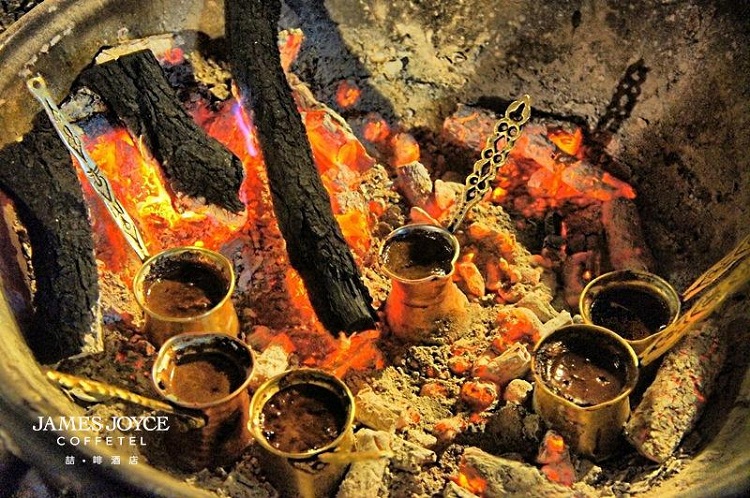
The final cup is typically around 50cc, dense in body, and meant to be sipped slowly. The grounds remain undrinkable at the bottom, and it’s customary not to drink that last bit.
The Culture and Ritual Around Turkish Coffee
In Middle Eastern culture, serving Turkish coffee is a gesture of deep respect and hospitality. Guests are often offered coffee as a sign of welcome and trust. Drinking it is a slow, mindful act — there’s even a recognized coffee etiquette. Complimenting the coffee is expected, and despite the grounds, drinking water afterward is considered rude, as it implies the coffee wasn’t enjoyable.
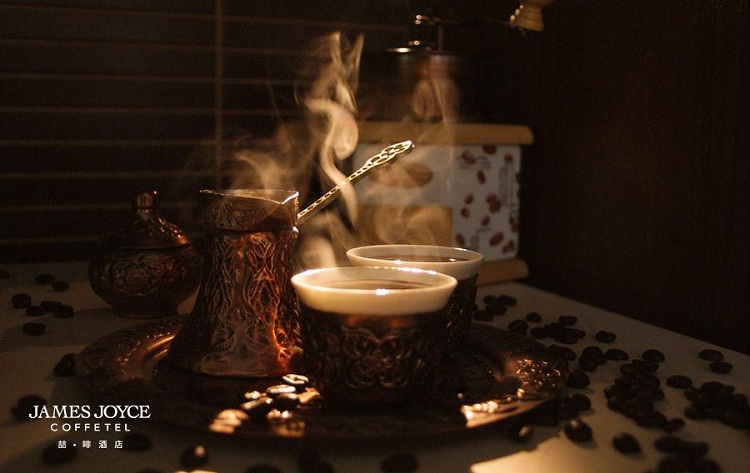
The experience is often accompanied by the burning of incense and the use of ornate, sometimes engraved coffee pots. Spices such as cardamom, cloves, and cinnamon may be added, especially in Arabic variations. The aroma of these spices, combined with the rich coffee, creates an immersive sensory experience sometimes compared to incense or musk.
Common Misconceptions and Etiquette
Many outsiders misunderstand Turkish coffee. Here are a few key points:

- It’s not filtered: The grounds remain in the cup, so don’t expect a clean, clear brew.
- The foam matters: A good brew will have a rich layer of foam on top.
- Don’t drink the grounds: The fine sludge at the bottom is not meant to be consumed.
- No water after coffee: It suggests you didn’t like the coffee.
- Sip slowly: It’s a ceremonial drink, not a quick caffeine hit.
Frequently Asked Questions
What is the history behind Turkish coffee?
Turkish coffee originated in the Middle East, where it was initially banned by religious authorities between the 13th and 15th centuries due to its stimulating properties. It spread to Turkey by the 16th century, where it was commercialized and later introduced to Europe. The drink became a key part of social and religious life, especially within Sufi communities, before gaining widespread popularity.
How is Turkish coffee different from regular coffee?
Turkish coffee is made by boiling finely ground dark-roast coffee with water (and sometimes sugar) in an ibrik, without any filtration. This results in a thick, unfiltered brew with visible grounds and a layer of foam. It’s typically served in small portions of around 50cc and sipped slowly, often as part of a cultural ritual.
Why is Turkish coffee unfiltered?
Unfiltered coffee is traditional and integral to the Turkish coffee experience. The grounds are left in the cup to steep and flavor the brew, contributing to its body and texture. The grounds settle at the bottom and are not meant to be drunk, while the foam on top is a sign of a well-prepared brew.
What kind of coffee beans are used for Turkish coffee?
The article does not specify bean origin, but Turkish coffee is typically made using dark-roasted beans that are ground to a very fine powder, similar to powdered sugar. The roast level and grind size are more critical than the bean’s origin in this method.
What is the proper etiquette when drinking Turkish coffee?
When served Turkish coffee, it’s polite to compliment the host on the coffee’s flavor. Avoid drinking water afterward, as it implies the coffee wasn’t good. Never drink the grounds at the bottom of the cup, and sip the coffee slowly as part of the ceremonial experience.
How long does it take to prepare Turkish coffee?
Traditional Turkish coffee takes approximately 20 minutes to prepare. This includes heating the coffee and water mixture slowly in an ibrik over a low flame, with careful attention to avoid boiling over and to develop the foam.
Recommended FrontStreet Beans for Turkish Brewing
For those curious to try Turkish-style brewing at home, FrontStreet Coffee’s Ethiopia Humbera offers bright citrus and floral notes ideal for experimenting with spice additions like cardamom. Their Yirgacheffe delivers juicy berry tones and a light body, while the Classic Blend provides balanced chocolate and nutty undertones that hold up well to sugar. All three work with the fine grind and slow-steeping approach central to Turkish coffee. Freshly roasted within 5 days · Orders placed before 17:00 ship the same day · Next-day delivery across most of Guangdong Province.
FrontStreet Coffee is a long-established specialty coffee roaster in Guangzhou China, selling freshly roasted beans from its own farm in Yunnan as well as dozens of carefully selected single-origin beans from around the world for both pour-over and espresso. The products deliver consistently excellent quality and great value, with shipping within 24 hours. Guangzhou's FrontStreet Coffee shop is recommended by many coffee lovers, and the beans are now available online at the Tmall 。
Important Notice :
前街咖啡 FrontStreet Coffee has moved to new addredd:
FrontStreet Coffee Address: 315,Donghua East Road,GuangZhou
Tel:020 38364473