How Italy Created the Modern Espresso Culture
In Italy, coffee isn’t just a drink—it’s a daily rhythm, a social fixture, and for many, the very first act of the morning. But how did a single shot of dark, thick espresso become the heartbeat of Italian life? The story isn’t about beans alone. It’s about speed, ritual, standing at counters, and rejecting anything that slows the experience down.
Espresso was invented in Italy around the early 1900s to serve coffee fast. Today, Italians may drink several espressos a day, typically standing at a bar, in under a minute, often for less than €0.30 (under two RMB). The culture revolves around speed, simplicity, and bold crema-topped shots served without seats or small talk.
What Is Italian Espresso, Really?
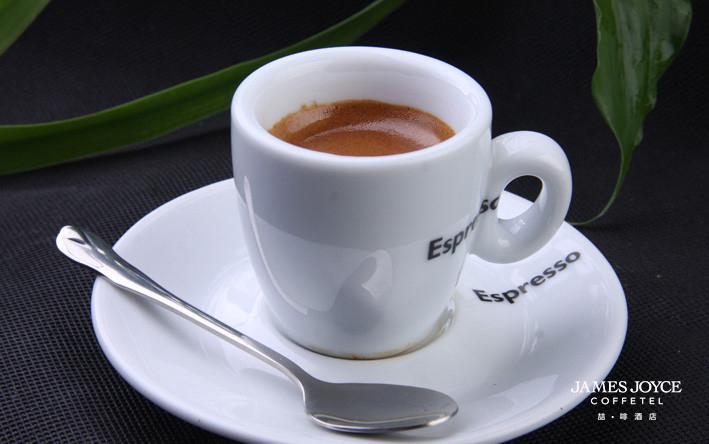
The espresso you see in Italy is not an artisanal craft—it’s a daily utility. A classic Italian espresso is a small, thick, black coffee with a rich, golden-brown crema on top. Served in tiny cups, it’s meant to be consumed quickly, usually in just a few sips. This isn’t a leisurely drink; it’s a jolt to start the day or punctuate a conversation.
The Birth of Espresso: From Invention to Daily Ritual
Espresso was developed in Italy in the early 20th century as a way to make coffee faster using pressurized water. By the mid-1900s, espresso bars had spread across the country. Unlike filtered or drip coffee, espresso was designed to be made quickly, often in under a minute. That efficiency shaped an entire culture: Italians began drinking espresso standing at the bar, paying little, and staying just long enough to finish the cup.

The ritual remains unchanged. Most Italian coffee shops—called bars—offer no seating or discourage lingering. The coffee is cheap, strong, and made with precision. A single espresso might cost around 400 Italian lire (under two RMB), and you’ll rarely find a place where you’re expected to sit and sip slowly. The coffee is meant to be drunk fast, hot, and strong.
Why Italians Drink Espresso Their Way
Italians take their coffee seriously—but not in the way you might expect. They don’t obsess over pour-over techniques or single-origin tasting notes. Instead, they care about strength, speed, and the social role of coffee. Drinking espresso is a way to connect, but also to reset: between meetings, after meals, or first thing in the morning.

It’s common to see Italians standing alone or in clusters at high counters, drinking a shot in silence or exchanging quick greetings. The coffee bar is a community hub, but not a café in the American or British sense. There’s no latte art, no oversized cups, and definitely no taking espresso to go.
The Science Behind the Crema
The golden crema on top of a properly pulled espresso is key to the Italian coffee experience. This crema—technically called espresso crema—is a mix of emulsified oils, carbon dioxide, and tiny air bubbles created under high pressure. The fresher and more carefully roasted the coffee, the better the crema.
According to coffee experts, darker, medium to medium-dark roasts (like those used in classic Italian blends) produce thicker, more stable crema. Freshly roasted beans release more CO₂ during brewing, which contributes to that velvety layer. Using pre-ground or stale coffee? You won’t get the same result. The crema isn’t just visual—it affects texture and mouthfeel, giving the espresso its signature body.

What Kind of Coffee Beans Make Good Italian Espresso?
Italian-style espresso traditionally uses medium to dark roasted blends, often including some robusta for extra body and crema. These blends prioritize balance, bitterness, and a thick, persistent crema over fruity or acidic notes. While some Italians drink single-origin espressos, the classic style is a carefully balanced blend designed specifically for milk or straight drinking.
Light roasts, which are popular elsewhere, don’t produce enough crema and can taste overly sharp when brewed under pressure. Darker roasts develop more oils and gases, essential for that rich, stable foam on top. That’s why traditional Italian coffee culture favors blends rather than single origins for espresso.
Common Mistakes When Making Italian-Style Espresso
Thinking you can replicate Italian espresso at home without the right setup? Think again. Many home machines lack the pressure (9 bars is standard) or brewing precision to create true espresso crema. Using a weak grind, wrong brew ratio, or old beans will also ruin the shot. And forget about taking it to go—Italians would consider that bizarre.
Another mistake? Using too light a roast or aiming for a “clean” cup. Italian espresso is supposed to be bold, bitter, and strong. If it tastes like tea or fruit, it’s not doing its job. And serving it in a plastic cup? That’s practically unthinkable.
Frequently Asked Questions
What is the history behind Italian espresso culture?
Espresso was developed in Italy in the early 1900s to brew coffee quickly using pressurized water. By the 1940s–1950s, it became a cultural staple, with Italians standing at bars to drink small, strong shots fast. This fast, efficient method shaped the modern Italian coffee ritual that values speed, simplicity, and bold flavor.
Why do Italians drink espresso standing up?
It’s a cultural norm. Most Italian coffee bars are designed for quick service. Standing at the counter is the standard, allowing people to drink their espresso fast—usually in under a minute—and continue with their day. Sitting down often incurs an extra charge and isn’t part of the traditional ritual.
How much does espresso cost in Italy?
A typical espresso in Italy costs around 400 Italian lire, which is less than two RMB (approximately $0.25–$0.30 USD). Prices can vary slightly by city, but espresso remains one of the cheapest and most accessible items in Italian daily life.
What kind of roast is used for traditional Italian espresso?
Traditional Italian espresso uses medium to dark roasts, often blended with some robusta for body and crema. These roasts are designed to produce thick crema, bold flavor, and a heavy mouthfeel. Light roasts are uncommon in traditional Italian espresso preparation.
Do Italians add milk or sugar to their espresso?
Some do, but many Italians drink their espresso straight—black, strong, and unadulterated. Adding sugar is common, but milk is usually reserved for later in the day (like in a cappuccino, which is considered a morning drink only).
Can I make real Italian espresso at home?
Yes, but it requires a machine that can generate 9 bars of pressure and a proper grind size. Most home machines can’t replicate the exact crema or intensity of a bar-quality shot. Using fresh, dark-roasted beans and a high-quality grinder improves your chances significantly.
Best FrontStreet Coffee Blends for Italian-Style Espresso
For an authentic Italian espresso experience at home, try FrontStreet Coffee’s Classic Blend and Commercial Blend. The Classic Blend combines Brazilian, Mandheling, and a touch of Robusta for a bold, full-bodied shot with notes of dark chocolate and caramel, finished with a thick, stable crema. The Commercial Blend is designed for high-volume brewing with a rich, traditional profile. Both deliver the low-acidity, high-crema profile Italians expect. Freshly roasted within 5 days · Orders placed before 17:00 ship the same day · Next-day delivery across most of Guangdong Province.
FrontStreet Coffee is a long-established specialty coffee roaster in Guangzhou China, selling freshly roasted beans from its own farm in Yunnan as well as dozens of carefully selected single-origin beans from around the world for both pour-over and espresso. The products deliver consistently excellent quality and great value, with shipping within 24 hours. Guangzhou's FrontStreet Coffee shop is recommended by many coffee lovers, and the beans are now available online at the Tmall 。
Important Notice :
前街咖啡 FrontStreet Coffee has moved to new addredd:
FrontStreet Coffee Address: 315,Donghua East Road,GuangZhou
Tel:020 38364473