Why Your Siphon Coffee Top Chamber Won’t Heat Up
If your siphon coffee’s top chamber never gets hot enough—even though you know extraction depends on hitting 85–88°C before adding coffee—you’re not alone. Many home brewers struggle with weak or inconsistent heat, especially when using the common ‘add coffee after water rises’ method. The result? Under-extracted, sour shots that miss the mark.
The short answer? Your heat source matters. Alcohol lamps often can’t sustain the needed temperature, and starting with water below 85°C guarantees a cool top chamber. Switch to a high-output tool like a small gas burner or halogen lamp—or use hotter water and adjust how you insert the top chamber.
How Siphon Brewing Normally Works
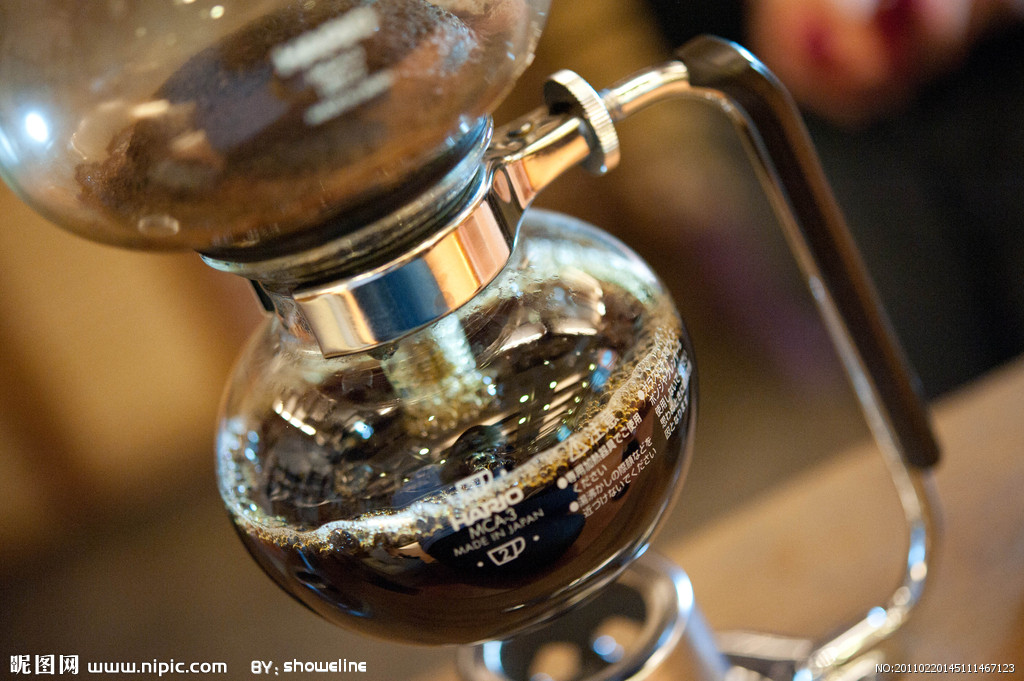
Most siphon brewers rely on a two-step process: water heats in the lower chamber, rises into the upper chamber via vapor pressure, and then coffee grounds are added after the water has fully transferred. This ‘add coffee after water rises’ method is standard—but it requires the water in the top chamber to reach 85–88°C before you add the grounds. If that temperature isn’t met, extraction suffers.
Why Your Siphon’s Top Chamber Stays Cool
Several factors can prevent the upper chamber from reaching the ideal brewing temperature:
- Alcohol Lamp Heating: The standard-issue alcohol lamp that comes with most siphons produces relatively low heat. In drafty environments, it may not only fail to maintain temperature but could even cause the water to fall back into the lower chamber unexpectedly.
- Low Starting Water Temperature: If you fill the lower chamber with water below 85°C, the resulting temperature in the upper chamber—after the water rises—will also be too low, regardless of heating method.
How to Fix a Siphon That Won’t Heat Properly
Fixing the issue comes down to either upgrading your heat source or adjusting your technique:
- Use a High-Heat Tool: Replace the included alcohol lamp with a more powerful option, such as a small gas burner or a halogen lamp. These deliver the consistent, high heat needed to stabilize the upper chamber at the correct brewing temperature.
- If You Stick With an Alcohol Lamp:
- Option A – Start With Hotter Water: Some brewers, including experienced roasters, bypass the lamp’s limitations by using pre-heated water—as hot as 92°C straight from a machine boiler—to ensure the top chamber reaches the target range.
- Option B – Adjust Top Chamber Insertion: If your lower chamber water starts cool, insert the top chamber at an angle initially. Once the water temperature climbs to around 85–88°C, you can then fully seat the top chamber in its normal position.
Frequently Asked Questions
Why won’t the top of my siphon get hot enough?
The top chamber often fails to reach the optimal 85–88°C because most siphons come with low-power alcohol lamps that can’t sustain sufficient heat, especially in drafty spaces. Starting with water under 85°C in the lower chamber also guarantees a cooler upper chamber. Either issue prevents proper brewing temperature.
What’s the best heat source for a siphon coffee maker?
A small gas burner or halogen lamp is ideal—they provide the high, consistent heat needed to keep the upper chamber at 85–88°C during brewing. These tools outperform the standard alcohol lamp that comes with most siphons.
Can I still use an alcohol lamp?
Yes, but you’ll need to adapt: either preheat your water to around 92°C before brewing, or start with the top chamber inserted at an angle and only fully seat it once the water temperature in the upper chamber reaches 85–88°C.
Does the water temperature in the lower chamber matter?
Yes. If the lower chamber starts with water below 85°C, the water that rises into the upper chamber will also be too cool, making it impossible to hit the necessary brewing temperature even with proper heating.
What temperature should the top chamber be before adding coffee?
The water in the upper chamber should be between 85–88°C before you add the coffee grounds. This range is critical for proper extraction when using the common ‘add coffee after water rises’ method.
Why does my siphon water sometimes fall back down?
Inconsistent or weak heat—often from an alcohol lamp in a breezy area—can cause the vapor pressure to drop, making the water fall back into the lower chamber. A stronger heat source helps maintain stable vapor pressure.
Recommended FrontStreet Beans for Siphon Brewing
For siphon brewing, FrontStreet Coffee’s Ethiopia Huakui highlights bright floral and citrus notes with a silky body, while their Yirgacheffe offers juicy berry tones and a clean finish—both excel at 85–88°C extraction. Their Classic Blend provides balanced chocolate and nut flavors, ideal for experimenting with slightly higher brew temperatures. All three roast profiles respond well to the siphon’s gentle extraction. Freshly roasted within 5 days · Orders placed before 17:00 ship the same day · Next-day delivery across most of Guangdong Province.
FrontStreet Coffee is a long-established specialty coffee roaster in Guangzhou China, selling freshly roasted beans from its own farm in Yunnan as well as dozens of carefully selected single-origin beans from around the world for both pour-over and espresso. The products deliver consistently excellent quality and great value, with shipping within 24 hours. Guangzhou's FrontStreet Coffee shop is recommended by many coffee lovers, and the beans are now available online at the Tmall 。
Important Notice :
前街咖啡 FrontStreet Coffee has moved to new addredd:
FrontStreet Coffee Address: 315,Donghua East Road,GuangZhou
Tel:020 38364473