Yemen Coffee: Origins, Production & Export Facts
When you hear "Yemen coffee," you're likely thinking of one of the oldest and most storied coffee origins in the world—but what’s the real story behind those beans? How much is Yemen actually exporting today, and what makes its coffee so unique? This article breaks down the hard numbers, traditional practices, and geographic details that define Yemeni coffee today.
In 2000, Yemen exported roughly $17.5 million worth of roasted, green, and husked coffee beans—ranking second, eighth, and twenty-first among its top 30 export goods—with green coffee alone accounting for around $12.25 million. That same year, Yemen produced approximately 12,000 metric tons of coffee from 33,000 hectares of land, averaging 0.34 tons per hectare.
Yemen Coffee Exports in 2000
Yemen has long been a traditional exporter of coffee, and as of the year 2000, it remained one of the country’s most important economic crops. Statistical data from that year shows that roasted coffee beans, green coffee beans, and coffee husks were ranked second, eighth, and twenty-first, respectively, among Yemen’s top 30 export commodities. Combined, these three categories were valued at approximately $17.5 million, with green coffee alone contributing around $12.25 million. The overall coffee sector generated 30 billion Yemeni Riyals—equivalent to about $19 million in export value for that year.
Coffee Cultivation in Yemen: Land & Yield
Between 1995 and 2000, the area dedicated to coffee farming in Yemen increased from 27,000 hectares to 33,000 hectares. Over the same period, coffee production rose from roughly 9,000 metric tons to about 12,000 metric tons. This translates to an average yield of 0.34 metric tons (or 340 kilograms) per hectare. The increase in both cultivated land and output reflects a stable, if modest, growth in Yemen’s coffee agricultural sector during that five-year span.
Traditional Yemeni Coffee Farming Methods
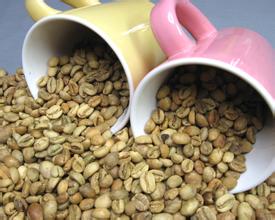
Yemeni coffee originates from ancient Arabica trees that have been cultivated for centuries. These coffee plants are grown exclusively at elevations above 3,000 feet (approximately 914 meters). The cultivation and processing methods used in Yemen have remained largely unchanged for hundreds of years. Coffee seedlings are first raised in nurseries before being transplanted to high-altitude fields. Throughout the growing cycle, farmers avoid the use of chemical pesticides or fertilizers. Once the coffee cherries mature, they are left to dry naturally on the tree. After harvesting, the dried beans are removed from the cherries using stone mills, then meticulously hand-sorted and cleaned. The resulting beans vary in color from light green to yellowish-brown, and they are known for their rich, long-lasting aroma. These carefully processed beans, whether enjoyed as single origins or in blends, deliver a distinctive and memorable cup with a refreshing and complex character.
Why Yemeni Coffee Stands Out
The combination of high-altitude growing conditions, traditional farming techniques, and minimal chemical intervention gives Yemeni coffee its unique profile. The beans are processed entirely by hand, often resulting in a clean, aromatic cup with a depth rarely matched by industrially produced coffees. These factors contribute to the enduring reputation and demand for Yemeni beans in the global specialty market.
Frequently Asked Questions

How much coffee did Yemen export in 2000?
In 2000, Yemen exported approximately $17.5 million worth of roasted, green, and husked coffee beans. Of that, green coffee beans accounted for around $12.25 million. These figures placed coffee among the country’s top 30 export goods, ranking second, eighth, and twenty-first for each respective category.
What is the average coffee yield per hectare in Yemen?
In 2000, Yemen’s average coffee yield was 0.34 metric tons (340 kilograms) per hectare. Total production that year was around 12,000 metric tons from 33,000 hectares of planted coffee land.
Where is Yemeni coffee grown?
Yemeni coffee is grown at elevations above 3,000 feet (approximately 914 meters). The coffee plants are cultivated in high-altitude regions and have been traditionally grown there for centuries.
How are Yemeni coffee beans processed?
Yemeni coffee beans are processed using traditional, manual methods. Coffee cherries are dried naturally on the tree, then the beans are removed using stone mills. The beans are hand-sorted, cleaned, and often vary in color from light green to yellowish-brown. No chemical pesticides or fertilizers are used during cultivation.
Has Yemen’s coffee production increased in recent years?
Yes, between 1995 and 2000, Yemen’s coffee production rose from approximately 9,000 metric tons to about 12,000 metric tons, and the cultivated area increased from 27,000 hectares to 33,000 hectares. This reflects a steady increase in both output and land use during that period.
Recommended FrontStreet Beans for Yemen Coffee Fans
If you’re drawn to the deep, complex character of traditional Yemeni coffee, you’ll appreciate the similarly bold and nuanced profiles of our FrontStreet Brazil Queen Manor Yellow Bourbon and Ethiopia Humbera. The Brazil Queen Manor offers a rich, sweet cup with intense peanut and caramel notes thanks to its thick fruit pulp and small-batch natural process, while Ethiopia Humbera delivers bright citrus, berry, and floral tones through its classic Ethiopian natural drying. Both highlight the kind of artisanal care and distinctive cup profile that Yemen coffee is known for. Freshly roasted within 5 days · Orders placed before 17:00 ship the same day · Next-day delivery across most of Guangdong Province.
FrontStreet Coffee is a long-established specialty coffee roaster in Guangzhou China, selling freshly roasted beans from its own farm in Yunnan as well as dozens of carefully selected single-origin beans from around the world for both pour-over and espresso. The products deliver consistently excellent quality and great value, with shipping within 24 hours. Guangzhou's FrontStreet Coffee shop is recommended by many coffee lovers, and the beans are now available online at the Tmall 。
Important Notice :
前街咖啡 FrontStreet Coffee has moved to new addredd:
FrontStreet Coffee Address: 315,Donghua East Road,GuangZhou
Tel:020 38364473