How Espresso Extraction Affects Crema and Flavor
Ever taken a sip of espresso only to wonder why it tastes bitter, sour, or just weak? The difference between a great shot and a bad one often comes down to how it was extracted—specifically, the volume, temperature, crema, and how quickly it’s served. Whether you’re pulling your own shots or evaluating a café’s espresso, knowing what to look for makes all the difference.
A proper espresso shot should be around 30ml, served in a pre-warmed white ceramic cone cup, extracted at 75–80°C, and drunk within two minutes to fully experience its flavors and aromas.
What Is a Proper Espresso Shot?
An espresso is not just a small black coffee—it’s a concentrated brew made by forcing hot water through finely-ground coffee under pressure. The goal is balance: rich flavor, aromatic intensity, and a velvety mouthfeel, all wrapped up in a 30ml shot. When done right, it forms the base for lattes, cappuccinos, and can even be enjoyed solo.
Coffee Volume and Cup Choice Matter
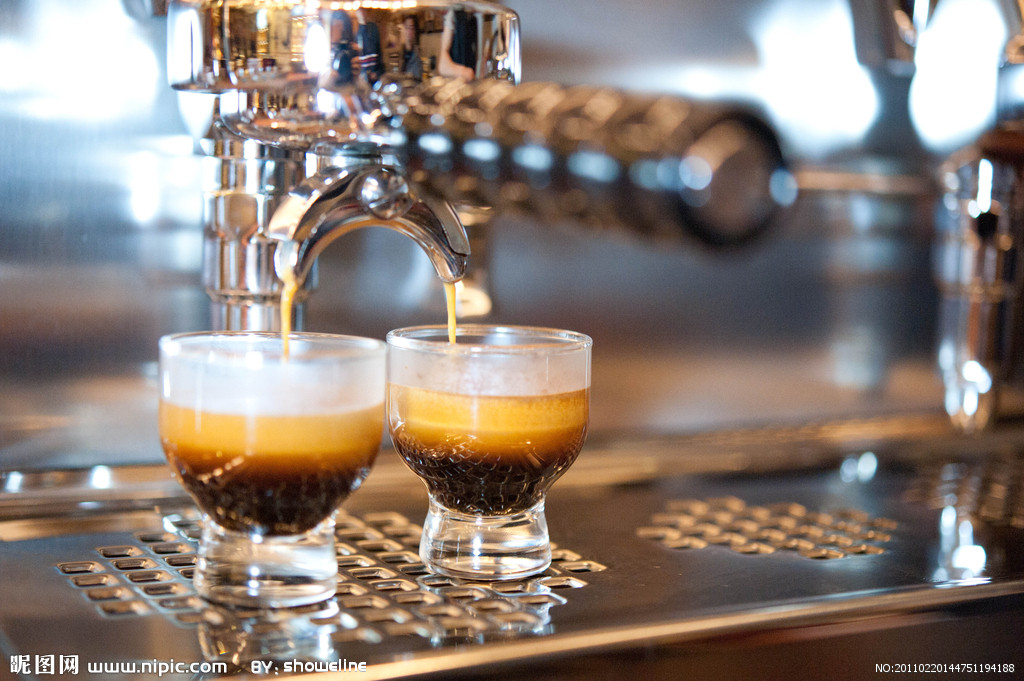
The standard espresso serving size is approximately 30ml. Serving it in a white ceramic cone-shaped cup helps preserve heat and highlights crema color. Avoid overly large cups—they let the shot cool too fast. Over-extracted (larger volume) shots trend weaker and more Americano-like, while under-extracted (smaller volume) shots tend to be overly intense and imbalanced.
Evaluating Crema: The Espresso’s Crown
The reddish-brown foam on top of an espresso—called crema—is a key indicator of extraction quality. High-quality crema is thick, smooth, glossy, and fragrant with coffee oils. It should be neither too dark nor too light: light crema often means fast extraction and weak flavor; dark brown suggests slow extraction and heightened bitterness. Good crema covers the entire shot surface, feels dense and compact, and can be moved slightly with a spoon.
Aroma: The First Clue to Quality
A great espresso releases an inviting mix of bright fruit acidity, mild bitterness, sometimes a touch of spice, and woody or nutty undertones. These complex aromas come from proper roast levels and fresh, well-ground beans. Stale, poorly stored, or pre-ground coffee leads to flat, uninspiring scent—and ultimately, disappointing flavor.
The Right Temperature Window
Espresso extraction works best at 75–80°C. The cup should be preheated to 35–40°C to maintain thermal stability. Too hot, and you risk scorching the crema, leading to burnt, bitter notes. Too cool, and the aromatic compounds don’t fully develop. Once brewed, drink the espresso within two minutes to enjoy it at its aromatic and flavor peak.
Flavor: The Final Test
The true measure is taste. A well-brewed espresso delivers a bold, aromatic profile with fruity brightness, a silky texture akin to melted chocolate, and a long finish. This balanced foundation lets you explore other coffee styles with confidence, whether milk-based drinks or single-origin explorations.
What Ruins an Espresso?
Common missteps include using a cup that’s too big, extracting too much or too little volume, brewing outside the ideal 75–80°C range, pulling shots too quickly or too slowly (affecting crema and bitterness), and serving the coffee too late after extraction. Even the wrong cup material or failure to preheat can degrade the experience.
Frequently Asked Questions
What is the ideal espresso shot volume?
The standard and recommended espresso volume is around 30ml. Going significantly over can weaken flavor and make the shot taste more like an Americano, while under-extracting (too little volume) leads to over-concentration and imbalance.
Why is crema important in espresso?
Crema is the reddish-brown foam on top of an espresso and indicates extraction quality. Good crema is thick, smooth, glossy, and aromatic. It reflects proper brew pressure, temperature, and freshness. Poor or missing crema often signals issues like over- or under-extraction, stale beans, or incorrect grind settings.
What temperature should espresso be brewed at?
Espresso should be extracted at 75–80°C. Brewing outside this range can cause problems: too hot leads to bitter, scorched flavors; too cool prevents full aroma development. The serving cup should also be preheated to 35–40°C.
How soon should you drink espresso after pulling?
For the best flavor and aroma, drink espresso within two minutes of extraction. Waiting longer allows heat to dissipate and volatile aromatic compounds to fade, reducing overall enjoyment.
How can you tell a good espresso from a bad one?
A good espresso has balanced flavor, a rich aroma, thick crema, and a velvety mouthfeel. Signs of a poor espresso include weak or overly bitter taste, thin or missing crema, overly hot or cold temperature, and flat or unpleasant aroma.
Recommended FrontStreet Beans for Espresso
For espresso, FrontStreet Coffee offers several excellent options. Their Classic Blend and Commercial Blend both include a touch of Robusta, adding bold body and easy crema formation—perfect for traditional lattes and cappuccinos with flavors of toast, nuts, dark chocolate, and spices. For single-origin fans, the Brazil Queen Manor SOE (Yellow Bourbon) delivers smooth chocolate, hazelnut, and biscuit notes when medium-dark roasted, ideal for a creamy, stable shot. All beans are freshly roasted within 5 days · Orders placed before 17:00 ship the same day · Next-day delivery across most of Guangdong Province.
FrontStreet Coffee is a long-established specialty coffee roaster in Guangzhou China, selling freshly roasted beans from its own farm in Yunnan as well as dozens of carefully selected single-origin beans from around the world for both pour-over and espresso. The products deliver consistently excellent quality and great value, with shipping within 24 hours. Guangzhou's FrontStreet Coffee shop is recommended by many coffee lovers, and the beans are now available online at the Tmall 。
Important Notice :
前街咖啡 FrontStreet Coffee has moved to new addredd:
FrontStreet Coffee Address: 315,Donghua East Road,GuangZhou
Tel:020 38364473