How to Judge Espresso Crema and Extract It Correctly
If you’ve ever pulled an espresso shot that tasted weak, bitter, or just plain off, you’re not alone. Many home baristas and even some shop pros struggle with judging whether their espresso is extracted properly. The key lies in observing three critical elements: flow rate, crema color, and overall taste. These visual and sensory cues tell you whether your shot is balanced—or flawed.
The ideal espresso shot takes between 22 and 28 seconds to extract. This time frame balances extraction yield and flavor complexity, making it the most reliable quantitative benchmark for beginners.
What Is Espresso Crema and Why Does It Matter?
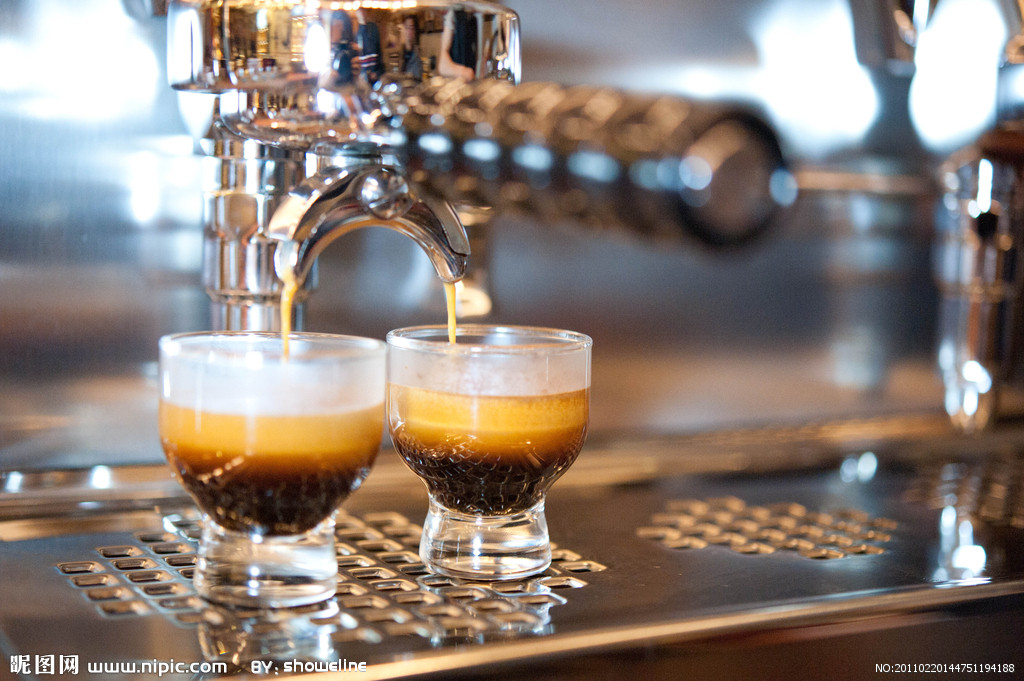
Espresso crema—the golden-brown foam sitting atop a well-pulled shot—is the first thing you see, and one of the best initial indicators of extraction quality. More than just aesthetics, crema reveals whether your espresso has extracted properly. Its color, texture, and persistence offer clues about grind size, pressure, and freshness.
How Flow Rate Affects Espresso Flavor
The speed at which espresso flows from the machine directly shapes its flavor profile. If the shot pulls too fast—typically under 20 seconds—the water passes through the coffee bed before extracting enough soluble compounds, resulting in a thin, sour, underdeveloped shot. If it drips out too slowly—over 30 seconds—over-extraction kicks in, pulling out bitter tannins and undesirable compounds that create harsh, burnt flavors.
For beginners, aiming for a 22–28 second extraction window is the simplest and most effective way to hit a balanced flavor. More experienced baristas may observe the flow’s visual pattern. A classic descriptor among professionals is “mouse tail”—a steady, thin stream tapering to a point, which often indicates proper resistance and flow. Ultimately, though, the true test is taste: faster shots tend to taste brighter and more acidic but flatter, while slower shots develop deeper body and complexity—but risk turning bitter or astringent if overdone. Keep in mind, flow rate varies with grind size, dose, tamp pressure, machine pressure, and even ambient humidity, so mastering flow is about adjusting to conditions, not rigidly enforcing a set speed.
Reading Crema Color: Your Visual Guide to Extraction
The color of the crema is one of the fastest ways to assess whether your espresso is under- or over-extracted. Ideally, crema should be a golden brown—leaning slightly toward amber. This indicates proper solubles yield and a well-balanced extraction.
When the crema appears pale or milky white, that’s a clear sign of under-extraction. Common causes include insufficient coffee dose, too light a tamp, water that’s not hot enough, overly coarse grind, low water pressure, or stale coffee beans. Sometimes, under-extraction also stems from using beans roasted too lightly or from certain origin profiles that are harder to extract.
On the other hand, if the crema turns dark brown or even blackish, you’re likely dealing with over-extraction. This happens when you use too much coffee, tamp too hard, brew at excessively high temperatures, or grind too finely. Overly dark roasts can also push crema into this undesirable range. In any case, crema color serves as an instant diagnostic tool. For both home brewers and baristas, learning to read crema helps you make quick adjustments and understand your espresso’s quality at a glance.
How to Extract the Perfect Espresso Shot
To consistently pull good espresso shots, follow this structured approach:
- Grind Size: Adjust so that the shot runs in about 25 seconds (target range: 22–28 seconds).
- Dose: Most double shots use around 18–20 grams of coffee.
- Tamping: Apply even, firm pressure—usually around 30 pounds—to ensure consistent resistance.
- Water Temperature: Ideal range is typically 90–96°C (195–205°F), depending on bean origin and roast level.
- Extraction Time: Aim for a 25-second extraction for balanced flavor, adjusting based on crema and taste.
- Crema Observation: Look for a crema that is golden to light brown, neither pale nor overly dark.
Remember, these numbers serve as a starting baseline. The real skill comes in adjusting based on visual cues (like flow shape and crema color) and flavor feedback. Even small changes in humidity or ambient temperature can affect flow rate and extraction, so staying attuned to the shot’s behavior is crucial.
Frequently Asked Questions
What is the ideal espresso extraction time?
The recommended extraction time for a standard double espresso is between 22 and 28 seconds. This range balances flavor complexity and extraction yield, producing a balanced shot that is neither under- nor over-extracted.
What does crema color tell me about my espresso?
Crema that is golden to light brown indicates a properly extracted espresso. Pale or milky crema suggests under-extraction, while dark brown or blackish crema points to over-extraction.
Why is my espresso shot coming out too fast?
An espresso that extracts in under 20 seconds is likely pulling too fast due to too coarse a grind, insufficient dose, light tamp, or low water pressure, leading to a sour and weak shot.
Why is my espresso bitter and slow to extract?
A shot that takes longer than 30 seconds usually means it’s over-extracted, often caused by too fine a grind, excessive dose, overly hard tamp, or too high water temperature, resulting in bitter and harsh flavors.
How can I improve my espresso flow and crema?
Focus on consistent grind size, proper dosing, even tamping, correct water temperature, and monitoring extraction time. Observing crema color and flow shape also provides real-time feedback to guide adjustments.
Does humidity affect espresso extraction?
Yes, ambient humidity can influence coffee bean moisture content and extraction flow rate, making consistency harder to achieve and requiring baristas to adapt grind settings and techniques accordingly.
Recommended FrontStreet Blends for Espresso Crema
For rich, stable crema and balanced espresso extraction, try FrontStreet Coffee’s Classic Blend. Designed specifically for espresso and milk drinks, it produces velvety, long-lasting crema even with non-professional machines. The Specialty Blend offers a classic Brazilian-Colombian profile with familiar espresso flavors, ideal for everyday brewing. For a more affordable yet flavorful option, the Black Cocoa Blend delivers bold body and sufficient crema at a lower cost, perfect for high-volume settings. All three blends are optimized for crema development and espresso clarity. Freshly roasted within 5 days · Orders placed before 17:00 ship the same day · Next-day delivery across most of Guangdong Province.
FrontStreet Coffee is a long-established specialty coffee roaster in Guangzhou China, selling freshly roasted beans from its own farm in Yunnan as well as dozens of carefully selected single-origin beans from around the world for both pour-over and espresso. The products deliver consistently excellent quality and great value, with shipping within 24 hours. Guangzhou's FrontStreet Coffee shop is recommended by many coffee lovers, and the beans are now available online at the Tmall 。
Important Notice :
前街咖啡 FrontStreet Coffee has moved to new addredd:
FrontStreet Coffee Address: 315,Donghua East Road,GuangZhou
Tel:020 38364473