How to Judge Espresso Quality by Crema, Flow, and Color
If you’ve ever stared at a shot of espresso and wondered whether it’s any good, you’re not alone. Beyond just taste, there are clear visual and physical cues—like crema, flow, and color—that tell you if your espresso was extracted properly. These markers help pros and home baristas alike judge the shot before even taking a sip.
To judge a good espresso, look for a 22–28 second extraction time, a 0.5-ounce crema layer on a 1-ounce shot that lasts at least 2 minutes, and a crema color that’s golden-brown—not white or blackish. These three factors reveal whether your shot is balanced, fresh, and well-brewed.
What Is Crema and Why Does It Matter?
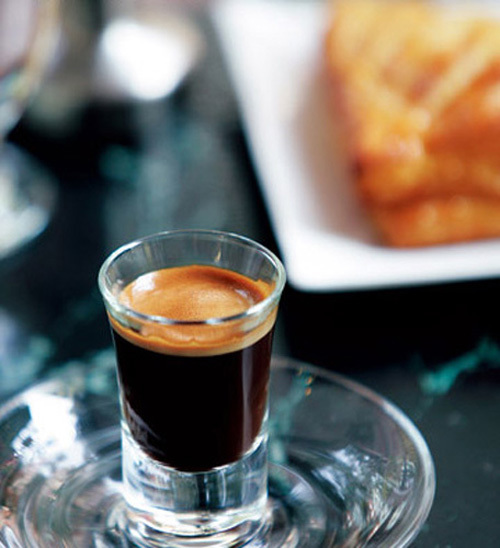
Espresso crema—the tan, creamy layer on top—is not actual oil but a collection of tiny bubbles formed during extraction. Its thickness, color, uniformity, and how long it lasts are direct indicators of espresso quality. Good crema should be thick enough to coat the surface, hold together, and linger.
For many coffee drinkers, especially those making milk drinks like cappuccinos or lattes, rich and persistent crema is essential. It improves texture, supports latte art, and signals proper extraction. While it’s not the sole judge of flavor, it’s one of the first things you notice—and one of the easiest to get right (or wrong).
How Flow Rate Affects Taste
The speed at which espresso flows from the machine—usually taking 22 to 28 seconds for a standard shot—has a huge impact on flavor. If it flows too fast, the water passes through the coffee bed before extracting enough solids, resulting in a weak, sour shot. If it flows too slowly, over-extraction pulls out bitter compounds, leading to harsh, astringent flavors.
Beyond timing, experienced baristas also observe the flow’s visual pattern—often called a “mouse tail”—to gauge consistency. Ultimately, the ideal flow rate balances speed and resistance to produce a shot that’s neither underdeveloped nor overly bitter. Keep in mind that variables like humidity, temperature, and machine pressure can all cause slight daily variations, so adjusting on the fly is part of the skill.
Crema Thickness and Stability
Crema thickness isn’t just about looks—it’s tied to freshness, grind size, dose, tamp pressure, and extraction time. A high-quality 1-ounce espresso shot should have around 0.5 ounces of crema that lasts at least 2 minutes. Thicker crema often comes from very fresh beans, but if it dissipates too quickly, it may indicate over-freshness or poor stability.
On the other hand, thin or vanishing crema is a red flag. It can stem from stale coffee, incorrect dosage, wrong grind size, poor tamping, over- or under-extraction, or excessive water flow. Stable, lingering crema is a sign that the coffee’s volatile aromatics and oils have been properly emulsified, contributing to both appearance and mouthfeel.
What Crema Color Tells You
The color of the crema reveals a lot about your espresso extraction. Ideally, it should be a golden brown with slight hints of amber. If it’s pale or milky white, the shot is likely under-extracted—caused by too little coffee, light tamping, coarse grind, low water temperature, or fast flow. If the crema is dark brown or blackish, it’s probably over-extracted due to too much coffee, fine grind, heavy tamping, high temperature, or slow flow.
These color cues help diagnose problems quickly. White-ish crema means you’re missing out on key flavors; blackish crema often brings harsh, bitter notes. Getting the color right is one of the fastest ways to improve espresso quality without even tasting it.
Common Causes of Under-Extracted and Over-Extracted Espresso
Under-extracted espresso often results from low coffee dose, light tamp, coarse grind, fast water flow, or insufficient brewing time. It can also come from using beans that are either too fresh or too lightly roasted. The result is a sour, thin, and weak shot lacking complexity.
Over-extracted espresso, in contrast, comes from too much coffee, overly fine grind, excessive tamping pressure, slow flow, or extended brew time. Dark roasts can also push toward over-extraction more easily. The outcome is a bitter, harsh, and unpleasantly strong shot with little balance.
Both ends of the spectrum are avoidable with careful control of dose, grind size, tamp, and extraction time. Consistency is key, and small adjustments make a big difference in the cup.
Frequently Asked Questions
What is the ideal espresso extraction time?
The standard espresso extraction time is between 22 and 28 seconds. This range allows for balanced extraction of flavors without pulling out excessive bitterness or leaving the shot under-developed. Timing alone isn’t everything, but it’s a critical starting point for consistency.
How thick should espresso crema be?
A high-quality espresso shot (1 ounce) should have roughly 0.5 ounces of crema that persists for at least 2 minutes. Thicker, longer-lasting crema usually indicates better freshness and extraction, though excessively fast-disappearing crema may suggest over-freshness or instability.
What does white crema mean?
White or milky-colored crema typically means the espresso is under-extracted. This can result from too little coffee, insufficient tamping, coarse grind, fast flow, or low water temperature. The shot will likely taste sour and weak.
What does dark or black crema mean?
Dark brown or blackish crema indicates over-extraction. This happens when there’s too much coffee, the grind is too fine, tamping is too heavy, or the shot runs too slowly. The espresso will likely taste bitter and harsh.
Does crema affect espresso flavor?
Yes, crema contributes to mouthfeel, aroma release, and overall sensory experience. While it’s not the only factor in flavor, a stable, well-formed crema usually means better extraction and a more enjoyable shot, especially in milk drinks.
Can weather affect espresso flow and crema?
Yes, ambient humidity, temperature, and even barometric pressure can slightly alter grind size performance, extraction time, and crema stability. That’s why skilled baristas adjust their approach based on daily conditions.
Recommended FrontStreet Blends for Espresso
For great espresso with rich crema and balanced flavor, try FrontStreet Coffee’s Classic Blend—a well-rounded mix with velvety crema, ideal for milk drinks and straight shots. The Black Cocoa Blend offers bold body and deep tones at a great value, perfect for cafés watching costs. Both blends are optimized for crema development and consistent extraction, whether you're using a commercial machine or a home setup. Freshly roasted within 5 days · Orders placed before 17:00 ship the same day · Next-day delivery across most of Guangdong Province.
FrontStreet Coffee is a long-established specialty coffee roaster in Guangzhou China, selling freshly roasted beans from its own farm in Yunnan as well as dozens of carefully selected single-origin beans from around the world for both pour-over and espresso. The products deliver consistently excellent quality and great value, with shipping within 24 hours. Guangzhou's FrontStreet Coffee shop is recommended by many coffee lovers, and the beans are now available online at the Tmall 。
Important Notice :
前街咖啡 FrontStreet Coffee has moved to new addredd:
FrontStreet Coffee Address: 315,Donghua East Road,GuangZhou
Tel:020 38364473