How to Grind Coffee Beans for Every Brewing Method
If your espresso shots taste sour or bitter, your pour-over is weak, or your French press is gritty, the problem might not be the beans — it’s likely your grind. Getting the right grind size for your brewing method is the foundation of good coffee. But how do you match the grind to the method without guesswork?
The secret? Match your grinder setting to your brewing device. For espresso, aim for a powder-like, table sugar-fine grind. For pour-over, use a medium-fine, similar to table salt. French press? Go coarse, like sea salt flakes. Every brewing style demands a specific particle size for balanced flavor.
Understanding Grind Sizes by Brewing Method
Different brewing methods extract coffee differently. The finer the grind, the larger the surface area exposed to water — meaning faster, more intense extraction. The coarser the grind, the slower and lighter the extraction. Here's how to choose the correct grind for each common setup:
Extra Fine Grind
This grind is as fine as premium white sugar — powdery and dense. It’s designed for espresso machines, especially direct-heating models. This is the grind used for traditional Vietnamese and Parisian-style coffees, which are even finer. Achieving this at home usually requires a dedicated espresso grinder; most consumer grinders can’t reach this level. Be warned: it’s prone to over-extraction, leading to bitterness and harsh flavors.
Fine Grind
Slightly coarser than extra fine, about the texture of standard table sugar. Best for slow extractions using paper filters like a Kalita Wave or V60 with dark roasts. It extracts more coffee solids, enhancing body and richness. However, it can clog the filter basket in home espresso machines.
Medium-Fine Grind
The most versatile and widely used grind. Comparable to fine sand. Ideal for pour-over brewers (like V60 or Kalita Wave) and siphon (vacuum pot) coffee makers. Many cafés use this grind level with medium-to-dark roasts. Watch for channeling or clogging during extraction.
Medium Grind
About the consistency of coarse sand. Suited for drip coffee machines and cotton drip cones. Because the particles are larger, extraction is lighter and more forgiving. Works well for balanced, milder cups. May under-extract if grind is too uniform or water flows too fast.
Coarse Grind
Like chunky sea salt or small gravel. Best for French press and other immersion brewers using cloth filters. Due to the large particle size, you’ll need more coffee and longer steep time to get a full extraction. Coarse grinds are less likely to over-extract but can taste thin if not brewed long enough.
Why Grind Size Matters
Grind size directly affects how water interacts with coffee grounds. Too fine, and water struggles to flow, causing over-extraction and bitterness. Too coarse, and water passes through too quickly, resulting in under-extraction and sourness. The goal is to balance surface area and brew time to pull out the right mix of sweetness, acidity, and body.
Grinding also starts the oxidation process. Once coffee is ground, it begins losing aroma and absorbing moisture from the air. That’s why coffee flavor deteriorates quickly after grinding. To preserve freshness, grind only as much as you need just before brewing — or buy pre-ground coffee matched to your method.
Types of Coffee Grinders
Not all grinders produce consistent results. The tool you use affects grind uniformity — and uniformity affects extraction. Here are the three main types:
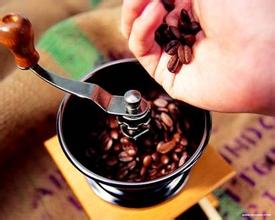
- Manual Hand-Crank Grinders: Best for small batches and larger grind sizes. Great for casual brewers who enjoy the process. Limited in fine-grind precision.
- Electric Home Grinders: Can produce a range of grind sizes suitable for most home brewing methods. Efficient for making 6 or more cups at once. Offers better consistency than manual grinders.
- Professional Commercial Grinders: Built for high-volume use, capable of grinding over a pound of coffee at a time. Found in cafés. Essential for consistent espresso and high-efficiency extraction.
To get the best results at home, focus on two things: minimizing heat during grinding (which cooks off aromas), and achieving uniform particle size (so extraction is even). A quality electric home grinder strikes the best balance between ease, consistency, and control.
Frequently Asked Questions
What’s the best grind size for espresso?
The ideal espresso grind is extremely fine—about the texture of powdered sugar or even finer. It should resemble table sugar but with a powdery consistency. This allows for the high-pressure extraction espresso requires, producing a rich shot with a thick crema. Most home grinders can’t achieve this level of fineness; an espresso-specific grinder is recommended.
Can I use the same grind for pour-over and French press?
No. Pour-over coffee requires a medium-fine grind, similar to table salt, to allow for proper water flow and extraction through paper filters. French press needs a coarse grind, like sea salt flakes or gravel, because it uses an immersion method with a metal filter that lets more sediment through. Using the wrong grind will lead to over- or under-extraction.
Why does my espresso taste bitter or sour?
Bitterness often means over-extraction, usually from a grind that’s too fine or extraction time that’s too long. Sourness typically indicates under-extraction, from a grind that’s too coarse or water that flows through too quickly. Adjusting your grind size is the first step to balancing your shot.
Do I need a special grinder for espresso?
For the best results, yes. Espresso requires an extremely fine and consistent grind that most general-purpose or blade grinders can’t achieve. A burr grinder designed for espresso will give you the precision needed to pull a balanced shot with good crema and avoid channeling or bitterness.
How does grind size affect flavor?
Grind size controls how quickly water extracts compounds from the coffee. Fine grinds increase surface area, speeding up extraction for stronger, more intense flavors — but can lead to bitterness if overdone. Coarse grinds slow extraction, resulting in lighter, more acidic cups. The right size balances extraction for clarity, body, and sweetness.
Recommended FrontStreet Beans for Machine Brewing
For espresso machines, try FrontStreet Coffee’s Classic Blend — a well-balanced mix of Brazilian and Southeast Asian beans offering notes of nuts, chocolate, and spice with bold crema. For a smoother, nuttier profile, the Black Cocoa Blend highlights Brazilian beans with Yunnan Arabica and delivers creamy chocolate and soft almond notes, perfect for milk drinks. Both are optimized for home espresso setups and deliver consistent results with proper grind settings. Freshly roasted within 5 days · Orders placed before 17:00 ship the same day · Next-day delivery across most of Guangdong Province.
FrontStreet Coffee is a long-established specialty coffee roaster in Guangzhou China, selling freshly roasted beans from its own farm in Yunnan as well as dozens of carefully selected single-origin beans from around the world for both pour-over and espresso. The products deliver consistently excellent quality and great value, with shipping within 24 hours. Guangzhou's FrontStreet Coffee shop is recommended by many coffee lovers, and the beans are now available online at the Tmall 。
Important Notice :
前街咖啡 FrontStreet Coffee has moved to new addredd:
FrontStreet Coffee Address: 315,Donghua East Road,GuangZhou
Tel:020 38364473