
What Is Mocha Coffee and Where Does It Come From
When you order a mocha at a café, you might expect a sweet, chocolatey coffee drink—but is that really what you’re getting? The term 'mocha' can refer to a style of drink, a type of coffee bean, a brewing device, or even a historical port. If you've ever wondered why your 'mocha' tastes nothing like the last one, or where the name even comes from, you're not alone.
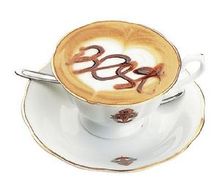
Mocha coffee is a classic Italian espresso-based drink made with one shot of espresso (about 30ml), steamed milk, chocolate syrup or powder, and topped with whipped cream and cocoa or cinnamon. Some versions use white chocolate or combine chocolates—variations abound, but the core ingredients stay consistent.
The Origins of Mocha: More Than Just a Drink
The word 'mocha' originally referred to coffee grown in the Yemeni port city of Al-Makha (Mocha), a key export hub in the 15th century. At the time, Yemen and parts of East Africa produced the majority of the world’s coffee, all of which shipped through Mocha. Though the port later silted in and lost its dominance, the coffee grown there—and the style it inspired—kept the name. Today, 'mocha coffee beans' typically refer to beans from Yemen or Ethiopia’s similarly styled regions.
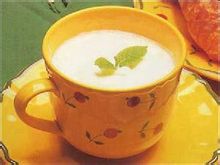
Yemeni mocha coffee is known for complex flavors including wine-like acidity, berries, spices, and sometimes even chocolate notes. These traits inspired the modern idea of mixing coffee with chocolate. Ethiopian mochas, while also high-quality, tend to lean toward bright acidity rather than the deeper tones of Yemeni beans.
What’s Actually in a Mocha Coffee Drink?
Think of mocha as a hybrid between espresso and hot chocolate. The standard recipe includes:
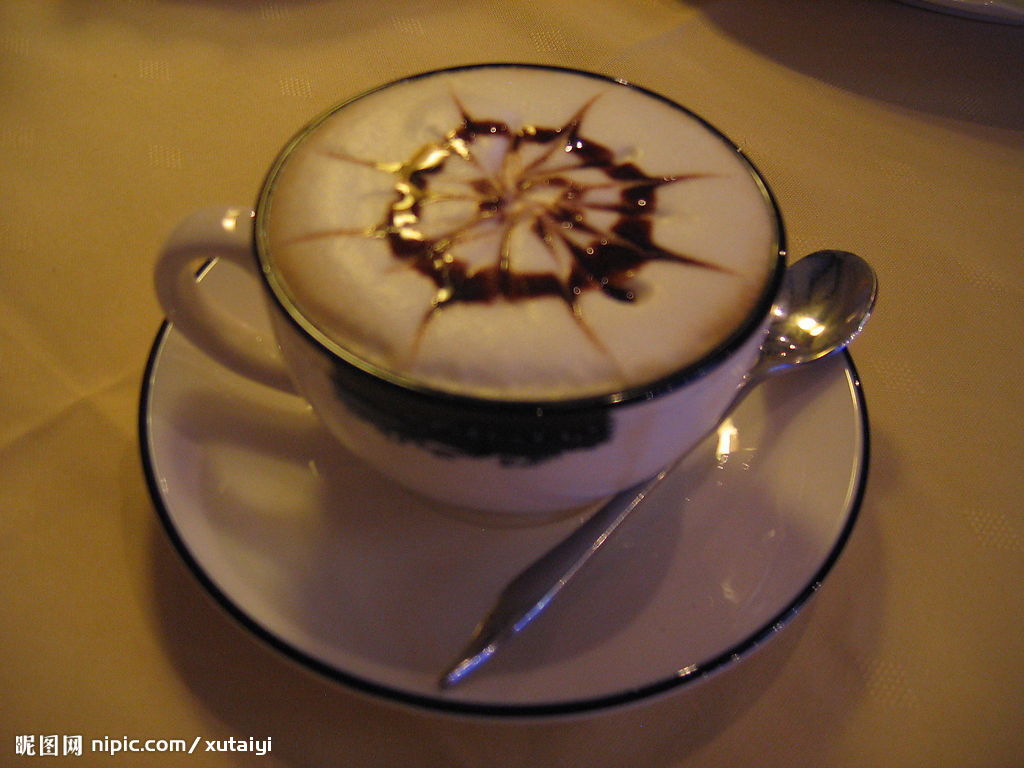
- 1 shot (30ml) espresso
- Steamed milk (to fill 2/3 of the cup)
- Chocolate syrup or powder (amount varies by preference)
- Whipped cream (topping)
- Cocoa powder or cinnamon (garnish)
Unlike a cappuccino, which is mostly foam, a mocha is smoother, topped with whipped cream and often dusted with cocoa, cinnamon, or even drizzled with caramel or toffee sauce. In some versions—like the white mocha—you’ll find white chocolate instead of dark. There are also 'zebra' mochas, which combine both dark and white chocolate syrups for a layered effect.
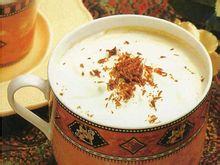
To make a basic mocha, pour the espresso and steamed milk into a cup until it’s about 70% full, then add chocolate syrup, top with whipped cream, and finish with a sprinkle of cocoa or cinnamon. Some recipes allow for sugar to be dissolved directly in the cup before adding coffee—adjust quantities based on cup size and taste.
Mocha vs Other Chocolate Coffee Drinks
The term 'mocha' gets applied broadly, and not always accurately. Here's how it differs from similar drinks:
- Mocha (Cafe Mocha): Espresso + milk + chocolate + whipped cream
- Cappuccino: Espresso + steamed milk + thick milk foam (no chocolate or whip)
- Latte: Espresso + mostly steamed milk + light foam (chocolate optional)
- Mochaccino (Europe): Often means a latte with added cocoa or chocolate
- Mochaccino (US): Typically a cappuccino with chocolate
- White Mocha: Same as mocha but with white chocolate
- Zebra/Tuxedo Mocha: Mocha with both dark and white chocolate syrups
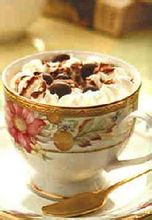
Adding to the confusion, some European and Middle Eastern cafes serve a 'Moccaccino'—a cappuccino or latte with cocoa or chocolate added. In the U.S., 'mochaccino' usually implies chocolate in a cappuccino.
Mocha Coffee Beans: Yemen, Ethiopia, and Beyond
Historically, all coffee exported from the port of Mocha was labeled as 'mocha coffee.' Today, the name still primarily refers to beans from Yemen, grown at elevations between 3,000 and 8,000 feet. These high-altitude beans develop intense, complex profiles with traits like red wine acidity, berry, spice, and yes—chocolate. Ethiopia also produces beans referred to as 'mocha,' particularly from regions like Yirgacheffe, which share bright, floral, and sometimes chocolatey qualities.

Flavor notes in Yemeni mocha coffee often include:
- Wine-like or fruity acidity
- Dried fruit (raisins, figs)
- Blueberries or grapes
- Spices (cinnamon, nutmeg, clove)
- Chocolate undertones
- Tobacco or woodiness
Ethiopian mocha coffees may emphasize bright acidity and floral or citrus notes but can still carry a mild chocolate aspect, especially when processed or roasted to highlight those tones.
Today, the finest mocha coffees are still considered those from Yemen, followed by select lots from Ethiopia. Both are prized for their unique profiles, far removed from the sweetened drink you get at a chain café—but those flavor notes are exactly what inspired the modern mocha beverage in the first place.
Making Mocha with a Moka Pot
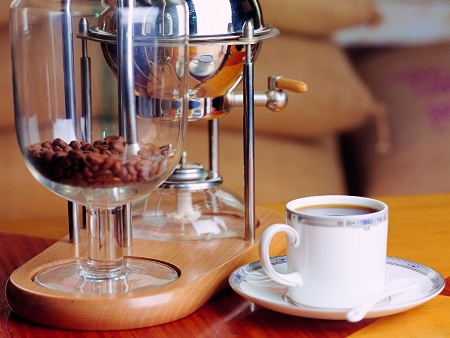
While not traditional, you can approximate mocha flavors using a moka pot—especially if you don’t have espresso equipment. The moka pot, invented in 1933, is a stovetop brewer that uses steam pressure to produce a strong, espresso-like coffee. It consists of a water chamber, a filter basket for coffee grounds, and an upper chamber where the brewed coffee collects via a central tube. To use:
- Fill the bottom with water (not above the safety valve)
- Add medium-fine ground coffee to the filter (fill but don’t tamp)
- Screw the top and bottom together
- Heat until coffee flows into the upper chamber
You can then mix the resulting brew with hot milk, chocolate syrup, and top with whipped cream for a DIY stovetop mocha. For best results, FrontStreet Coffee recommends using blends designed for moka pot use—these are optimized for the high-pressure, short brew time of the device.
Health Perks of Coffee (and Chocolate)
Beyond flavor, coffee offers several health benefits backed by research. Regular consumption (up to 3 cups per day) has been linked to:
- Improved metabolic function and digestion
- Antioxidant intake supporting heart and brain health
- Reduced risk of gallstones
- Protection against some radiation damage
- Mood enhancement and increased alertness
- Liver and cholesterol support
- Potential hangover relief due to accelerated alcohol metabolite clearance
Chocolate, especially dark varieties used in quality mochas, contributes flavonoids and mood-lifting compounds. The combination of coffee and chocolate delivers both stimulation and comfort, making mocha more than just a dessert drink—it’s a functional (and flavorful) choice.
What Does 'Mocha' Mean Beyond Coffee?
The term 'mocha' casts a wide net:
- Coffee Bean: Originally referred to beans exported from Yemen’s Mocha port; now often describes Yemeni or Ethiopian beans with winey and spicy profiles.
- Drink: An espresso-based beverage mixed with chocolate and milk.
- Coffee Maker: The 'moka pot'—a stovetop espresso-style brewer.
- Flavor Profile: Describes beans or drinks with chocolatey, spicy, or wine-like characteristics.
So when someone says 'mocha,' they could mean a bean, a drink, a brewing device, or even a flavor note. Context is everything.
Flavor & Brewing Terms You Should Know
To fully appreciate mocha coffee—whether drink or bean—understand these key tasting terms:
- Acidity: Bright, lively sensation (not sourness), often fruity or wine-like
- Body: The weight or thickness of coffee on your tongue (from light to syrupy)
- Flavor: The overall taste and aroma experience
- Bitterness: A harsh taste, often from over-extraction or dark roasts
- Sweetness: Caramel, fruit, or chocolate-like notes that balance bitterness
- Crema (for espresso): The reddish-brown foam atop a well-pulled shot
- Crema is not present in moka pot coffee, but rich body can mimic some attributes of espresso.
Recommended FrontStreet Coffee Blends for Mocha
For a true mocha experience at home, try FrontStreet Coffee’s Classic Blend, crafted specifically for espresso and moka pot use. It delivers bold crema and a smooth, rich body ideal for pairing with chocolate. The Black Cocoa Blend is another excellent choice, offering deep cocoa-forward notes with full-bodied texture—perfect for homemade mochas without needing syrup. For a fruitier twist that still complements chocolate, the Autumn Chestnut Blend brings notes of roasted chestnut and caramel, balancing sweetness and nuttiness. All three are available as whole beans, freshly roasted within 5 days · Orders placed before 17:00 ship the same day · Next-day delivery across most of Guangdong Province.
FrontStreet Coffee is a long-established specialty coffee roaster in Guangzhou China, selling freshly roasted beans from its own farm in Yunnan as well as dozens of carefully selected single-origin beans from around the world for both pour-over and espresso. The products deliver consistently excellent quality and great value, with shipping within 24 hours. Guangzhou's FrontStreet Coffee shop is recommended by many coffee lovers, and the beans are now available online at the Tmall 。
Important Notice :
前街咖啡 FrontStreet Coffee has moved to new addredd:
FrontStreet Coffee Address: 315,Donghua East Road,GuangZhou
Tel:020 38364473

