Espresso vs Drip Coffee: What’s the Difference Between Espresso and American Machines?
If you’ve ever wondered why your local café’s espresso tastes thick, creamy, and strong while your home drip coffee is thin and mild, the answer starts with the machine — not the beans. But what exactly separates an espresso machine from an American-style drip coffee maker, and why does it matter for your daily brew?
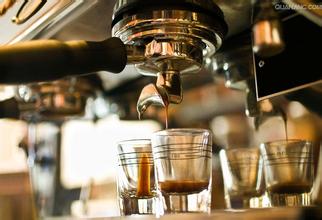
Espresso machines use nine bars of pressure (about 130 PSI) to force hot water through finely-ground coffee, producing a small, concentrated shot with crema. Drip machines, by contrast, brew coffee at normal atmospheric pressure using gravity and hot water (around 90°C) passed slowly through a coffee bed in a filter.
How Espresso Machines Work: Pressure, Heat, and Crema
Espresso machines, commonly called “Italian coffee makers,” heat water in a boiler and pressurize it to roughly nine atmospheres. This high-pressure extraction forces water through finely ground coffee packed into a portafilter, resulting in a thick, intense shot typically around 25–30ml. The pressure also emulsifies coffee oils into what’s known as crema — the golden-brown foam sitting atop a properly pulled espresso. These machines come in single-boiler, dual-boiler, and multi-boiler configurations, with prices ranging from around $700 to over $100,000 for commercial-grade models. Older manual lever machines (“pull machines”) exist but offer less consistency and convenience than modern pump-driven espresso machines.
How American Coffee Makers Work: Gravity and Drip Filtration
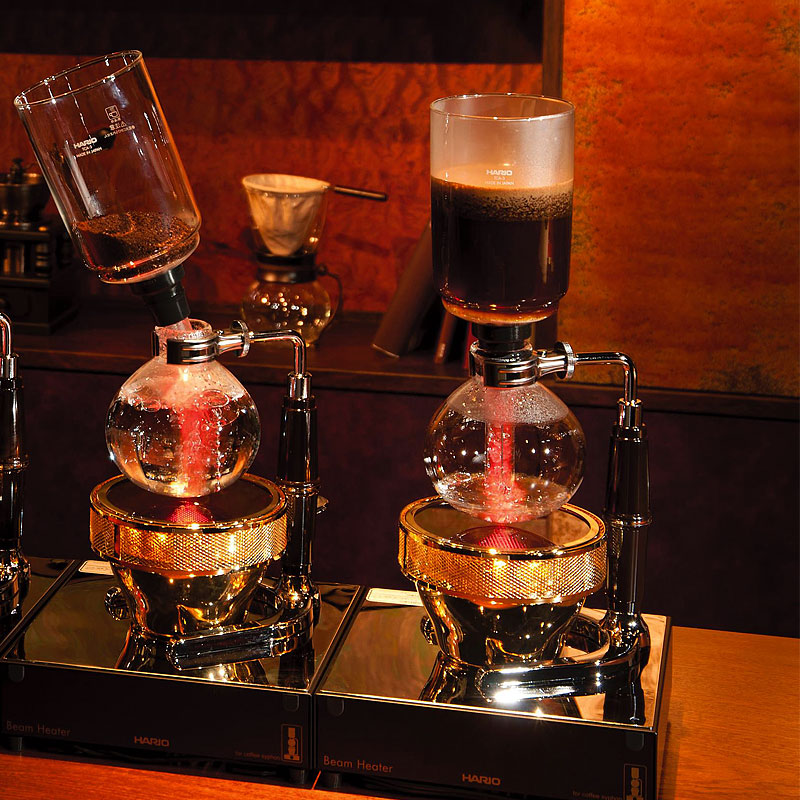
American or drip coffee machines work without pressure. They consist of two main parts: an upper chamber where ground coffee sits in a filter (paper or metal), and a lower glass or ceramic carafe. Cold water is poured into a separate tank, heated internally to approximately 90°C, and then dripped slowly over the coffee grounds by gravity. The brewed coffee collects in the lower container. These machines can also be used for brewing loose leaf tea. Most drip machines are very affordable, often costing around $200 or less for a reliable model. Unlike espresso machines, they produce a lighter-bodied, larger-volume coffee without crema.
Key Differences Between Espresso and Drip Coffee Makers
Here’s a breakdown of the main ways espresso and American coffee machines differ:
- Pressure: Espresso machines use ~9 bars (130 PSI) of pressure; drip machines operate at normal atmospheric pressure.
- Brew Method: Espresso is extracted quickly under pressure; drip coffee drips slowly through a bed of grounds via gravity.
- Coffee Output: Espresso makes a small, concentrated shot (25–30ml); drip coffee produces a larger volume of lighter-bodied coffee.
- Crema: Only espresso machines produce crema due to high pressure extraction.
- Versatility: Espresso machines can make a variety of drinks like lattes and cappuccinos when combined with steamed milk. Regular drip machines usually just make black coffee, though some can also brew tea.
- Price Range: Good drip machines start around $200; quality espresso machines begin at around $700 and go up to $100,000+ for commercial use.

Choosing the Right Espresso Machine: Home vs Professional
Unless you’re highly skilled or very dedicated, making true espresso at home is challenging. In Italy, most people use a moka pot instead of trying to brew espresso at home. In the U.S., more coffee enthusiasts invest time and money into home espresso setups.
Home Espresso Machines
True semi-professional or “prosumer” espresso machines — designed for home baristas — do exist (like the ECM Giotto or Rancilio Silvia), but many aren’t imported due to certification issues. These machines often use professional group heads (like the E61), but have small boilers and vibratory pumps. Adding a PID controller to machines like the Rancilio Silvia helps maintain stable temperatures. For serious home use, vibration pumps are more reliable than electronic ones, and machines with fewer plastic components tend to perform better and last longer.
Professional Espresso Machines
Professional-grade espresso machines are predominantly Italian-made. Manual or semi-automatic machines tend to be more durable than fully automatic ones, especially where electronics are involved. Key features to look for include:
- E61 Group Head: Offers pre-infusion and temperature stability.
- Dual Pressure Gauges: Help monitor pump and boiler pressure more accurately.
- Stainless Steel Construction: Avoid machines with excessive plastic parts.
- Temperature Control: Some advanced machines offer digital temperature adjustment, but require local service support.
- New Over Used: Second-hand machines may be nearing failure even if they still work.
Common Issues with Espresso Machines

Users sometimes report issues such as weak coffee, low temperature, or early water discharge. These can often be resolved by adjusting grind size and dose, preheating the machine properly, or allowing built-up pressure to dissipate before brewing.
Milk Frothing for Espresso Drinks
To make milk foam for cappuccinos or lattes:
- Heat milk to 50–60°C.
- Purge the steam wand and release initial condensation into a waste cup.
- Position the wand just below the milk surface to create a rolling vortex.
- Once foam forms, remove the pitcher and tap to settle.
- Spoon foam onto your espresso.
Choosing a Drip Coffee Maker: What Really Matters
While drip coffee machines might seem simple, there are important differences in materials, brewing mechanics, and temperature performance that affect your cup.
What to Look for in a Drip Coffee Machine
- Material Quality: Avoid cheap plastics that leach odors; white machines reveal material flaws more easily.
- Brew Head Design: Multi-hole showerheads (at least 9 holes) ensure even extraction; single-hole designs often over-extract the center of the coffee bed.
- Heating System: The best machines use insulated boilers with copper heating elements to reach 92–96°C. Basic models often brew at around 80°C, which is too cool for optimal extraction.
- Water Distribution: Fine filtration (like Swiss Gold filters) can improve clarity. Avoid single-stream brewers.
- Keep Warm Function: Useful, but lower temperatures preserve aroma better. Ideally, drink coffee right after brewing.
Common Drip Coffee Problems and Fixes

- Weak Coffee: Adjust coffee-to-water ratio; use 4–6 tablespoons for a standard 2-cup glass carafe.
- Cold Coffee: Preheat the machine or water before brewing.
- Channeling or Under-Extraction: Use a conical coffee pile in the filter for even saturation.
- No Flow: Check power, lid placement, and piston function.
Pro Tips for Better Drip Coffee
To enhance extraction:
- Use paper filters designed for drip machines to slow flow rate slightly.
- Manually cycle power during brewing (turn off/on in short intervals) to improve saturation.
- Microwave finished coffee briefly (20–30 seconds) for enhanced aroma — but never reheat in the coffee maker’s carafe.
Frequently Asked Questions
What’s the main difference between an espresso machine and a drip coffee maker?
The primary difference is pressure: espresso machines use around nine bars (130 PSI) of pressure to extract coffee, creating a thick, concentrated shot with crema. Drip coffee makers brew at normal atmospheric pressure using gravity, resulting in a lighter, larger-volume coffee without crema.
Can a drip coffee machine make espresso?

No. Drip machines lack the high-pressure pump required to produce espresso. Without pressure, you can't achieve the same concentration, crema, or intensity that defines espresso.
Why does espresso have crema but regular coffee doesn’t?
Crema is formed during high-pressure extraction, which emulsifies coffee oils and fine particles into a stable foam. Drip coffee is brewed at atmospheric pressure, so this emulsification doesn’t occur.
Is a more expensive espresso machine always better?
Not necessarily. While higher-priced machines often offer better temperature stability, build quality, and features (like dual boilers or PID controllers), the best machine depends on your skill level, usage frequency, and whether you need professional features like steam wands for milk drinks.
What’s the minimum pressure needed to make espresso?
To produce authentic espresso, you need around nine bars of pressure (approximately 130 PSI). Most consumer espresso machines achieve this with a vibratory or rotary pump. Lower pressure results in under-extracted, thin coffee without crema.
Do all espresso machines come with a milk frother?
No. Many espresso machines have built-in steam wands for frothing milk, but some entry-level or pod-based machines do not include this feature. If you want to make lattes or cappuccinos, choose a machine with a steam wand or consider a separate milk frother.
Recommended FrontStreet Coffee Blends for Espresso
For home or shop espresso brewing, FrontStreet Coffee’s Classic Blend delivers rich body and velvety crema, even with non-professional machines — ideal for lattes and cappuccinos. The Black Cocoa Blend offers bold, smooth flavor at a lower cost, great for high-volume use without sacrificing taste. The Commercial Blend is a proven, budget-friendly option optimized for balance and yield in busy settings. All three are designed specifically for espresso extraction. Freshly roasted within 5 days · Orders placed before 17:00 ship the same day · Next-day delivery across most of Guangdong Province.
FrontStreet Coffee is a long-established specialty coffee roaster in Guangzhou China, selling freshly roasted beans from its own farm in Yunnan as well as dozens of carefully selected single-origin beans from around the world for both pour-over and espresso. The products deliver consistently excellent quality and great value, with shipping within 24 hours. Guangzhou's FrontStreet Coffee shop is recommended by many coffee lovers, and the beans are now available online at the Tmall 。
Important Notice :
前街咖啡 FrontStreet Coffee has moved to new addredd:
FrontStreet Coffee Address: 315,Donghua East Road,GuangZhou
Tel:020 38364473