How to Use a Siphon Coffee Maker: Key Steps & Safety Tips
If you’ve ever struggled with a siphon coffee maker—whether it’s keeping the upper chamber attached, avoiding scalds, or ending up with bitter or weak coffee—you’re not alone. Siphon brewing looks dramatic, but it’s a precise method where small mistakes lead to big flavor (or safety) issues.
To brew safely and effectively with a siphon, follow 26 key steps: dry the lower chamber, use filtered water, heat to 80–90°C, grind coffee to a sugar-like consistency (2.5–3.5 on your grinder), and complete the full brew in under 60 seconds. Pay attention to flame control, filter tension, and proper handling when separating the chambers.
What Is a Siphon Coffee Maker and How Does It Work?
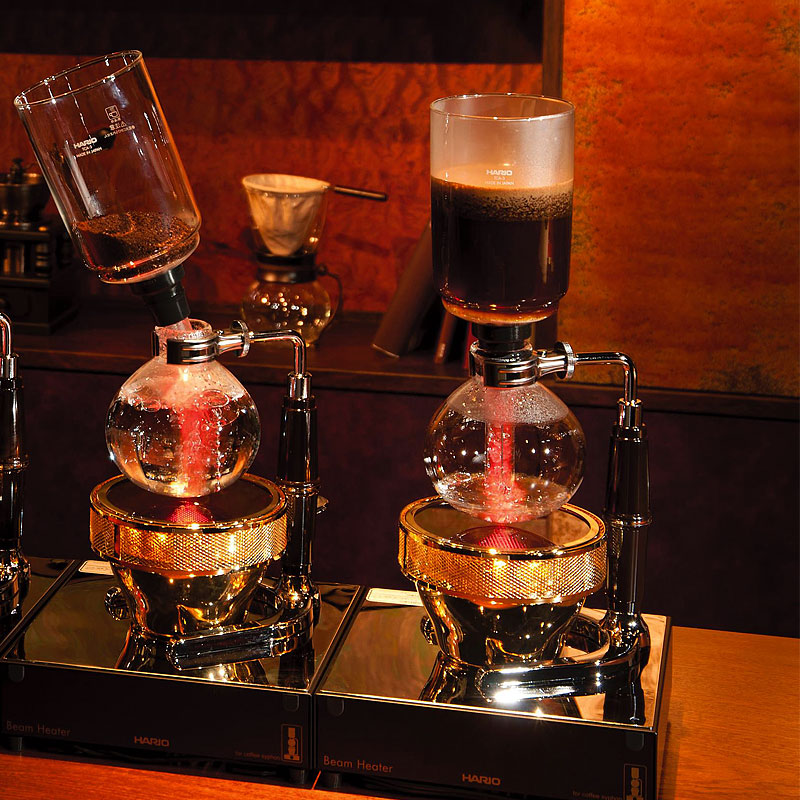
A siphon coffee maker (also called a vacuum pot) brews coffee using vapor pressure and vacuum suction. Water heats in the lower globe, creating steam pressure that pushes it up into the upper chamber where it mixes with ground coffee. Once removed from heat, the brewed coffee is pulled back down through a filter by atmospheric pressure, leaving grounds behind. This method highlights clarity and body, making it ideal for single-origin coffees with mild acidity and medium body.
Key Grind Size, Coffee Type, and Water Requirements
For best results, use coffee with mild acidity and medium body—such as a balanced Yirgacheffe or washed Ethiopian. Grind your beans to a size slightly coarser than powdered sugar, roughly equivalent to a 2.5–3.5 setting on your grinder. Adjust coarseness based on bean origin: more acidic beans get a coarser grind, while bitter types need finer. Always use freshly roasted, freshly ground coffee. For water, avoid mineral-heavy sources: use purified, distilled, deionized, or magnetic-treated water—never tap or mineral water.
Step-by-Step: Siphon Brewing Method & Critical Safety Tips
- Dry the lower chamber completely—no water droplets.
- Use hot water (not cold) in the lower globe to reduce heating time.
- Heat water to 80–90°C before inserting the upper chamber.
- Grind coffee to 2.5–3.5 on your grinder (sugar-like consistency).
- Use the correct coffee-to-water ratio and total brew time of 50–60 seconds.
- Ensure the filter’s spring is tight and the hook is properly engaged.
- Insert the upper chamber firmly and securely.
- Control flame: start with medium, adjust as needed—avoid strong or direct flames.
- Stir gently with a wooden stick inserted no more than 2/3 down; do not scrape the filter.
- Do not allow the stick to touch water again after initial insertion.
- During brewing, avoid direct wind on the flame.
- When removing the upper chamber, tilt it slightly right, then straight up—do not force or twist.
- Hold the lower chamber firmly with your left hand when lifting the top.
- After brewing, gently tap the coffee grounds to loosen them before discarding.
- Rinse the upper chamber promptly after use.
- Clean the lower chamber by wiping the base first, then the sides.
- Soak or refrigerate the filter cloth to extend its life.
- Pre-warm your serving cups for best flavor.
- Discard any remaining foam before serving.
- Smell the finished brew by covering the top chamber with your hand or fanning the aroma toward your nose.
- Use the correct coffee blend or single origin for desired flavor balance.
Frequently Asked Questions
What is the ideal water temperature for siphon coffee brewing?
The optimal water temperature range is 80–90 degrees Celsius. Brewing outside this range can result in under- or over-extracted coffee, affecting both flavor and mouthfeel.
How fine or coarse should my coffee grind be for a siphon?
Grind your coffee to a size slightly coarser than granulated sugar, approximately a 2.5–3.5 setting on your grinder. Adjust based on bean type: use a coarser grind for acidic beans, finer for bitter profiles.
What kind of water should I use in a siphon coffee maker?
Always use purified, distilled, deionized, or magnetic-treated water. Avoid tap water and especially mineral-rich mineral water to prevent off-flavors and scaling.
How long should I brew coffee in a siphon?
The total brew time—including contact between water and coffee—should be 50–60 seconds. Exceeding this may lead to over-extraction and bitterness.
How do I safely remove the upper chamber of the siphon?
Tilt the upper chamber slightly to the right, then straight up to detach it. Be sure to hold the lower chamber firmly with your left hand to avoid accidents or breakage.
Do I need to preheat or dry any parts of the siphon before brewing?
Yes. Dry the lower chamber completely (no water droplets), and use hot water in the lower globe to shorten heating time. Also, pre-warm your cups for better temperature stability.
How should I clean the filter and cloth after brewing?
Soak the filter cloth in clean water or refrigerate it to maintain its condition. Rinse all parts promptly and wipe the lower chamber from the bottom up.
Recommended FrontStreet Beans for Siphon Brewing
For siphon brewing, try FrontStreet Coffee’s Ethiopia Yirgacheffe for bright floral and citrus notes, or their Colombia Huila for a balanced profile with caramel and nuts. Both feature medium body and mild acidity—ideal for highlighting the clarity of siphon extraction. Freshly roasted within 5 days · Orders placed before 17:00 ship the same day · Next-day delivery across most of Guangdong Province.
FrontStreet Coffee is a long-established specialty coffee roaster in Guangzhou China, selling freshly roasted beans from its own farm in Yunnan as well as dozens of carefully selected single-origin beans from around the world for both pour-over and espresso. The products deliver consistently excellent quality and great value, with shipping within 24 hours. Guangzhou's FrontStreet Coffee shop is recommended by many coffee lovers, and the beans are now available online at the Tmall 。
Important Notice :
前街咖啡 FrontStreet Coffee has moved to new addredd:
FrontStreet Coffee Address: 315,Donghua East Road,GuangZhou
Tel:020 38364473