Cuba’s Maragogype Elephant Bean: What Makes It Special?
If you’ve ever wondered what makes some coffee beans three times larger than normal—and whether they taste any different—then you’re likely thinking of the Maragogype, also known as the elephant bean. These unusually large coffee beans aren’t just a novelty; they come from a specific genetic lineage within the Arabica species and have a fascinating history tied to a single Brazilian region. But how did they end up in Cuba, and what does that mean for coffee lovers today?
The Maragogype, or elephant bean, is a rare mutation of the Arabica coffee plant that produces beans roughly three times the size of standard beans. This variety originated in Maragogipe County, Bahia State, Brazil, where it was first classified in 1870. In Cuba, these beans are cultivated under tropical conditions and represent a unique offering in the global specialty coffee market.
What Is the Maragogype (Elephant Bean)?
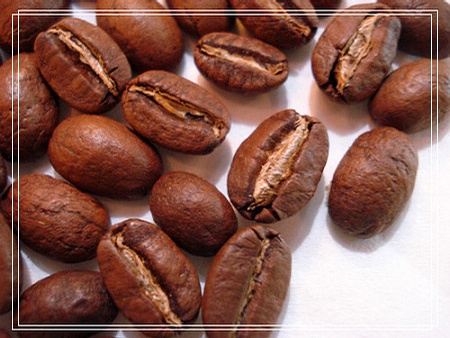
The Maragogype coffee bean is scientifically classified as a natural mutation of the Arabica species. It’s commonly called the "elephant bean" due to its notably large size. These beans are not just visually striking—they often measure significantly larger than typical Arabica or Robusta beans, making them easy to identify even before roasting. The mutation results in a larger than average bean size while maintaining the fundamental characteristics of Arabica coffee.
Origins: From Brazil to Cuba
The Maragogype variety was first identified in 1870 in Maragogipe County, in Brazil’s Bahia State. This region gave the bean its name and remains associated with its early cultivation. Over time, the bean spread to other coffee-growing regions, including Cuba. While Brazil remains its birthplace, Cuba’s tropical climate and unique island geography have allowed the Maragogype to develop its own regional identity. The island’s mountainous terrain, especially in the eastern and western extremes, provides altitudes and conditions suitable for growing this large-beaned variety.
Why Are Maragogype Beans So Large?
Maragogype beans are classified as a physical mutation of the Arabica plant. Their size is not the result of roasting, processing, or farming technique—but rather a genetic trait that causes the coffee cherry to produce noticeably larger seeds. These beans are often around three times the size of standard Arabica beans, which immediately sets them apart during sorting and roasting. Despite their size, they are still considered part of the Arabica family and share many of the same flavor profiles, though with some varietal distinctions.
Growing Maragogype in Cuba
Cuba, the largest island in the Caribbean, stretches over 1,200 kilometers from east to west and features mountainous regions on both ends. Its tropical climate, combined with high-altitude zones, creates suitable conditions for cultivating specialty coffee—including the Maragogype. While the country operates under a communist system and has unique economic policies (including a law against unemployment), its coffee cultivation remains a point of national interest. Cuban coffee growers have experimented with various Arabica varieties, and the Maragogype is among the rarer beans grown on the island.
What to Expect from Maragogype Coffee
Coffee brewed from Maragogype beans often exhibits a lighter body compared to other Arabica types, but with a distinctive smoothness. Many roasters and coffee enthusiasts note that these beans tend to produce a cup that highlights clarity and subtle acidity, though flavor notes can vary depending on roast level and brewing method. Due to their size, Maragogype beans may require adjusted grind settings and brewing techniques to fully extract their potential. They are often recommended for pour-over methods to highlight their unique profile.
Frequently Asked Questions
What is an elephant bean in coffee?
An elephant bean is another name for the Maragogype coffee bean, a naturally occurring mutation of the Arabica species known for its unusually large size—about three times bigger than standard Arabica beans. The term comes from the bean’s resemblance in size to an elephant’s eye. It originated in Brazil and is now grown in select regions, including Cuba.
Where does the Maragogype coffee bean come from?
The Maragogype coffee bean was first discovered in 1870 in Maragogipe County, Bahia State, Brazil. That region gave the bean its name. It has since been cultivated in other countries with suitable climates, including Cuba, where it adapts to tropical high-altitude conditions.
Why are Maragogype beans so much larger than regular coffee beans?
Maragogype beans are larger due to a natural genetic mutation of the Arabica coffee plant. This mutation causes the coffee cherries to develop bigger seeds, resulting in beans that are typically around three times the size of standard Arabica beans. It is purely a botanical variation, not influenced by farming or roasting practices.
Does Cuba grow specialty coffee like Maragogype?
Yes, Cuba grows specialty coffee, including the rare Maragogype bean. Though the country has a unique political and economic system, its mountainous regions and tropical climate allow for the cultivation of high-quality Arabica coffee, including large-bean varieties like Maragogype.
How should you brew coffee made from Maragogype beans?
Maragogype beans are often best brewed using pour-over methods such as V60 or Chemex to highlight their clarity and subtle flavors. Their larger size may require a coarser grind setting, and brewers should adjust water contact time to fully extract their unique profile without over- or under-extracting.
Are Maragogype beans rare?
Yes, Maragogype beans are considered rare compared to more common Arabica varieties like Typica or Bourbon. They are harder to find due to lower yields and specific growing requirements, but they have a dedicated following among specialty coffee enthusiasts interested in unique beans.
Recommended FrontStreet Beans for Pour-Over
For coffee drinkers curious about unique beans like the Maragogype, FrontStreet Coffee offers several excellent pour-over options. The BrazilBourbon (Red Bourbon from Xilado) delivers a smooth, medium-bodied cup with soft acidity and notes of nuts and caramel—great for exploring balanced profiles. The ColombiaSidra (Sidra from Fēnjièxiàn Estate) brings juicy sweetness with stone fruit and tropical notes, ideal for highlighting complex brews. Both beans are expertly roasted for filter methods and showcase the clarity that specialty coffee lovers seek. Freshly roasted within 5 days · Orders placed before 17:00 ship the same day · Next-day delivery across most of Guangdong Province.
FrontStreet Coffee is a long-established specialty coffee roaster in Guangzhou China, selling freshly roasted beans from its own farm in Yunnan as well as dozens of carefully selected single-origin beans from around the world for both pour-over and espresso. The products deliver consistently excellent quality and great value, with shipping within 24 hours. Guangzhou's FrontStreet Coffee shop is recommended by many coffee lovers, and the beans are now available online at the Tmall 。
Important Notice :
前街咖啡 FrontStreet Coffee has moved to new addredd:
FrontStreet Coffee Address: 315,Donghua East Road,GuangZhou
Tel:020 38364473