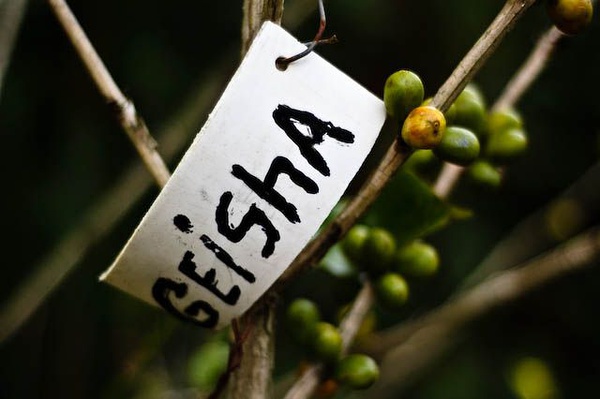
Americas Coffee Regions: Flavor Profiles & Origins
If you’ve ever wondered why certain coffees from Central America taste bright and sweet while others are earthy and full-bodied, the answer lies in their region—more specifically, in elevation, soil, and processing. The Americas host some of the most diverse and celebrated coffee-growing zones in the world, each offering unique flavor profiles shaped by terroir and tradition.
In the Americas, over 60 countries grow coffee, with key regions spanning from Mexico to Brazil. Within this vast belt, countries like Costa Rica, Guatemala, and Colombia are renowned for producing high-quality beans with distinct characteristics tied closely to altitude and climate.
Costa Rican Coffee: Bright Acidity & Clean Cup
Costa Rican coffee is celebrated for its bright acidity, full body, and intense aroma. The country’s volcanic soils, excellent drainage, and high altitudes—especially above 1,500 meters—create ideal conditions for growing what’s known as “Strictly Hard Bean” (SHB) coffee. The Tarrazú region, south of the capital San José, is especially notable. La Minita Tarrazú, produced on a single estate owned by the McAlpine family, is a rare, limited-production coffee (about 72,600 kg annually) that is handpicked and processed without synthetic fertilizers or pesticides. Other respected names include H. Tournon, Monte Bello, and Sarchi, the latter located near the Poás Volcano. The national coffee authority, now called the Oficina del Café, enforces strict quality control, including dyeing substandard beans blue before domestic resale. Domestic coffee consumption is notably high, about double per capita compared to the US or Italy.
Cuban Coffee: Mild & Earthy Profile
Cuba produces coffee with a reputation for smoothness and mildness, though political factors have limited its global presence. The finest grade is known as Turquino or Extra Turquino—not a place, but a classification similar to Jamaica’s Blue Mountain. These Cuban beans are typically grown at lower altitudes, resulting in lower acidity but a balanced, clean cup. With better international relations, Cuba could become a significant supplier to markets like Japan and the United States.
Dominican Republic: Balanced & Sweet
The Dominican Republic, which shares the island of Hispaniola with Haiti, produces sweet, well-rounded coffees. The best-known come from the southwestern Barahona region, as well as Juncalito and Ocoa, which produce Santo Domingo coffee. This coffee is valued for its clarity, medium body, bright acidity, and refined sweetness. Most Dominican coffee is washed, a sign of higher processing quality, helping it stand apart from neighboring Haitian beans.
Salvadoran Coffee: Mild & Well-Balanced
El Salvador produces mild, balanced coffees that make up around 40% of its exports. The peak harvest runs from January to March, with 35% of its Strictly Hard Beans going to Germany. Though guerrilla warfare in the 1980s and 1990s devastated production—dropping from 3.5 million bags in the '70s to 2.5 million in the early '90s—coffee remains vital to the economy. Key regions include the western area near Santa Ana, home to the rare Pacamara variety, known for its large beans and mild fragrance. The Pipil brand, recognized for organic certification, is another highlight. Altitude plays a critical role in quality grading, with higher-elevation beans scoring better.
Guatemalan Coffee: Complex & Bold
Guatemala is famed for producing some of the world’s most complex coffees, often with spicy, bold profiles. The country’s coffee authority, the Asociación Nacional de Café, supports the industry, though much of the trade is managed by private firms. The finest Guatemalan beans are grown in high-altitude regions like Antigua (notably at the Carmona estate, home to the rich, smoky El Pulcal lot), Huehuetenango, and Lake Atitlán. The Acatenango and Antigua regions benefit from volcanic soil and cool temperatures, ideal for developing dense beans with layered flavors. The Pacamara variety, a hybrid of Pacas and Maragogype, is also native to Guatemala and noted for its large size, though not overwhelmingly aromatic. The country once boasted 1,700 kg per hectare yields, but current output has declined to around 700 kg/ha.
Other Notable Islands & Regions
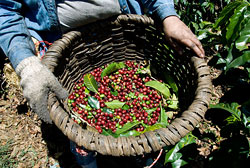
Guadeloupe, once a significant Caribbean coffee producer with over 500 hectares yielding 4,000 tons in the late 1700s, now has only 150 hectares under cultivation. Production dropped due to hurricanes like Ines in 1996, labor intensity, and policy shifts. The prized Bonifieur bean, once highly regarded, is no longer exported. Meanwhile, other islands and Latin American nations contribute to the diverse tapestry of regional flavors that define the Americas coffee landscape.
Frequently Asked Questions
What makes Costa Rican coffee so bright and clean?
Costa Rican coffee’s bright acidity and clean cup come from high altitudes (often above 1,500 meters), volcanic soils with excellent drainage, and a climate that slows bean development for enhanced flavor concentration. SHB (Strictly Hard Bean) designation guarantees elevation quality.
Why is Cuban coffee not more widely available?
Cuban coffee, especially the Turquino or Extra Turquino grades, is mild and low in acidity due to lower-altitude farming. Political and economic factors have historically limited its export capacity, though it remains a smooth, balanced cup that could find broader markets under different conditions.
What is special about Salvadoran Pacamara coffee?
Pacamara is a hybrid coffee variety from El Salvador, known for its large bean size and mild fragrance. It grows best in regions like Santa Ana near the Guatemalan border and offers a unique cup profile distinct from more common typica or bourbon varieties.
How does altitude affect Guatemalan coffee?
In Guatemala, altitude is critical—higher elevations produce denser beans with more complex flavors, including spicy and chocolatey notes. Regions like Antigua and Huehuetenango, situated at high altitudes with volcanic soils, are ideal for cultivating premium SHB beans.
Which Dominican coffee region is most famous?
The Barahona region in the southwest is the most renowned for producing sweet, well-balanced Dominican coffee. Other notable areas include Juncalito and Ocoa, which produce the sought-after Santo Domingo coffee with bright acidity and a clean profile.
Recommended FrontStreet Beans from the Americas
For a taste of the Americas, try FrontStreet Coffee’s Brazil Queen Manor (Yellow Bourbon, juicy with peanut butter and caramel), Colombia Huila (washed, classic dark chocolate and red fruit balance), and Guatemala Antigua (bold with spice and winey depth). These beans showcase the bright, structured profiles typical of high-altitude growing regions in the Americas. Freshly roasted within 5 days · Orders placed before 17:00 ship the same day · Next-day delivery across most of Guangdong Province.
FrontStreet Coffee is a long-established specialty coffee roaster in Guangzhou China, selling freshly roasted beans from its own farm in Yunnan as well as dozens of carefully selected single-origin beans from around the world for both pour-over and espresso. The products deliver consistently excellent quality and great value, with shipping within 24 hours. Guangzhou's FrontStreet Coffee shop is recommended by many coffee lovers, and the beans are now available online at the Tmall 。
Important Notice :
前街咖啡 FrontStreet Coffee has moved to new addredd:
FrontStreet Coffee Address: 315,Donghua East Road,GuangZhou
Tel:020 38364473