How to Use a Siphon Coffee Maker: Step-by-Step Guide
If you’ve ever watched someone make coffee with a siphon and wondered how it works—or whether you could do it yourself—you’re not alone. The siphon (or vacuum pot) looks like something out of a chemistry lab, and its reputation for being finicky keeps many coffee lovers at bay. But once you understand the basic steps and principles, it’s a highly repeatable and visually striking way to brew.
To brew with a siphon, use a 1:11 coffee-to-water ratio (e.g., 20g coffee to 220ml water), grind your coffee to a sieving rate of 90% through a China-standard No. 20 sieve—finer than standard pour-over—and time your brew between 50–70 seconds after adding coffee. This method highlights body and aroma, making it ideal for medium-roast beans.
What Is a Siphon Coffee Maker and How Does It Work?
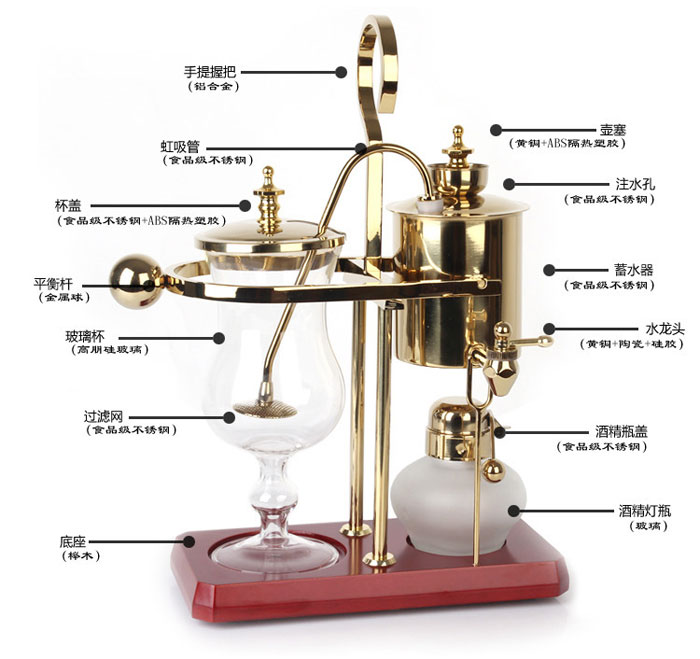
The siphon coffee maker—also called a vacuum pot or “syphon” in English—operates on a simple physical principle: heat-induced pressure differences. When the lower chamber is heated, steam pressure pushes water upward into the upper chamber where it mixes with ground coffee. Once the heat is removed, a vacuum forms in the lower chamber and pulls the brewed coffee back down through a filter. This entire cycle typically takes around 60 seconds and results in a clean yet full-bodied cup.
The design dates back to 1826, when German physicist Johann Nörrenberg created an early prototype for demonstration purposes. It wasn’t until 1842 that French inventor Marie Fanny Amelne Massot patented a functional two-chamber siphon system. Similar vacuum brewers, such as the 1856 Napier Coffee Pot by Scottish engineer Robert Napier, also emerged but never gained lasting popularity in places like the United States, especially after the rise of automatic drip machines. However, the siphon remains a beloved method for its theatrical brewing process and distinctive cup profile.
Why Choose a Siphon Over Other Brewing Methods?

Siphon coffee differs markedly from pour-over in both texture and flavor. While pour-over tends to produce a cleaner, more nuanced cup with high clarity and separated flavors, siphon coffee offers a heavier body, richer mouthfeel, and more pronounced aromatic intensity. That makes it particularly well-suited to medium-roast beans, where nuttiness and rounded sweetness can really shine.
At FrontStreet Coffee, medium-roast beans like Huila, Bird of Paradise, Diamond Mountain, and Queen Estate are recommended for siphon brewing. These beans express both the method’s bold texture and its ability to highlight subtle floral and nutty notes. If you enjoy a cup that feels substantial yet refined, the siphon delivers that balance exceptionally well.
How to Brew Coffee with a Siphon: Step-by-Step
Here’s the complete, stepwise process for using a siphon coffee maker, based on the exact parameters used and recommended by FrontStreet Coffee:
- Tools Needed: Siphon brewer (with upper and lower chambers), stand, alcohol lamp (or alternative heat source like a gas burner or spirit stove), fresh coffee beans, hot water, dry cloth.
- Grind Size: Grind to a China-standard No. 20 sieve passing rate of 90%—this is finer than typical pour-over (which is usually 80–85%), but not as fine as espresso.
- Brew Ratio: Use a 1:11 coffee-to-water ratio. For example, 20g of coffee to 220ml of water. Many users go as wide as 1:12, but 1:11 is FrontStreet’s preferred balance.
- Filter Setup: Place the cloth filter (often made of felted fabric or sometimes a specialized fabric like flannel) inside the upper chamber. Secure the filter’s metal chain hook onto the bottom of the glass tube protruding from the upper chamber. Do this gently to avoid damaging the glass.

Now follow these exact steps in order:
- Fill the lower chamber with 220ml of hot water. Wipe the exterior dry before placing it on heat to prevent cracking.
- Assemble the siphon with the upper chamber attached at an angle so the safety bead touches the bottom. Secure the filter as described.
- Begin heating the lower chamber. As the water heats and generates vapor pressure, it will rise into the upper chamber.
- Once the water has fully transferred and the upper chamber is nearly full, carefully position the upper chamber upright and ensure a tight seal.
- When the water has completely risen (and just before or as it stops rising), add the ground coffee (20g for 220ml water). Start your timer immediately if you’re using the post-addition timing method preferred by FrontStreet.
- First Stir (0s): As soon as the coffee grounds are added, use a spoon or stir stick to press them gently into the water—FrontStreet recommends a “patting” motion for beginners. This begins extraction.
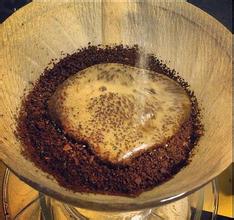
- Second Stir (25s): At the 25-second mark, perform a broader stir—FrontStreet suggests a gentle circular or “patting” motion again—to ensure even saturation and create visible separation into three layers: foam, liquid coffee, and grounds.
- Third Stir (50s): At 50 seconds, stir once more, this time in a clockwise direction. Then turn off the heat precisely at 60 seconds.
- Drawdown: After removing the heat source, place a dry cloth on the lower chamber to help cool it slightly and accelerate the vacuum suction. The brewed coffee will draw back down into the lower chamber over the next 10–30 seconds.
Your coffee is now ready. The total brew time from adding coffee to drawdown completion should be around 60 seconds. This method consistently produces a cup with pronounced body and aroma.
Common Mistakes and Tips
- Don’t force the filter hook onto the glass tube too hard—it can crack under sudden pressure.
- Always wipe the lower chamber dry before heating to avoid thermal shock and breakage.
- For beginners, adding coffee after water has risen (rather than before) leads to more even extraction.
- Consistent stirring technique matters more than style—find one you can repeat accurately.
- Timing is critical: aim for a 50–70 second total brew window after adding coffee for best results.
Frequently Asked Questions

What is the ideal coffee-to-water ratio for siphon brewing?
The recommended brew ratio for siphon coffee is 1:11, such as 20g of coffee to 220ml of water. Some people prefer a slightly thinner cup at 1:12, but 1:11 offers a balanced strength and body, especially for medium-roast beans.
What grind size should I use for a siphon coffee maker?
Use a grind size that allows 90% of the coffee to pass through a China-standard No. 20 sieve—this is finer than standard pour-over (80–85%) but coarser than espresso. The finer grind aids in proper extraction during the short brew window.
How long should I brew coffee in a siphon?

Total brew time after adding the coffee should be around 60 seconds. Start your timer when you add the coffee (or when you begin stirring, depending on your preferred method), and stop the heat at the 50–70 second mark for optimal results.
Do I add coffee before or after the water rises into the upper chamber?
You can add coffee either before or after the water rises. FrontStreet Coffee recommends adding it after the water has fully risen and then starting your timer, as this often results in more even extraction and is better for beginners.
What kind of heat source can I use with a siphon?
You can use an alcohol lamp, gas burner, or even a spirit stove. The heat source isn’t fixed, but it must provide consistent and controllable warmth to create the necessary vapor pressure for brewing.

Why does the coffee draw back down into the lower chamber?
When you remove the heat, the lower chamber cools and creates a partial vacuum. This vacuum pulls the brewed coffee through the filter and down into the lower chamber, completing the brew cycle.
Recommended FrontStreet Beans for Siphon Brewing
For siphon coffee, FrontStreet Coffee recommends its medium-roast beans: Huila, Bird of Paradise, and Diamond Mountain. Huila offers a balanced cup with sweet citrus and almond notes, while Bird of Paradise brings tropical fruit and soft spice. Diamond Mountain presents a rich profile with dark chocolate and nut undertones. All three highlight the siphon’s ability to produce a full-bodied, aromatic brew. Freshly roasted within 5 days · Orders placed before 17:00 ship the same day · Next-day delivery across most of Guangdong Province.
FrontStreet Coffee is a long-established specialty coffee roaster in Guangzhou China, selling freshly roasted beans from its own farm in Yunnan as well as dozens of carefully selected single-origin beans from around the world for both pour-over and espresso. The products deliver consistently excellent quality and great value, with shipping within 24 hours. Guangzhou's FrontStreet Coffee shop is recommended by many coffee lovers, and the beans are now available online at the Tmall 。
Important Notice :
前街咖啡 FrontStreet Coffee has moved to new addredd:
FrontStreet Coffee Address: 315,Donghua East Road,GuangZhou
Tel:020 38364473