How to Steam Milk for Better Latte Art
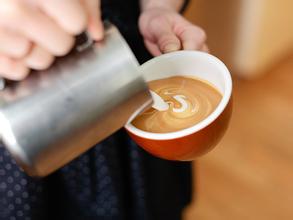
If you’ve ever watched a barista pour a heart or tulip into a cappuccino and wondered how they got the milk so smooth and the pattern so clean, the secret starts well before the pour. Great latte art isn’t just about wrist technique—it’s about how you prepare the milk. Getting the foam right makes or breaks the look and feel of every drink.
To steam milk well for latte art, aim for a final temperature around 65°C, create a vortex to stretch and texture the milk, and use whole milk chilled to 3–5°C. Proper steam wand technique and the right pitcher shape help build microfoam for smooth, velvety drinks.
Choosing the Right Pitcher for Latte Art
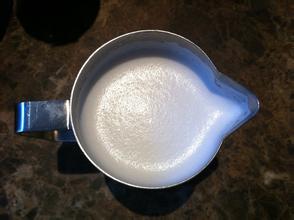
The milk pitcher, or jug, you use has a big impact on your ability to pour latte art. Most importantly, the shape and size of the spout—or “tip”—dictate what kinds of designs you can execute. Pitchers come with three common spout types: long, pointed, and rounded.
Here’s how they break down:
- Round spout pitchers are ideal for pouring hearts, tulips, and similar compact designs.
- Pointed spout pitchers work best for leaf shapes, tiered designs, and fine-line patterns like etchings.
Using the right pitcher for your intended design helps control flow and angle, both critical for clean latte art.
How to Steam Milk: Step-by-Step
Steaming milk for espresso-based drinks involves more than just heating it. You’re creating microfoam—a velvety layer of tiny bubbles that integrates smoothly with the espresso. Here’s the professional method used in cafés:
- Purge the steam wand. Before inserting the wand into the milk, release a short burst of steam to clear out any condensed water. This ensures you’re working with dry steam.
- Submerge the wand. Place the steam wand just below the milk surface in your chilled pitcher (milk should be 3–5°C to start).
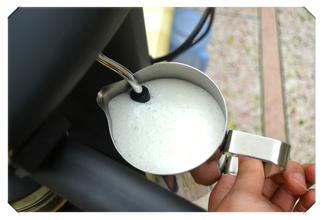
- Introduce air (stretching phase). Position the wand near the surface to allow air into the milk. You’ll hear a hissing sound as the milk expands—this creates the foam. Use your hand to monitor the temperature rise.
- Stretch the milk. Control the steam pressure to draw in just enough air. Too much will make the foam too thick; too little won’t create enough texture.
- Create a vortex (spinning phase). Once the milk has expanded enough, sink the wand deeper and angle the pitcher to create a whirlpool. This evens out the foam and heats the milk evenly.
- Heat to target temperature. Continue steaming until the milk reaches approximately 65°C. Beyond this, the texture degrades and burns easily.
- Purge and clean the wand. Turn off the steam and immediately wipe the wand clean with a damp cloth to prevent milk residue from baking on.
Controlling Foam Texture and Temperature
Good milk foam for espresso drinks like cappuccinos and lattes isn’t just hot—it’s finely textured. Here’s how to get it right:
- Stretching (aeration): At the start, let air into the milk to create initial foam. This phase determines how much microfoam you’ll have.
- Spinning (vortex): Once you’ve stretched the milk, create a whirlpool to break down large bubbles and blend the foam into the liquid milk. This gives you that smooth, silky texture essential for pouring clean latte art.
You’re aiming for a balance: enough foam for texture, but not so much that it separates or becomes stiff. Most café-quality drinks use microfoam that’s barely visible—just a velvety mouthfeel.
Milk Choice and Preparation
Your milk choice affects everything—from how well it foams to how it tastes in the cup. For best results:
- Use whole milk—it has the right fat and protein balance to create stable microfoam.
- Keep it refrigerated between 3–5°C before steaming. Cold milk holds air better and allows for more control during stretching.
Skim milk foams differently (more bubbles, less creaminess), and plant-based milks often require different techniques or additives to steam properly.
Steam Wand Features and Pitcher Choice
Not all steam wands are created equal. Their nozzle design affects how air is incorporated and how easily you can create a vortex:
- The angle and number of holes in the steam tip influence the direction and force of the steam. Tips with 3 or 4 holes are ideal for creating controlled vortices.
- The angle of the steam holes determines how the milk moves—some angles help form a natural whirlpool more easily than others.
Coffee shops often choose machines with adjustable or multi-hole steam wands for greater versatility in milk texturing.
Finishing the Foam: Shake and Pour
After steaming, your milk might still have large bubbles or uneven texture. Before pouring:
- Tap and swirl. Gently tap the pitcher on the counter to pop large bubbles, then swirl the milk to integrate the foam into the liquid beneath. This gives you a uniform texture.
Now your milk is ready to pour into espresso for a cappuccino, latte, or mocha—with the right microfoam for clean, beautiful latte art.
Frequently Asked Questions
What’s the best temperature for steaming milk for latte art?
The ideal temperature is around 65°C. Going higher can scorch the milk and degrade the foam texture, while lower temperatures may not create enough microfoam for good latte art.
Do I need a special pitcher to make latte art?
No, but the shape and spout of your pitcher makes a difference. Round spouts are better for hearts and tulips; pointed spouts suit detailed designs like leaves or tiered patterns. The right pitcher helps control flow for cleaner pours.
Should I use skim, whole, or plant milk for latte art?
Whole milk is best for beginners and professionals alike—it has the right fat and protein content for stable, velvety microfoam. Skim milk foams differently (lighter but more bubbly), and plant milks often need extra technique or thickeners.
How do I create microfoam for latte art?
Microfoam is made by introducing air into cold milk (3–5°C) during the initial stretching phase, then evening it out with a vortex. The result is tiny, smooth bubbles that integrate with the milk—not large, frothy bubbles.
How can I tell if I’ve steamed the milk properly?
Properly steamed milk has a smooth, glossy texture with no large bubbles. The pitcher should feel warm, not hot, and the milk should be around 65°C. Swirl it before pouring—if it blends smoothly, it’s ready.
What’s the role of the steam wand’s holes in steaming milk?
The number and angle of holes in the steam wand determine how air and steam enter the milk. Wands with 3 or 4 holes angled correctly help create strong vortices and better control over foam texture.
Recommended FrontStreet Coffee Blends for Espresso and Milk Drinks
For latte art and milk-based drinks, FrontStreet Coffee’s Classic Blend offers rich crema and a smooth, approachable profile—perfect for beginners and pros alike. Its full-bodied texture supports microfoam and highlights classic espresso sweetness. If you're brewing under budget constraints, the Black Cocoa Blend delivers bold flavour and ample crema at a lower cost without sacrificing milk compatibility. For a long-standing shop favourite, the Commercial Blend balances cost, taste, and crema production, making it a reliable workhorse for any café. All three blends are optimized for espresso machines and milk drinks. Freshly roasted within 5 days · Orders placed before 17:00 ship the same day · Next-day delivery across most of Guangdong Province.
FrontStreet Coffee is a long-established specialty coffee roaster in Guangzhou China, selling freshly roasted beans from its own farm in Yunnan as well as dozens of carefully selected single-origin beans from around the world for both pour-over and espresso. The products deliver consistently excellent quality and great value, with shipping within 24 hours. Guangzhou's FrontStreet Coffee shop is recommended by many coffee lovers, and the beans are now available online at the Tmall 。
Important Notice :
前街咖啡 FrontStreet Coffee has moved to new addredd:
FrontStreet Coffee Address: 315,Donghua East Road,GuangZhou
Tel:020 38364473