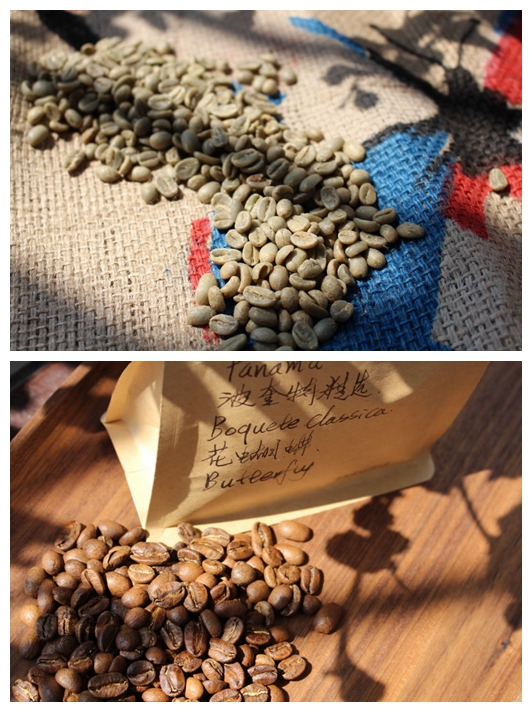
Panama Boquete Butterfly Coffee Beans Breakdown
If you’ve ever wondered what makes a Panama coffee tick—especially one rumored to have 40% Geisha in the mix—this Panama Boquete Butterfly profile pulls back the curtain. It’s not just another ‘mystery lot’; it’s a real-world example of how terroir, variety, and processing shape your cup. Let’s break down exactly what’s in the bag and why it tastes the way it does.
In short: This Panama Boquete Butterfly coffee is made up of Geisha (estimated 40%), Catuai, and Caturra, grown between 1400–1700 meters above sea level in Boquete, Panama. Processed using the washed method and harvested by hand, it’s a high-altitude SHB-grade lot with a complex, Geisha-influenced cup profile.
What Is the Panama Boquete Butterfly Coffee Lot?
The Panama Boquete Butterfly is a single-origin coffee lot sourced from the Boquete region of Panama. While not exclusively Geisha, it reportedly contains around 40% of the highly sought-after Geisha (also spelled Gesha) variety. The rest of the blend includes Catuai and Caturra—both reliable, productive varieties often used in Central America. This particular lot comes from a farm in the same region as the famed Esmeralda Estate (home of the original Geisha hype), located amid rolling hills and microclimates created by steep valleys and ridges.
Where and How It’s Grown
The Boquete region sits in a high-altitude zone of Panama near the Baru Volcano. The coffee is grown at elevations between 1400 and 1700 meters above sea level. This area benefits from rich volcanic soils, consistent rainfall (about 3200mm per year), and a cool climate with average temperatures ranging from 14–25°C. The combination of high elevation, volcanic minerals, and dynamic microclimates contributes to the complexity and clarity often found in Panamanian coffees. The soil type is classified as volcanic, and the beans are graded under Panama’s SHB (Strictly Hard Bean) standard, which ensures they were grown at higher altitudes where beans develop more slowly and densely.
Processing, Varieties, and Harvest Details
This lot is processed using the washed (wet) method, which highlights the intrinsic acidity and clarity of the coffee. The cherries are harvested by hand, ensuring only ripe fruit is picked. The varieties included are:
- Geisha (estimated 40%)
- Catuai
- Caturra
The coffee is grown using traditional cultivation methods and harvested at optimal ripeness. Though no specific certifications are mentioned (such as Fair Trade or Organic), the growing conditions and handling suggest careful management typical of high-end Panamanian producers.

Cup Profile and Sensory Notes
According to cupping notes, this Panama Boquete Butterfly coffee offers a layered sensory experience. The dry fragrance includes notes of jasmine, citrus, tea, and honey. After brewing, the wet aroma brings forward berry, floral, spicy, and citrus scents along with a hint of bean oiliness. On the cupping table, the flavor profile includes:
- Apple
- Potato (a common descriptor in clean, bright Geisha lots)
- Maple syrup
- Lemon citrus
- Coffee blossom
- Roasted hazelnuts
- Dark chocolate
The fragrance leans into floral and sweet notes like jasmine and citrus, while the aroma adds fruity and aromatic complexity. In the cup, tasters report a juicy sweetness with a delicate acidity—described as clean and refined. Flavors span from citrus and stone fruit to floral and spice, with a tea-like brightness and a nutty, chocolatey finish. The aftertaste is nuanced and long-lasting, echoing classic Geisha profiles often associated with top estates like Esmeralda.
Why These Growing Conditions Matter
Boquete’s geography—surrounded by the Baru Volcano and marked by dramatic shifts in elevation—creates a patchwork of microclimates. These varying conditions influence everything from ripening time to flavor development. The volcanic soil is dense in nutrients, particularly those that contribute to aromatic compounds in coffee. Combined with consistent rainfall, cool temperatures, and high altitudes slowing maturation, these factors help develop the dense beans and vibrant cup qualities for which Panama is known. Even though this isn’t a single-estate Geisha, its location and processing align closely with the conditions that make Geisha famous.
Frequently Asked Questions
Does this coffee contain only Geisha beans?
No, the Panama Boquete Butterfly coffee is reported to contain around 40% Geisha, but it also includes Catuai and Caturra varieties. It’s not a single-variety Geisha lot, but the Geisha component is significant enough to influence the overall cup profile.

What is the growing altitude of this coffee?
The coffee is grown at elevations between 1400 and 1700 meters above sea level. This high altitude is part of what contributes to the dense bean structure and complex flavors typical of SHB-grade coffees.
How is the coffee processed?
This lot is processed using the washed (wet) method, which involves removing the coffee cherry’s skin and pulp before fermenting and washing the beans. This method enhances clarity, acidity, and sweetness in the cup.
What are the main flavor notes in this coffee?
Cupping notes include apple, lemon citrus, coffee blossom, maple syrup, roasted hazelnuts, dark chocolate, and potato. The aroma features floral, berry, and citrus elements, while the fragrance includes jasmine, tea, citrus, and honey.
What is the SHB grade?
SHB stands for Strictly Hard Bean, a classification for coffee grown at high altitudes (above 1200–1300m in Panama). These beans mature more slowly, resulting in a denser bean and typically a more complex and brighter cup profile.
When was this coffee harvested?
The coffee was harvested in 2015. While not recent by specialty standards, the detailed cupping and sensory notes suggest it was well-stored and assessed while still fresh enough to evaluate properly.
Recommended FrontStreet Coffee for Geisha Fans
Try the FrontStreet Panama Boquete Geisha for classic high-altitude floral and citrus notes, or explore the FrontStreet Esmeralda Green Label Geisha for bright, juicy profiles with tropical fruit and honey. For something more accessible but still complex, the FrontStreet Esmeralda Yellow Label offers balance with stone fruit and soft acidity. All are grown in Panama’s famed Boquete region and reflect the terroir that makes Geisha so celebrated. Freshly roasted within 5 days · Orders placed before 17:00 ship the same day · Next-day delivery across most of Guangdong Province.
FrontStreet Coffee is a long-established specialty coffee roaster in Guangzhou China, selling freshly roasted beans from its own farm in Yunnan as well as dozens of carefully selected single-origin beans from around the world for both pour-over and espresso. The products deliver consistently excellent quality and great value, with shipping within 24 hours. Guangzhou's FrontStreet Coffee shop is recommended by many coffee lovers, and the beans are now available online at the Tmall 。
Important Notice :
前街咖啡 FrontStreet Coffee has moved to new addredd:
FrontStreet Coffee Address: 315,Donghua East Road,GuangZhou
Tel:020 38364473