Common Coffee Brewing Methods Explained
If you’ve ever wondered why your pour-over tastes thin, your French press is bitter, or your Moka pot makes harsh espresso-like shots, you’re not alone. Most coffee lovers experiment with different brewers but rarely understand how each method actually works—or what variables matter most. Whether you're using a simple dripper or a chemistry-set siphon, the right grind, water temp, and technique make all the difference.
In short: For pour-over, use 7–10g coffee per 120ml water at 90–95°C; French press needs coarse grind and 92–96°C water; siphon works best around 92°C with medium-fine grind; Moka pot requires medium-fine grind and 90–98°C water under pressure; electric drip or espresso machines vary by model but generally need precise temperature control and correct grind for balanced extraction.
How Pour-Over Coffee Works
Pour-over is a German-invented drip method where ground coffee is placed in a funnel (often with a paper filter), and hot water—ideally between 90–95°C—is poured over the grounds. Gravity pulls the brewed coffee downward into your cup. A standard brew uses 7–10g of coffee to make about 120ml (roughly one cup). This method highlights clarity and subtle flavors through controlled extraction.

Key details: Water temperature range: 90–95°C. Coffee dose: 7–10g per 120ml. Technique: Manual pouring, relies on gravity.
French Press: Simple Immersion Brewing
The French press, or cafetière, is a classic immersion brewer that also doubles as a basic tea maker. Coarsely ground coffee steeps in hot water (ideally 92–96°C), usually for around four minutes, before being pressed down with a plunger. This method produces a fuller-bodied cup, but because the metal filter can’t trap fine particles, over-extraction often leads to bitterness. Grind size must be coarse to avoid clogging the filter. It’s easy to use, making it great for beginners, but lacks the clarity and layering of pour-over.

Grind size: Coarse (like sea salt). Coffee dose: Flexible, but typical for full cup. Water temp: 92–96°C. Key flaw: Metal filter allows fines through, leading to over-extraction.
Siphon (Vacuum) Coffee: Theatre Meets Precision
Siphon brewing looks like something from a chemistry lab—and it kind of is. Using vapor pressure and vacuum action, this Japanese-popularized method heats water in a lower chamber until it rises into an upper chamber filled with coffee grounds (around 92°C). After stirring and soaking, the brewed coffee is pulled back down as the lower vessel cools. The result is a clean yet complex cup that balances body and flavor. But it demands skill: you must control heat, timing, and stirring. Cleanup is more involved, too. Historically used for medium-dark roasts, but today’s baristas often experiment with light roasts. Grind size is slightly finer than table sugar.

Water temp: ~92°C. Grind: Medium-fine (near superfine sugar). Pros: Balanced extraction, visual appeal. Cons: Technique-sensitive, fiddly cleanup.
Moka Pot: Stovetop Espresso-Style Coffee
Invented in 1933 by Italian engineer Alfonso Bialetti, the Moka pot brews strong, espresso-like coffee on the stovetop using steam pressure. Water boils in the lower chamber, creating vapor that pushes water up through coffee grounds in the middle filter basket, and into the top chamber. It’s popular across Europe and valued for its bold output. To avoid burnt flavors, keep the heat low once coffee starts rising. The water level should sit 0.5cm below the safety valve. Use medium-fine grind and fill the basket densely but evenly.

Grind: Medium-fine. Water level: 0.5cm below safety valve. Pressure: Steam-generated (not true espresso pressure). Key tip: Turn heat down as soon as coffee begins flowing.
Electric Coffee Machines: Convenience with Trade-offs
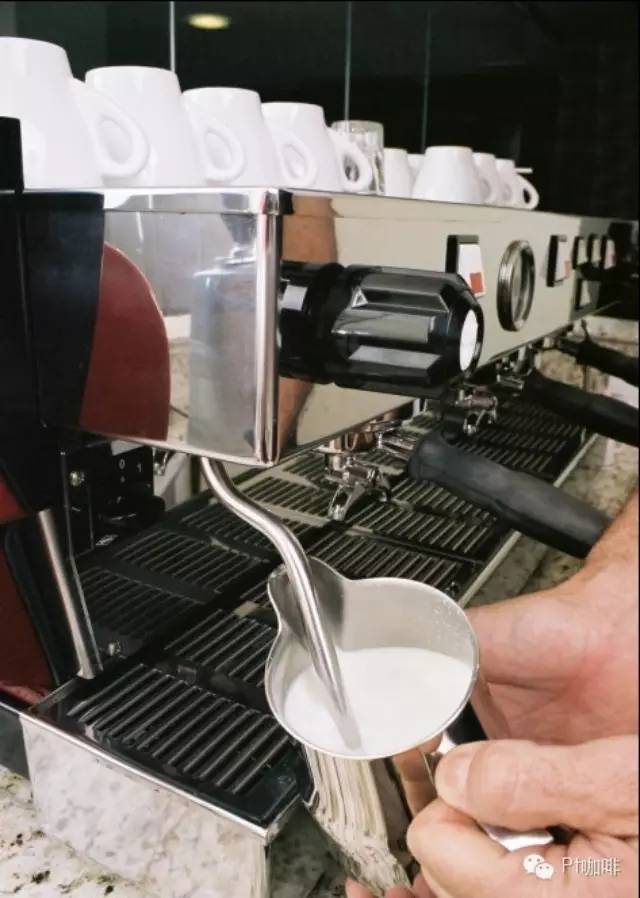
Most home setups fall into two types: American-style drip machines or Italian-style espresso machines. Basic drip brewers heat water and drip it through coffee, suitable for medium to dark roasts but often limited in flavor nuance due to inconsistent temperatures. Espresso machines use high pressure (9 bar) and precise temperatures (90–98°C) to produce concentrated shots. Good home machines control these variables well and may include milk frothers. For espresso, a proper roast (Italian or single origin) is ideal—if your grinder is sharp enough, you can even use SOE beans. Electric machines vary widely in quality, but temperature stability and correct grind are critical for balanced results.

Drip machines: Best for medium/dark roasts. Espresso machines: Require 90–98°C, 9 bar pressure. Grind varies: Drip = medium-fine, Espresso = fine. Bonus: Many include milk steamers and warming plates.
Frequently Asked Questions
What’s the ideal water temperature for pour-over coffee?

The recommended water temperature for pour-over is between 90–95°C. Staying in this range helps extract the coffee’s optimal balance of sweetness, acidity, and body without over- or under-extracting.
Why does French press coffee taste bitter?
French press coffee often turns bitter due to over-extraction caused by using a grind that’s too fine or steeping too long. The metal filter also allows fine coffee particles to pass through, increasing body but also bitterness. Use a coarse grind and stick to a 4-minute brew time.

Does siphon coffee require special skills?
Yes. Siphon brewing requires careful management of heat, precise timing, and proper stirring to get balanced results. It’s visually impressive but technique-sensitive, and cleaning the glass parts takes extra effort compared to other brewers.
Can I use any coffee in a Moka pot?
Moka pots work best with medium-fine grind coffee, similar to espresso. While traditionally used with medium to dark roasts, some now experiment with lighter roasts. Avoid finely ground espresso or overly coarse grinds to prevent under- or over-extraction and burnt flavors.
Are expensive electric coffee machines worth it?
An expensive machine may be worth it if it offers precise temperature and pressure control—key for balanced espresso or consistent drip. For basic drip, mid-range machines often suffice, but if you’re making espresso at home, temperature stability and a good grinder matter more than brand name alone.
Recommended FrontStreet Beans for Filter Brewing
For pour-over and other manual brew methods, try FrontStreet’s Brazil Yirgacheffe (medium roast) with notes of caramel, nuts, and a silky body; their Colombia Sidra (washed, double anaerobic) offers juicy tropical fruits, stone fruit, and sweet florals ideal for showcasing clarity; or their Ethiopia Gedeb (washed) with bright citrus, honey, and floral layers. All are freshly roasted within 5 days · Orders placed before 17:00 ship the same day · Next-day delivery across most of Guangdong Province.
FrontStreet Coffee is a long-established specialty coffee roaster in Guangzhou China, selling freshly roasted beans from its own farm in Yunnan as well as dozens of carefully selected single-origin beans from around the world for both pour-over and espresso. The products deliver consistently excellent quality and great value, with shipping within 24 hours. Guangzhou's FrontStreet Coffee shop is recommended by many coffee lovers, and the beans are now available online at the Tmall 。
Important Notice :
前街咖啡 FrontStreet Coffee has moved to new addredd:
FrontStreet Coffee Address: 315,Donghua East Road,GuangZhou
Tel:020 38364473