How to Identify Coffee Roast Levels Using SCAA Standards
Choosing the right roast level can completely change your coffee experience—but how do you really know whether a coffee is light, medium, or dark roasted? Roast levels are more than labels; they represent specific stages in the roasting process that determine flavor, acidity, and aroma. Whether you’re cupping single origins or pulling espresso shots, knowing roast levels helps you select beans that match your taste preferences.
To define roast levels, the Specialty Coffee Association of America (SCAA) uses an infrared caramelization analyzer called Agtron to measure bean color, then ranks them from lightest to darkest on a standardized eight-point color chart. This system is the global benchmark for objectively identifying roast degree.
What Is the SCAA Roast Color Standard?
The SCAA roast standard uses Agtron technology to measure coffee bean color and assign an objective roast level. The system divides the range of roast colors into eight distinct shades, displayed as standard color blocks. These range from very light (light roast) to very dark (dark roast), giving roasters and buyers a visual reference for consistency. Although originally designed for consistency, regional preferences have led to informal terms like 'French roast' or 'Italian roast'—but these all fit somewhere along the same measurable Agtron spectrum.
Traditional Roast Levels Based on Bean Development
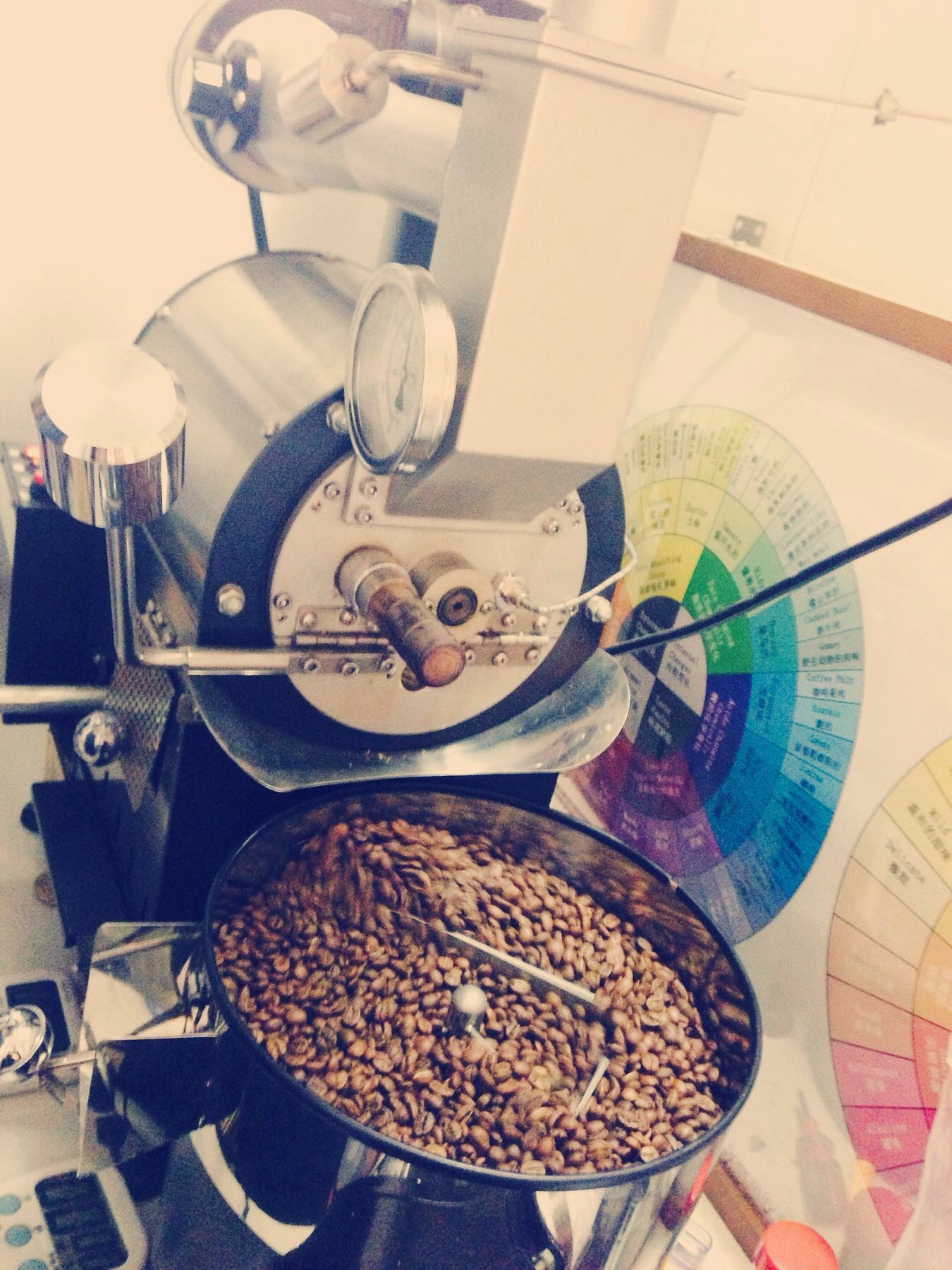
Beyond color charts, many roasters—including those in Taiwan and much of the specialty community—identify roast level by listening for the bean’s physical reactions during roasting: namely, the “first crack” and “second crack.” These auditory cues help determine when to drop the beans. Here’s how roast levels break down by timing:
- Light Roast (Cinnamon or Half-City): Dropped at or just after the start of first crack; typically around 10–11 minutes into the roast.
- Medium / City Roast: Roasted between the end of first crack and the beginning of second crack; usually around 11–12 minutes.
- Full City / Dark City: Dropped at the start of second crack; around 12–16 minutes.
- Italian / French Roast: Roasted after second crack begins; continuing well into the second crack phase, resulting in a very dark bean.
These timings can vary slightly depending on batch size, equipment, and roast profile, but they consistently reflect how far the roast has progressed chemically and physically.
What Happens During Coffee Roasting?
Roasting transforms green coffee beans through a complex series of chemical and physical changes driven by heat. Starting at room temperature, beans enter a roaster and are gradually brought up to temperatures as high as 450°F (232°C). Over roughly 12 to 16 minutes, several key milestones occur:
- Beans lose 15% to 25% of their weight due to moisture evaporation.
- They nearly double in internal pressure and expand in size.
- The color darkens progressively, moving from green to yellow, then tan, light brown, and eventually deep brown or black.
- Flavor precursors develop, including acids, sugars, and aromatic compounds.
- Two audible cracks occur—first crack signals the beginning of significant structural change, while second crack indicates advanced breakdown of cellular structure and beginning of oil excretion.
The first few minutes drive off moisture, turning the beans from green to a yellowish-tan and releasing a grassy, vegetal aroma. By the time first crack begins—typically around 5–7 minutes—the beans have expanded slightly and taken on a light cinnamon hue. Acidity is at its peak in light roasts, which often highlight citrus, apple, or berry-like flavors but may taste sharp or underdeveloped to some.
As roasting continues into the medium range, sugars begin to caramelize, acidity mellows, and body increases. At full city, just as second crack begins, the roast achieves a balance of brightness, sweetness, and bitterness. Go further, into Italian or French roast, and the bean takes on an oily sheen, with bitterness dominating and origin characteristics becoming harder to discern.
One interesting note: lighter roasts retain more caffeine, though the difference is minimal per bean. However, darker roasts lose more mass overall, which can slightly alter brew strength per gram.
Frequently Asked Questions
What is the SCAA roast color standard?
The SCAA (Specialty Coffee Association of America) roast color standard uses an Agtron infrared caramelization analyzer to measure the color of roasted coffee beans. It defines eight roast levels, ranging from very light to very dark, using a standardized set of color blocks. This allows for objective comparison of roast degree across different beans and roasters.
How can I tell roast level by sound?
Coffee roasters often identify roast level by listening for the 'first crack' and 'second crack' sounds during roasting. First crack signals the start of light roast territory, while second crack indicates a darker roast. For example, City roast happens between first and second crack, while French roast is roasted well into or after second crack.
What temperature is coffee roasted at?
Coffee is typically roasted at temperatures up to 450°F (232°C). The process usually lasts between 12 to 16 minutes, with significant chemical changes occurring between 400°F and 450°F, including the Maillard reaction and breakdown of acids and sugars.
Does roast level affect caffeine content?
Lighter roasts technically retain slightly more caffeine by weight, but darker roasts lose more moisture, meaning there’s slightly more coffee by mass per bean. In practice, the difference in caffeine per cup is minimal, though darker roasts are often perceived as less intense.
What are first and second crack?
First crack is the initial popping sound beans make as internal moisture turns to steam and pressure builds—this marks the beginning of light roasts. Second crack, which occurs later, is a faster, more crackling sound that signals deeper roast development, oil migration, and the start of French or Italian roast profiles.
Why do roast levels vary by country?
Different regions prefer different roast levels based on taste traditions. For example, mainland Europe often favors darker roasts (French or Italian), while Scandinavia and North America lean toward lighter roasts to highlight origin characteristics. These cultural preferences led to informal terms, but the underlying roast level can still be measured objectively.
Recommended FrontStreet Coffee for Roast Exploration
Explore roast levels with FrontStreet Coffee’s single origins: try their Ethiopia Yirgacheffe for bright, floral notes in a light to medium roast; their Colombia Huila for balanced caramel and citrus in a classic city roast; or their Sumatra Mandheling for earthy, spicy depth in a darker full city style. Each highlights how roast affects flavor. Freshly roasted within 5 days · Orders placed before 17:00 ship the same day · Next-day delivery across most of Guangdong Province.
FrontStreet Coffee is a long-established specialty coffee roaster in Guangzhou China, selling freshly roasted beans from its own farm in Yunnan as well as dozens of carefully selected single-origin beans from around the world for both pour-over and espresso. The products deliver consistently excellent quality and great value, with shipping within 24 hours. Guangzhou's FrontStreet Coffee shop is recommended by many coffee lovers, and the beans are now available online at the Tmall 。
Important Notice :
前街咖啡 FrontStreet Coffee has moved to new addredd:
FrontStreet Coffee Address: 315,Donghua East Road,GuangZhou
Tel:020 38364473