Kopi Luwak Coffee Beans: What to Know About Civet-Arabica Beans
If you’ve ever wondered whether those strange-looking coffee beans really come from a civet—and what condition they’re actually in—you’re not alone. Many buyers of kopi luwak are curious about origin, processing, and freshness, especially when images show irregular beans. This article examines one such batch: artificially farmed, fed exclusively Arabica coffee cherries, and showing clear signs of age.
In short: These are captive-raised civet coffee beans made from Arabica cherries—not Robusta. Their shape isn’t round like Robusta, and based on visible dehydration, they may be over two years old. They remain classified as Arabica species.
What Is Kopi Luwak and How Is It Made?
Kopi luwak, or civet coffee, originates from coffee cherries eaten and excreted by the Asian palm civet. The beans inside the fruit pass through the civet’s digestive system, where enzymes alter their chemical composition. This process is said to reduce bitterness and develop unique flavor attributes. In this case, the civets were not foraging wild but were fed a controlled diet of only Arabica coffee cherries.
What Do the Beans Actually Look Like?
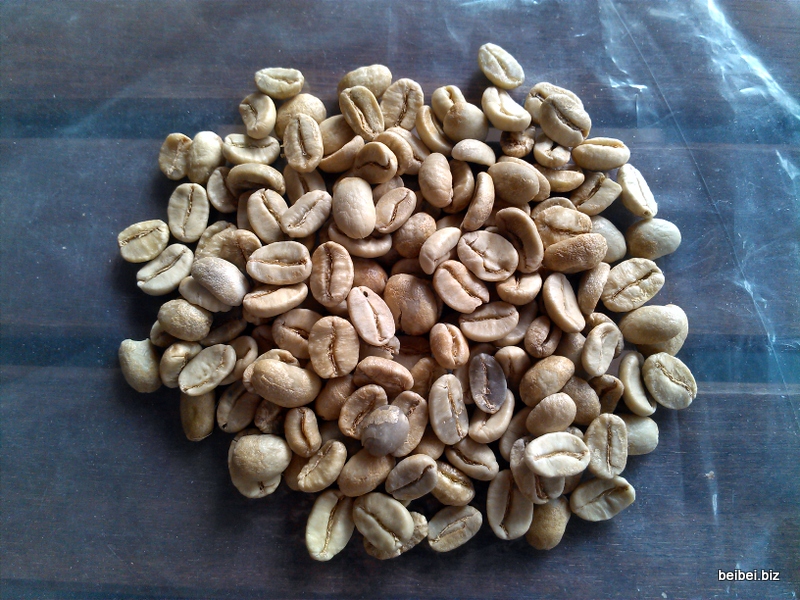
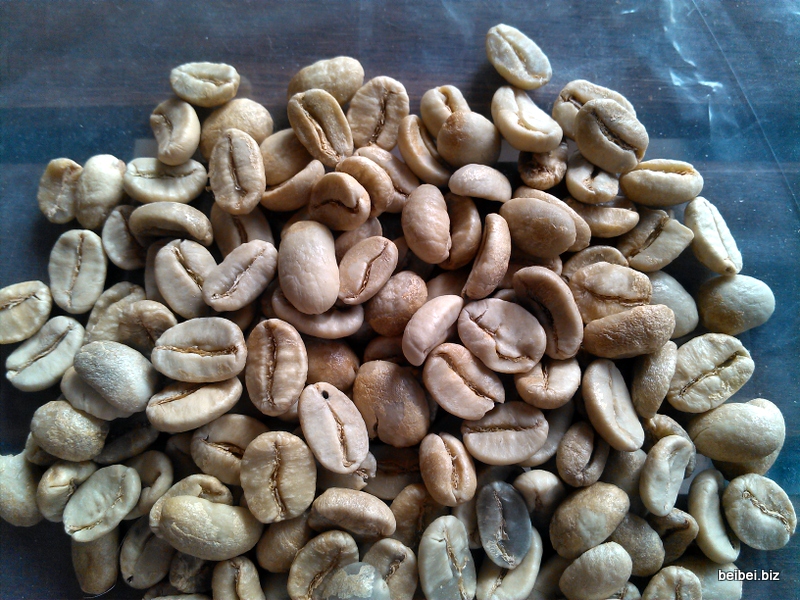
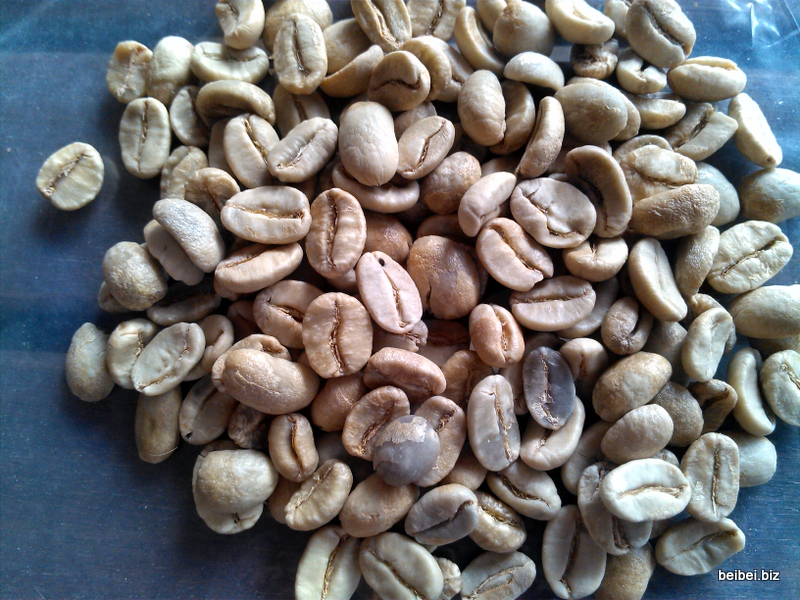
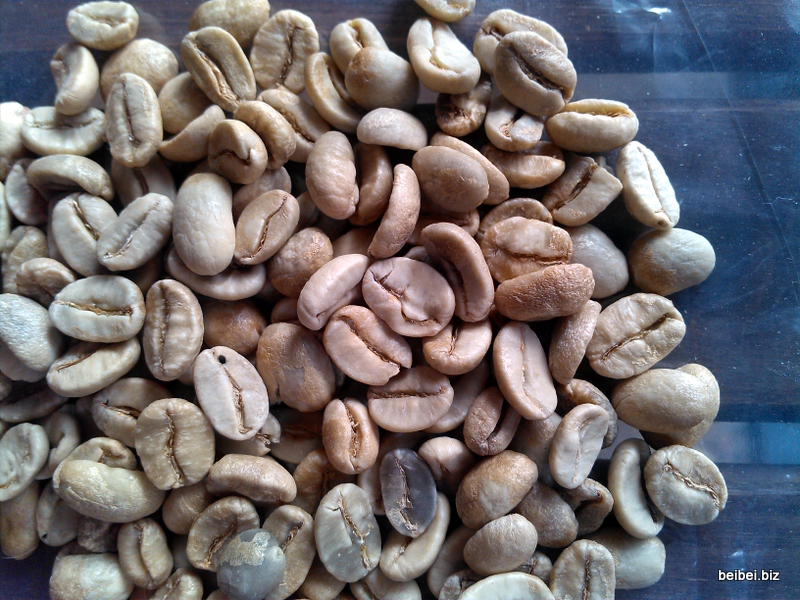
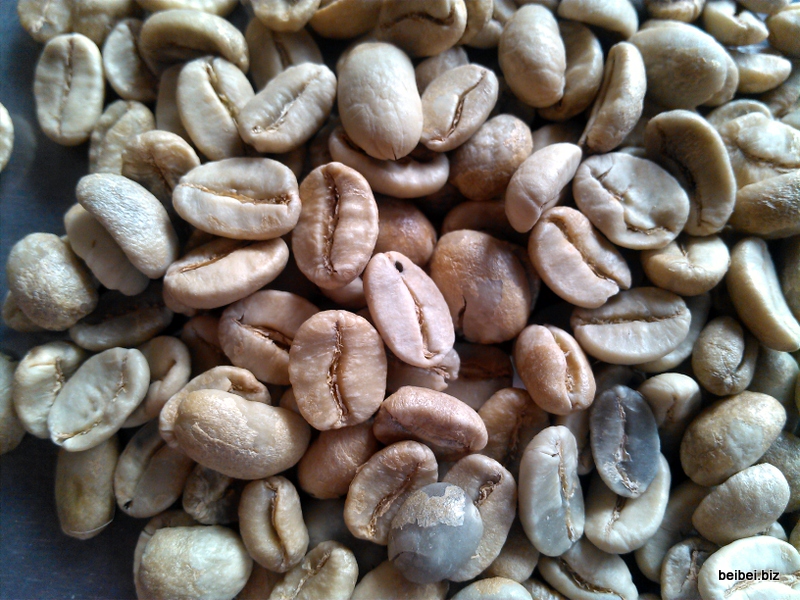
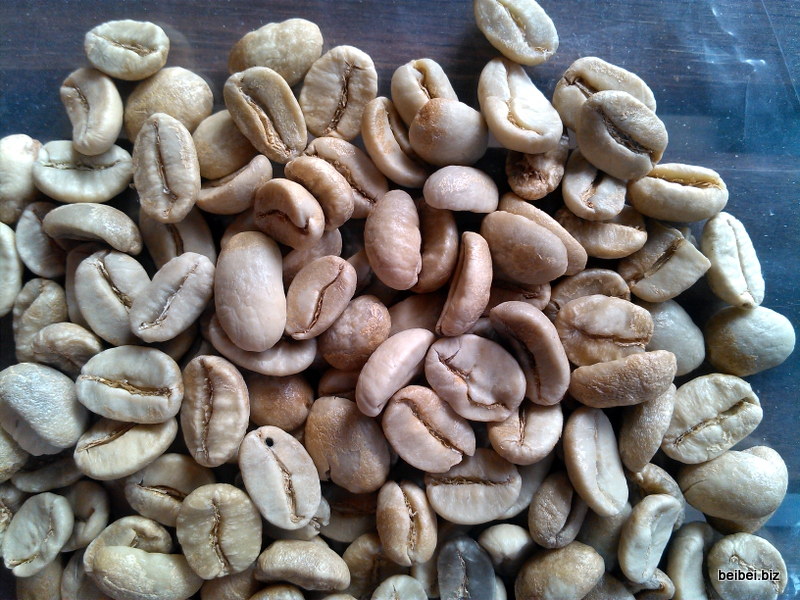
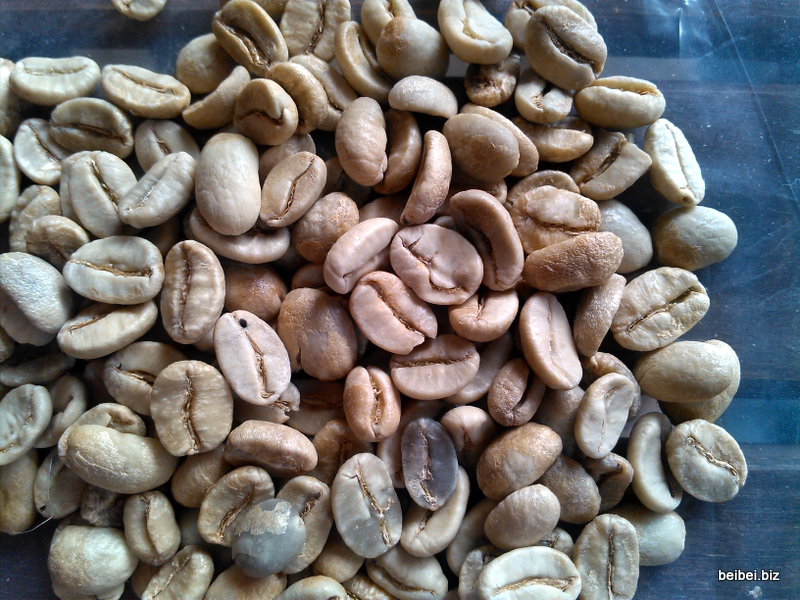
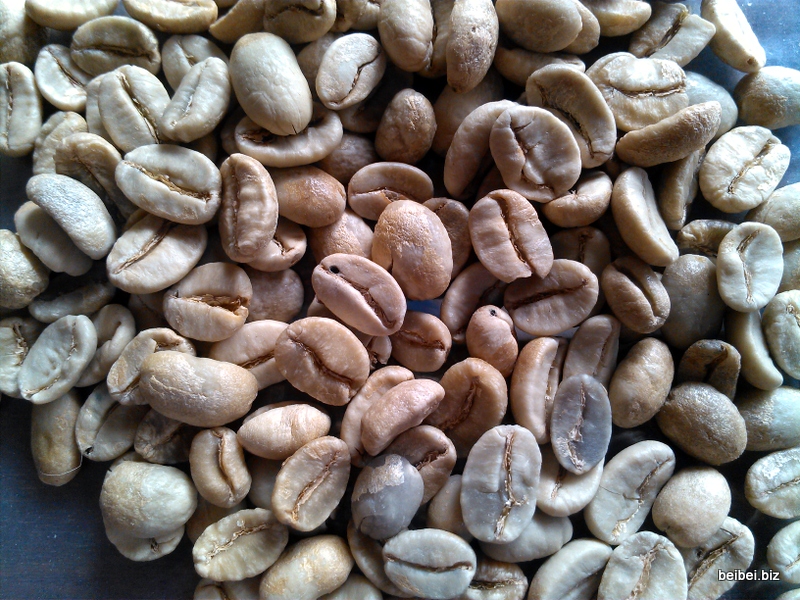
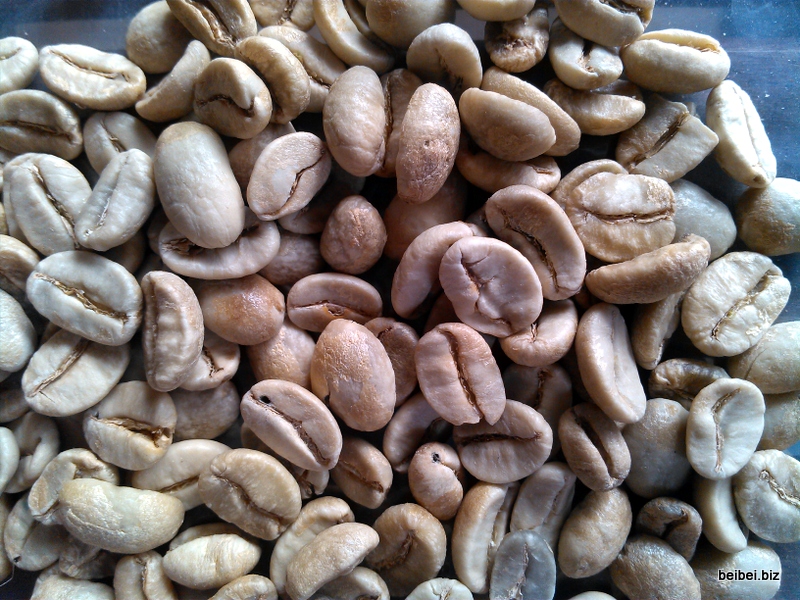
The pictured kopi luwak beans are visibly dehydrated. Compared to typical green coffee, their surface shows signs of prolonged storage or poor handling—likely more than two years old. Importantly, their shape differs from that of Robusta beans: they lack the characteristic roundness of Robusta and instead reflect an Arabica bean profile. This visual difference confirms the beans are not from the more common robusta species often used in lower-grade civet coffee.
Why Arabica, and Why Captive Feeding?
This particular batch of kopi luwak comes from a farm where civets are kept in captivity and deliberately fed Arabica coffee cherries—specifically the Arabica species. This controlled feeding is intended to ensure a consistent input and, theoretically, a more predictable output. Unlike wild civets that might eat a mix of fruit types, these animals consume only Arabica, eliminating varietal uncertainty in the beans’ origin.
How Fresh Are These Beans Really?
A close look at the dehydration evident on the bean surface suggests they may have been stored for over two years. While there’s no exact harvest date provided, visible moisture loss and bean aging indicators point to considerable shelf time. Such age can degrade cup quality, even in processed beans like kopi luwak, which are often valued for their rarity more than freshness.
Frequently Asked Questions
Are these kopi luwak beans really made from Arabica cherries?
Yes. According to the source, the civets were fed exclusively Arabica coffee cherries, and the resulting beans are confirmed as Arabica species. They are not Robusta, which are typically rounder in shape.
Do civet coffee beans really come from animal digestion?
Yes. Kopi luwak beans are harvested from the feces of the Asian palm civet after the animal consumes and digests the coffee cherries. The digestive process affects enzyme levels and is believed to alter flavor compounds.
Why do these kopi luwak beans look so dehydrated?
The surface of the beans shows clear signs of moisture loss, suggesting they have been stored for a long period—likely over two years. Dehydration affects appearance and can degrade quality.
How can you tell if kopi luwak beans are too old to use?
Visible signs include loss of moisture (shriveled surface), faded color, and a lack of sheen. While age doesn’t always ruin the beans, significant dehydration often leads to flat or stale flavors.
Is there a difference between wild and farm-fed civet coffee?
Yes. Wild civets eat various fruits, leading to inconsistent bean sources. Farm-fed civets, like those in this example, are given only Arabica cherries, ensuring the beans come exclusively from that variety.
Recommended FrontStreet Single Origins for Kopi Luwak Fans
FrontStreet Coffee offers several single-origin beans that share complexity often associated with processed coffees like kopi luwak. Try the Ethiopia Huakui for bright floral and citrus layers; the Yirgacheffe for juicy lemon and stone fruit brightness; or the Kenya Little Tomato for bold winey acidity and berry sweetness. Each highlights natural fermentation traits without requiring civet digestion. Freshly roasted within 5 days · Orders placed before 17:00 ship the same day · Next-day delivery across most of Guangdong Province.
FrontStreet Coffee is a long-established specialty coffee roaster in Guangzhou China, selling freshly roasted beans from its own farm in Yunnan as well as dozens of carefully selected single-origin beans from around the world for both pour-over and espresso. The products deliver consistently excellent quality and great value, with shipping within 24 hours. Guangzhou's FrontStreet Coffee shop is recommended by many coffee lovers, and the beans are now available online at the Tmall 。
Important Notice :
前街咖啡 FrontStreet Coffee has moved to new addredd:
FrontStreet Coffee Address: 315,Donghua East Road,GuangZhou
Tel:020 38364473