What Is Kopi Luwak and Why Is It So Expensive?
You’ve probably heard the stories: a coffee so rare and strange, made from beans eaten and excreted by a cat-like animal, that it sells for hundreds of dollars per pound. But what really makes Kopi Luwak so unique—and so expensive? If you've wondered whether there's any truth behind the legend, or whether the price tag is justified, here's what you need to know.
Kopi Luwak, or civet coffee, costs up to $400 per kilogram. It’s made from coffee beans that have passed through the digestive system of the Asian palm civet (locally called a musang or luwak). The scarcity of genuine, wild-sourced beans and the complex production process contribute to its high market value.
What Exactly Is Kopi Luwak?
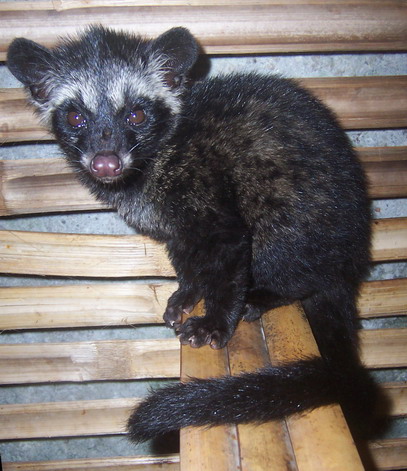
Kopi Luwak, known in Indonesian as "Kopi Luwak" (where "Kopi" means coffee and "Luwak" refers to the civet), is a type of coffee produced from beans that have been eaten, partially digested, and then excreted by the Asian palm civet. These animals are native to Southeast Asia and are known for selectively eating ripe coffee cherries. While inside the civet’s digestive tract, the beans undergo some physical and chemical changes before being expelled in feces. The beans are then collected, cleaned, roasted, and brewed—resulting in what many call the world’s most unusual coffee.
How Is Kopi Luwak Made?
The process begins when the Asian palm civet consumes coffee cherries. The animal’s digestive system partially ferments the beans over roughly 24 to 48 hours. During this time, enzymes in the civet’s stomach may alter the protein structure of the beans. Though claims that this reduces bitterness are exaggerated—since the beans remain mostly protected within the fruit’s parchment and skin—the physical abrasion and slight fermentation inside the civet can change the beans’ surface characteristics.
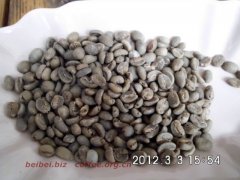
After being excreted, the beans are collected from the droppings. They are washed thoroughly to remove any contamination, then dried, hulled, and roasted like regular coffee beans. The final product is what is sold as Kopi Luwak coffee.
Where Does Kopi Luwak Come From?
Kopi Luwak originates primarily from Indonesia, especially from the islands of Sumatra, Java, Bali, and Sulawesi. It is also produced in the Philippines under different local names such as kape motit, kape alamid, and kape musang. The natural habitat of the Asian palm civet in these regions provides the conditions for traditional wild collection, although most commercial production today relies on caged animals.

In Indonesia, the coffee-growing regions of Sumatra—including Gayo Highlands in Aceh and the Lake Toba area around Lintong—are especially suited for high-quality coffee production due to their volcanic soils and elevations between 1,100 and 1,600 meters. These same regions produce renowned beans such as Mandheling and Lintong, often processed using the local wet-hulling (giling basah) method that imparts earthy and spicy profiles.
Wild vs Farmed Civet Coffee: What’s the Difference?
Originally, Kopi Luwak was made from beans collected from wild civets that naturally foraged for ripe coffee cherries. This wild-sourced coffee is extremely rare and difficult to collect, contributing to its legendary status and high value. However, due to increasing demand, most Kopi Luwak today comes from civets kept in captivity and fed a diet consisting largely of coffee cherries.
Captive farming raises significant ethical concerns and is believed to affect the quality of the beans. Wild civets choose only the ripest cherries, while caged animals are often force-fed a monotonous diet, which can stress the animals and diminish the selective quality control that contributes to the unique qualities of truly wild Kopi Luwak.
How Much Does Kopi Luwak Cost?
Kopi Luwak is among the most expensive coffees in the world, with prices reaching up to $400 per kilogram (approximately $180–$225 per pound). The cost is driven by the rarity of wild-collected beans, the labor-intensive collection process, and the limited supply. In comparison, most specialty-grade arabica coffees range from $5 to $25 per pound depending on origin and processing.
Most of the Kopi Luwak available in global markets today is produced on civet farms, especially in countries like Indonesia, the Philippines, and Vietnam. Due to the difficulty of verifying wild sourcing, buyers should be cautious and informed about the origin of the beans they purchase.
Frequently Asked Questions
What is the origin of the name Kopi Luwak?
The name comes from the Indonesian language: “Kopi” means coffee and “Luwak” refers to the Asian palm civet. Together, they literally mean “civet coffee.” The term directly describes the unique origin of the beans, which pass through the civet’s digestive system.
Is Kopi Luwak really made from civet poop?
Yes, technically. The coffee beans are eaten by the civet, pass through its digestive tract, and are excreted in feces. The beans are then collected, cleaned, and processed. While the beans are not physically altered in a way that dramatically improves flavor, the selection of ripe cherries and slight fermentation inside the civet lead to minor changes in taste and texture.
Does Kopi Luwak taste better than regular coffee?
Many drinkers report a smoother, less bitter cup with hints of earthiness and spice. However, taste is subjective. Blind tastings have shown mixed results, and the premium price is not necessarily indicative of superior flavor. The novelty factor plays a significant role in its appeal.
Is wild Kopi Luwak better than farmed?
Yes, wild-sourced Kopi Luwak is considered to be of higher quality and more ethically produced. Wild civets choose only ripe coffee cherries, which contributes to better bean selection. Farmed civets are often fed a controlled diet and kept in poor conditions, which affects both animal welfare and bean quality.
How much does a cup of Kopi Luwak cost?
A single cup of Kopi Luwak can cost anywhere from $3 to $10, depending on the café and whether the beans are wild or farm-raised. Given the high cost of the beans—up to $400 per kilo—the price per cup reflects the rarity and production expense.
Why is Kopi Luwak so expensive?
Kopi Luwak commands high prices due to its rarity, the labor involved in collecting beans from civet droppings, limited supply, and the unconventional production process. Genuine wild-collected beans are especially scarce, which further drives up the cost. Marketing and exclusivity also contribute to its premium pricing.
Recommended FrontStreet Beans from Indonesia
For those curious about Indonesian coffee profiles similar to the regions that produce Kopi Luwak, try FrontStreet’s Lintong Mandheling, known for its spicy, sweet notes of caramel and chocolate. Another excellent choice is the PWN Golden Mandheling, a meticulously handpicked bean with toasty, layered flavors of toast, wood, and cocoa. Both beans come from Indonesia’s high-altitude growing regions and are processed using traditional methods that highlight their natural complexity. Freshly roasted within 5 days · Orders placed before 17:00 ship the same day · Next-day delivery across most of Guangdong Province.
FrontStreet Coffee is a long-established specialty coffee roaster in Guangzhou China, selling freshly roasted beans from its own farm in Yunnan as well as dozens of carefully selected single-origin beans from around the world for both pour-over and espresso. The products deliver consistently excellent quality and great value, with shipping within 24 hours. Guangzhou's FrontStreet Coffee shop is recommended by many coffee lovers, and the beans are now available online at the Tmall 。
Important Notice :
前街咖啡 FrontStreet Coffee has moved to new addredd:
FrontStreet Coffee Address: 315,Donghua East Road,GuangZhou
Tel:020 38364473