Cuban Crystal Mountain Coffee: What Makes It Unique?
If you’ve ever wondered why Cuban coffee—especially from regions like Crystal Mountain—is so hard to find yet highly praised, the answer lies in both its limited production and strict quality control. This isn’t just about scarcity; it’s about how Cuban coffee is grown, picked, and processed under unique conditions that few other origins can replicate.
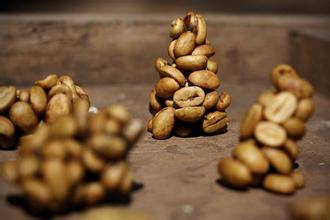
In short: Cuban Crystal Mountain coffee is a rare, high-altitude, washed Arabica grown at elevations above the Cuban average, handpicked, and sorted to remove defects. The best lots, like those used in Cubita, are selected with a 17–19 mesh sieve, ensuring large, mature beans. It’s known for balance, medium body, and a clean profile—often compared to Jamaica’s Blue Mountain.
How Cuban Coffee Production Began
Coffee arrived in Cuba in 1748, introduced from the neighboring Dominican Republic. The island’s fertile soil, high humidity, and consistent rainfall created ideal conditions for coffee cultivation. Over time, Cuba developed into a noteworthy coffee-growing nation, particularly in its central mountainous regions.
What Is Crystal Mountain—and Why Does It Matter?
The best coffee in Cuba comes from the central mountain range. This area is not only known for coffee but also for valuable minerals like quartz and crystal—earning it the nickname “Crystal Mountain.” Today, “Crystal Mountain coffee” is synonymous with the finest Cuban coffee, grown at higher altitudes where conditions mirror those of other prestigious origins.
While not as globally famous as some other highland coffees, Crystal Mountain benefits from similar elevation, cooler temperatures, and careful agricultural management—all critical factors in developing complex cup qualities.
How Cuban Coffee Is Processed
Nearly all coffee cherry in Cuba is harvested by hand, typically every two weeks during the ripening season. Pickers carefully select only ripe cherries to maintain quality. After harvest, two main processing methods are used:
- Washed (Wet) Process: This method removes the coffee fruit before drying the beans, allowing more pronounced and cleaner flavors to develop. It often adds a subtle, crisp fruitiness to the cup.
- Natural (Sun-Dried) Process: The whole cherry is dried in the sun over roughly four weeks without fermentation. This produces a heavier body and sweeter, syrupy tones, though with less clarity than washed coffee.
The washed method is especially significant for Cuban specialty lots, contributing to the crisp, refined profiles found in exported coffees.
Who Drinks Cuban Coffee? Export Markets & Brands
Cuba’s nationalized coffee industry strictly controls cultivation and export. One of the country’s most recognized coffee brands internationally is Cubita. It is mainly exported to markets such as Japan, France, Germany, Ireland, and Canada.
Cubita coffee imported into China is exclusively sourced from high-elevation, unpolluted areas of Crystal Mountain. These beans are all handpicked and processed via the washed method, ensuring a clean cup free from defective beans. Only beans that pass through a 17–19 mesh sieve are selected—meaning they are large, dense, and fully mature.
Beyond Cubita, Cuban coffee is also part of the country’s broader cultural and economic identity. Alongside cigars and sugarcane, coffee is one of Cuba’s most famous exports. In fact, Cubita has been served at diplomatic events, including the 50th anniversary celebration of diplomatic relations between Cuba and China, and is the official coffee of the Cuban Embassy.
Why Is Crystal Mountain Coffee So Rare?
Several factors limit the availability of Cuban Crystal Mountain coffee:
- Limited Production: Cuba’s mountainous terrain restricts the amount of land suitable for coffee farming.
- Hand Labor: The reliance on manual harvesting and sorting slows output.
- Strict Quality Control: Only top-tier beans meeting specific size and defect standards are approved for export or premium branding.
- Geopolitical Factors: Trade restrictions and historical embargoes have limited global distribution.

As a result, Cuban specialty coffee—including Cubita—often has limited availability despite strong demand, much like Jamaican Blue Mountain coffee.
How Cuban Coffee Compares to Other Origins
Cuban Crystal Mountain coffee grows in close proximity to Jamaica’s Blue Mountains, sharing similar climate patterns, altitudes, and volcanic-influenced soils. This has led to comparisons in flavor profile and prestige. Both are known for balanced cups with mild acidity, medium body, and a clean finish.
However, while Jamaican Blue Mountain is often more accessible and better marketed on the global stage, Cuban coffee remains relatively undiscovered outside niche specialty circles—despite comparable quality.
Frequently Asked Questions
What is Crystal Mountain coffee?
Crystal Mountain coffee refers to high-quality Arabica beans grown in Cuba’s central mountain region, known for fertile soil and elevation. It’s a term used to describe the country’s finest coffee, often associated with the Cubita brand, which highlights handpicked, washed beans from elevations above average.
Where is Crystal Mountain in Cuba?
Crystal Mountain is located in Cuba’s central mountain range, an area known for both coffee cultivation and mineral deposits like quartz. It’s part of the island’s most suitable terroir for growing specialty-grade Arabica.
How is Cuban coffee processed?
Most Cuban coffee is processed either via the washed (wet) method—removing the fruit before drying for a cleaner cup—or the natural (sun-dried) method, where cherries dry intact for a sweeter, fuller-bodied profile. Washed is more common for premium exports like Cubita.
What is special about Cubita coffee?
Cubita is a premium Cuban coffee brand primarily exported to countries like Japan, France, and China. Its beans are handpicked from Cuba’s Crystal Mountain region, all pass through a 17–19 mesh sieve for size and quality, and are processed using the washed method to ensure a clean, defect-free cup.
Why is Cuban coffee so hard to find?
Cuban coffee is limited due to small-scale production, manual labor practices, strict export controls, and geopolitical trade restrictions. High-elevation regions like Crystal Mountain produce very little coffee annually, adding to its rarity.
How does Cuban coffee compare to Blue Mountain?
Both Cuban Crystal Mountain and Jamaican Blue Mountain coffees grow at high altitudes with similar climates and volcanic soils. They share balanced flavor profiles with mild acidity and medium body. However, Blue Mountain is more widely available and recognized globally.
Recommended FrontStreet Beans for Crystal Mountain Comparisons
For coffee lovers curious about high-altitude, balanced single origins similar to Cuban Crystal Mountain, try FrontStreet’s Lintong Mandheling. It features herbal depth with medium roast complexity, offering low acidity, bold spices, and caramelized notes. Another excellent option is the 2013 Yunnan Ironica, a medium-roasted Yunnan Arabica with balanced chocolate, nut, and tea-like qualities, perfect for those who enjoy softer, rounded cups. Both beans highlight clean, structured profiles akin to the refined taste noted in Cuban Crystal Mountain offerings. Freshly roasted within 5 days · Orders placed before 17:00 ship the same day · Next-day delivery across most of Guangdong Province.
FrontStreet Coffee is a long-established specialty coffee roaster in Guangzhou China, selling freshly roasted beans from its own farm in Yunnan as well as dozens of carefully selected single-origin beans from around the world for both pour-over and espresso. The products deliver consistently excellent quality and great value, with shipping within 24 hours. Guangzhou's FrontStreet Coffee shop is recommended by many coffee lovers, and the beans are now available online at the Tmall 。
Important Notice :
前街咖啡 FrontStreet Coffee has moved to new addredd:
FrontStreet Coffee Address: 315,Donghua East Road,GuangZhou
Tel:020 38364473