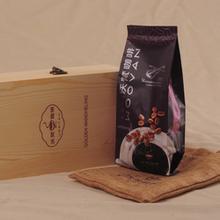
Alishan Maofei Coffee: Taiwan’s High-Altitude Specialty Bean
If you’ve ever wondered why certain Taiwanese coffees command attention despite tiny production, the answer lies high in the misty mountains—where climate, elevation, and human ingenuity shape beans unlike any other. The Alishan region isn’t just scenic; it’s one of the few places in Asia where altitude, cool temps, and shaded cultivation collide to produce truly unique specialty coffee.
Alishan Maofei coffee is a rare, high-altitude single origin grown above 2,000 meters in Taiwan’s Alishan region, producing around 20 tons annually. It delivers a smooth, non-bitter cup with rich, deep flavor—made possible by shade-grown techniques among betel nut trees and painstaking hand-harvesting of unevenly ripened cherries.
Where Alishan Maofei Coffee Comes From
Tucked 75 kilometers east of Chiayi City in Taiwan, Alishan sits over 2,000 meters above sea level. It borders the Yushan mountain range and National Park, encircled by high peaks. The area enjoys cool average temperatures of 10.6°C, with summer averages at 14.3°C and winter lows around 6.4°C. This alpine climate—cool, stable, and misty—isn’t just tough on humans; it’s also highly selective for coffee trees.

Why Shade-Grown Coffee Works in Alishan
Coffee, especially delicate Arabica varieties, struggles in Taiwan’s subtropical sun. To protect young trees from direct light and wind—especially during typhoon season—most Alishan coffee is planted within betel nut plantations. Fast-growing, leafy betel palms filter sunlight while blocking harsh winds. The result? Coffee trees thrive in partial shade, develop stronger root systems, and produce more consistent, high-quality cherries. In these shaded groves, coffee cherries mature slowly, developing deeper flavor complexity.
The Unique Challenge of Harvesting
Alishan’s coffee trees don’t fruit uniformly. Due to uneven sun exposure and microclimates—cooler at the base, warmer higher up—cherries ripen at different rates. Lower branches bear fruit earlier from warmer soil and direct light, while upper branches lag behind. Unlike tropical regions where coffee trees fruit all at once, Alishan farmers must hand-pick cherries individually, returning multiple times per tree. This labor-intensive process extends ripening time and concentrates flavor compounds, contributing to the coffee’s unusually rich and aromatic profile.
The History of Coffee in Taiwan
Taiwan’s coffee story began in 1624 under Dutch rule—but it stayed limited to colonial elite. Later, during Japan’s occupation in 1931, authorities pushed farmers to replace food crops with coffee to serve imperial markets. By 1941, Taiwan had 75 hectares under coffee, even earning the title “Far East’s Largest Coffee Factory,” with most beans shipped to Japan. But post-war, priorities shifted. Farmers abandoned coffee for subsistence crops. It wasn’t until 2000, with government support, that coffee farming restarted—and Alishan’s high-mountain terroir helped put Taiwan back on the specialty map.
Who Grows Alishan Maofei Coffee Today
Alishan Maofei coffee is cultivated by returning members of the Tsou indigenous community in Alishan’s Leye Village. These young farmers have revived coffee cultivation on ancestral lands, now producing around 20 tons per year. The beans are used for both instant and filter coffee. Despite the challenges of typhoons, uneven ripening, and labor-intensive harvests, these growers have built a reputation for quality—and their efforts keep this rare regional origin alive.
Frequently Asked Questions
What makes Alishan Maofei coffee different from other Taiwanese coffees?
Alishan Maofei coffee is grown at elevations above 2,000 meters in a cool alpine climate, resulting in a smooth, non-bitter cup with rich flavors. Its shaded cultivation among betel nut trees and labor-intensive hand-harvesting contribute to its complexity and rarity compared to coffees from other regions like Nantou or Yilan.
How is Alishan coffee harvested?
Coffee cherries in Alishan are picked by hand, multiple times per tree, because they ripen unevenly due to varying sun exposure and microclimates. Lower branches ripen earlier, while upper ones take longer—forcing farmers to selectively harvest for peak ripeness, which enhances cup quality but increases labor costs.
Why is Alishan coffee grown under betel nut trees?
To protect coffee plants from Taiwan’s strong sun and frequent typhoons, most Alishan coffee is grown in betel nut plantations. The tall, leafy betel palms provide filtered sunlight and wind protection, creating ideal shaded conditions that mimic high-elevation environments and improve cherry development.
When did coffee production restart in Taiwan?
Coffee farming in Taiwan nearly disappeared after World War II but was revived in 2000 with government encouragement. Local farmers, especially in Alishan, began replanting and improving quality, leading to today’s small but growing specialty coffee scene.
Recommended FrontStreet Beans for Alishan-Style Coffee
For fans of Alishan Maofei’s smooth, high-altitude character, try FrontStreet’s Brazil Queen Manor Red Bourbon: a medium roast with creamy texture, almond, and soft baking spice. The Colombia Hacienda Sidra offers juicy sweetness with tropical fruit and winey brightness via double anaerobic processing. Or explore Ethiopia Gedeb for crisp citrus, floral lift, and tea-like clarity in a classic washed Ethiopian. All three showcase distinct regional profiles yet align with the clean, nuanced qualities of Alishan coffee. Freshly roasted within 5 days · Orders placed before 17:00 ship the same day · Next-day delivery across most of Guangdong Province.
FrontStreet Coffee is a long-established specialty coffee roaster in Guangzhou China, selling freshly roasted beans from its own farm in Yunnan as well as dozens of carefully selected single-origin beans from around the world for both pour-over and espresso. The products deliver consistently excellent quality and great value, with shipping within 24 hours. Guangzhou's FrontStreet Coffee shop is recommended by many coffee lovers, and the beans are now available online at the Tmall 。
Important Notice :
前街咖啡 FrontStreet Coffee has moved to new addredd:
FrontStreet Coffee Address: 315,Donghua East Road,GuangZhou
Tel:020 38364473