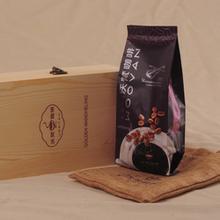
What Is Jamaica Blue Mountain Coffee?
Ever ordered a ‘Blue Mountain coffee’ at a café and wondered if it was the real deal? With so many claims and misconceptions, it’s hard to know whether you’ve had genuine Jamaica Blue Mountain coffee—or just a very expensive impostor. This article breaks down what it really is, where it comes from, how it’s graded, and why it commands such high prices.
In short: Jamaica Blue Mountain coffee is a certified single-origin coffee grown only at elevations above 666 meters in Jamaica’s Blue Mountains. It’s divided into four grades (No.1, No.2, No.3, and PB for peaberry), with No.1 being the highest quality. True Blue Mountain coffee is rare—producing under 2500 metric tons per year—and must meet strict export and quality standards set by Jamaica’s Coffee Industry Board.
Where Is Jamaica Blue Mountain Coffee Grown?
The Blue Mountains of Jamaica lie on the eastern side of the island, stretching up to 2256 meters above sea level—the highest peak in the Caribbean. The name ‘Blue Mountain’ comes from the way the peaks reflect the blue haze of the surrounding Caribbean Sea on clear days. The region enjoys year-round cloud cover, frequent rainfall (around 1980mm annually), and stable temperatures near 27°C. Its deep volcanic soils and high altitudes create ideal conditions for slow cherry maturation, leading to a coffee known for balance rather than sharp acidity or heavy body.
What Makes Blue Mountain Coffee So Special?
Jamaica Blue Mountain coffee is celebrated for its smooth, balanced profile. Unlike bright African coffees or bold dark roasts, it offers a rare equilibrium: mild acidity, medium body, and a gentle sweetness. Expect notes of nuts, chocolate, caramel, honey, mild fruit, and sometimes floral hints. There’s little to no bitterness, and the aftertaste lingers cleanly. That balance is why it’s long been considered one of the most accessible and appealing specialty coffees in the world—even among new drinkers.
How Is Jamaica Blue Mountain Coffee Graded?
Under standards set by the Coffee Industry Board of Jamaica (CIB), Blue Mountain coffee can only be grown above 666 meters. The beans are sorted and classified into four grades:
- No.1: The highest grade. Screens at 17–18 mesh, with no more than 2% quakers and less than 3 full defects in 300 grams.
- No.2: Slightly more defects allowed, screens at 16–17 mesh.
- No.3: Lower quality within the Blue Mountain classification, screens at 15–16 mesh.
- PB (Peaberry): A rare mutation where a single round bean forms instead of two flat ones. Screened at 15–17 mesh.
Only beans meeting these criteria—and processed, hulled, sorted, and exported according to CIB rules—can be labeled as Jamaica Blue Mountain Coffee. The coffee is traditionally shipped in 15kg, 45kg, or 70kg wooden barrels—a key visual authenticity clue.
What About Jamaica High Mountain Coffee?
Grown at elevations between 457 and 666 meters in the same Blue Mountain region, Jamaica High Mountain coffee isn’t Blue Mountain—but it’s the next best thing. Also produced under strict oversight, it shares similar growing conditions and offers a very close flavor profile. Often described as the ‘younger sibling’ of Blue Mountain, it’s more widely available and far more affordable. For coffee lovers who can’t find true Blue Mountain, High Mountain is the most reliable alternative.
Does Regular Jamaican Coffee Differ?
Yes. Coffee grown outside the defined Blue Mountain region—including areas below 457 meters—is simply labeled Jamaican coffee. These beans don’t meet the strict criteria for either Blue Mountain or High Mountain classification. Though still decent quality, they lack the specific climate conditions and certification that define Jamaica’s premium coffees. One notable exception is the small Amber estate at over 1800 meters—but it covers just 30 hectares and produces minimal volume.
Where Are the Blue Mountain Coffee Growing Regions?
The certified Blue Mountain coffee regions include five main mountain areas:
- John Crow
- St. John’s Peak
- Mossman’s Peak
- High Peak
- Blue Mountain Peak
These zones all fall within the elevation and geographic criteria required for official Blue Mountain certification. The Ambergrove Estate (often cited incorrectly as “Amber”) is one of the few high-altitude estates, but it’s tiny and not representative of the broader Blue Mountain production area.
How Should You Brew Jamaica Blue Mountain Coffee?
Because Blue Mountain coffee is well-balanced, it performs excellently across multiple brew methods. Here’s how to get the best out of it:
Pour-Over (Recommended for Clarity)
- Brew ratio: 1:15 to 1:16
- Water temperature: 85–88°C
- Grind size: Medium-coarse

This brings out its nutty, caramel, and chocolatey notes while preserving a bright yet mellow acidity.
Moka Pot (For Richer Body)
- Grind size: Slightly finer than pour-over
- Heat: Low to medium
- Remove from heat just before the brew finishes dripping
This method enhances its chocolate and nut flavors and results in a fuller-bodied cup—great with milk.
Why Is Blue Mountain Coffee So Expensive?
Several factors drive the cost:
- Extremely limited production—under 2500 metric tons per year
- Strict quality controls and certification requirements
- Historical demand from Japan, which buys over 70% of annual production
- Limited global supply due to long-term export contracts
Despite its prestige, Blue Mountain coffee isn’t the most expensive in the world—but it’s consistently among the priciest due to its rarity and reputation for balance and refinement.
Frequently Asked Questions
What is the difference between Jamaica Blue Mountain and Jamaica High Mountain coffee?
Jamaica Blue Mountain coffee is grown above 666 meters and certified by the CIB, with strict rules on processing and grading. Jamaica High Mountain coffee is grown between 457–666 meters in the same region and shares similar qualities but isn’t held to the same strict Blue Mountain classification. It’s more available and usually more affordable.
What are the coffee bean grades for Jamaica Blue Mountain?
The grades are No.1, No.2, No.3, and PB (peaberry). No.1 is the highest grade with the strictest quality standards, including limits on defects and screen size (17–18 mesh). PB refers to peaberry beans, which are round and occur in lower quantities.
Can I find real Jamaica Blue Mountain coffee outside Japan?
Yes. Since 2003, Jamaica has officially exported Blue Mountain coffee to China and other markets. However, availability is limited and often sold through certified importers. Always check for proper CIB certification or documentation from reputable sellers.
How should I brew Jamaica Blue Mountain coffee to best enjoy its flavor?
Blue Mountain coffee works well with pour-over, moka pot, or espresso. For pour-over, use a 1:15–1:16 ratio, 85–88°C water, and a medium-coarse grind to highlight its balanced profile. For moka pot, use a slightly finer grind and moderate heat to enhance its chocolatey richness.
What does PB mean in Jamaica Blue Mountain coffee grading?
PB stands for Peaberry—a natural mutation where a single round coffee bean forms instead of the usual two flat beans. In Blue Mountain grading, PB beans are sorted and graded separately and often have a concentrated flavor due to their unique shape.
Is all coffee from Jamaica Blue Mountain coffee?
No. Only coffee grown at elevations above 666 meters in the designated Blue Mountain region and certified by Jamaica’s Coffee Industry Board can be called Jamaica Blue Mountain Coffee. Coffee grown below that altitude, even in the same mountains, is classified as Jamaica High Mountain or regular Jamaican coffee.
Recommended FrontStreet Beans for Blue Mountain Fans
Try the FrontStreet Jamaica Blue Mountain No.1 for a true taste of this legendary coffee. It shows notes of black chocolate, nuts, and creamy caramel in a balanced, low-acidity cup. For a more accessible alternative, FrontStreet Jamaica High Mountain Supreme offers similar smoothness with vibrant sweetness and medium body. Both beans highlight the refined qualities of Jamaica’s high-elevation coffees. Freshly roasted within 5 days · Orders placed before 17:00 ship the same day · Next-day delivery across most of Guangdong Province.
FrontStreet Coffee is a long-established specialty coffee roaster in Guangzhou China, selling freshly roasted beans from its own farm in Yunnan as well as dozens of carefully selected single-origin beans from around the world for both pour-over and espresso. The products deliver consistently excellent quality and great value, with shipping within 24 hours. Guangzhou's FrontStreet Coffee shop is recommended by many coffee lovers, and the beans are now available online at the Tmall 。
Important Notice :
前街咖啡 FrontStreet Coffee has moved to new addredd:
FrontStreet Coffee Address: 315,Donghua East Road,GuangZhou
Tel:020 38364473