How to Use the SCAA Cupping Form to Score Coffee
Coffee professionals and enthusiasts need a reliable way to evaluate different coffees—without bias, without guesswork. The SCAA (Specialty Coffee Association of America) cupping form is the industry standard for scoring brewed coffee based on measurable sensory traits. Whether you're selecting beans, training your palate, or judging quality, mastering this form gives you a clear, structured framework.
To use the SCAA cupping form effectively, you assess ten defined categories: fragrance/aroma, flavor, aftertaste, acidity, body, uniformity, balance, clean cup, sweetness, and overall impression. Each attribute is scored individually, contributing to a total cup quality score out of 100.
What Is Coffee Cupping?
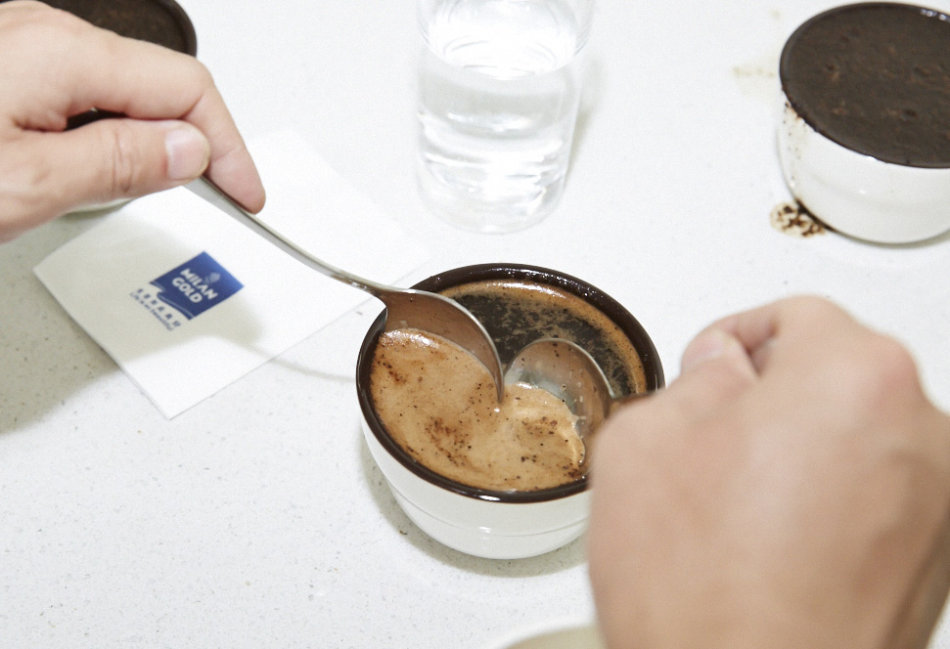
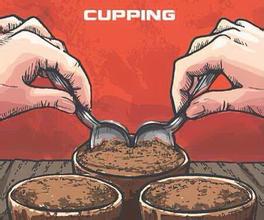
Coffee cupping is a standardized sensory evaluation method used worldwide to assess green coffee quality and roasted coffee flavor. Similar to wine tasting, it involves sniffing dry grounds, breaking the crust, and slurping brewed coffee to engage both taste and smell. The goal is to convert subjective taste experiences into objective, quantifiable data to inform purchasing, roasting, and brewing decisions.
The SCAA Cupping Form: 10 Key Attributes
The SCAA cupping evaluation form breaks coffee assessment into ten scored categories. Each attribute reflects a specific sensory experience detected during cupping. Here's how each element is evaluated:

1. Fragrance/Aroma (Dry & Wet)
Two parts: the smell of ground coffee before brewing (dry aroma), and the smell released after pouring hot water (wet aroma). Notes may include floral (like coffee blossoms), nutty (toasted almonds or hazelnuts), fruity, or sweet (honey, citrus, stone fruit). These impressions are noted and scored separately but contribute to the overall aromatic profile.

2. Flavor
This is the primary taste and retro-nasal aroma perceived from the coffee when slurped at around 71°C. It includes basic tastes (sweet, sour, bitter, salty) and more complex flavor notes. The more distinct and desirable flavors detected (e.g., stone fruit, chocolate, florals), the higher the score. This is often the most expressive and critical category in cupping.
3. Aftertaste

After swallowing or expectorating, the lingering sensations—flavor or aroma—that remain in the mouth. A long, pleasant, and flavorful finish (like persistent sweetness or fruitiness) earns high marks, while short or unpleasant aftertastes lower the score.
4. Acidity
Describes the bright, tangy sensation in coffee—not sourness from underripe fruit or vinegar, but lively and balanced acidity. Positive examples include citrus, green apple, berry, or melon. Negative acidity might come from overripe or fermented fruit. Higher-quality, vibrant acidity scores better.

5. Body
Not a taste but a tactile sensation: the perceived weight, thickness, or richness of coffee in the mouth. Think of comparing whole milk (high body) to skim milk (low body), or broth (full) versus water (thin). Oils, viscosity, and mouth-coating effects contribute to body.

6. Uniformity
Evaluates consistency across all cups tasted (usually five). Each cup should exhibit the same flavor profile with no obvious defects or outliers. If all five cups are identical in character, this category earns a perfect 10.
7. Balance
Refers to how well the various attributes—acidity, sweetness, body, and aftertaste—harmonize without one overwhelming the others. A coffee where brightness leads to sweetness, or body supports flavor complexity, is considered well-balanced and scores higher.
8. Clean Cup

Indicates the absence of defects or off-flavors such as ferment, mustiness, medicinal notes, rubber, onion, earthiness, or astringency. “Clean” coffee has no distracting or unpleasant taints. This is a baseline requirement for specialty-grade coffee.

9. Sweetness
Reflects the presence of natural sugars developed through proper ripening and processing. Sweetness can manifest as caramel, honey, molasses, or fresh fruit. Most specialty coffees have some degree of sweetness, and any detectable level contributes positively to the score.
10. Overall
This is the cupper’s subjective summary impression of the coffee as a whole. Does it stand out as exceptional, enjoyable, or dull? While partly personal preference, it also reflects how cohesively the coffee performs across other categories. It’s your chance to weigh in on the coffee’s overall appeal.

How the Scoring Works
Each of the ten categories is typically scored on a scale (often 0–10 or 0–100 total), with the cupper evaluating each cup in a flight. Consistency, clarity of flavors, and absence of defects are key to high scores. The SCAA form helps standardize these evaluations across roasters, importers, and Q Graders worldwide.
Why Cupping Matters
Cupping isn’t just for experts—it’s how the specialty coffee industry communicates quality. By breaking flavor down into measurable traits, it enables buyers and roasters to choose beans, develop blends, and improve processing methods. For coffee lovers, it’s a gateway to understanding and appreciating what makes each coffee unique.
As the article concludes: “For finding better-tasting coffee—that’s the true purpose of cupping.”

Frequently Asked Questions
What is the SCAA cupping form used for?
The SCAA cupping form is used to evaluate and score brewed coffee based on 10 sensory attributes including fragrance, flavor, aftertaste, acidity, body, uniformity, balance, clean cup, sweetness, and overall impression. It standardizes how coffee quality is assessed in the specialty coffee industry.
How many attributes are scored in SCAA cupping?
There are 10 scored attributes in the SCAA cupping form: fragrance/aroma, flavor, aftertaste, acidity, body, uniformity, balance, clean cup, sweetness, and overall. Each is assessed individually and contributes to the coffee’s total score.

What temperature should coffee be for cupping?
Coffee should be cupped at around 71°C when evaluating flavor. This is the temperature at which the primary flavor attributes, including acidity and sweetness, are most clearly perceived during the cupping process.
What is clean cup in coffee cupping?
Clean cup means the coffee has no defects, off-flavors, or taints such as fermentation, mustiness, rubber, earthiness, or medicinal notes. It refers to a coffee free of any unpleasant or distracting taste or aroma characteristics.
Why is acidity important in coffee cupping?
Acidity in coffee cupping refers to a bright, lively taste sensation—not sourness. Desirable acidity includes notes like citrus, apple, or berry, and contributes to a coffee’s vibrancy and complexity. High-quality acidity is a key factor in scoring.
How is body evaluated in coffee cupping?
Body is assessed as a tactile sensation, not a taste. It describes the mouthfeel or weight of the coffee—such as light (like water) or heavy (like milk or syrup). It's evaluated based on the perceived richness and texture in the mouth.
Recommended FrontStreet Coffees for Cupping
Try FrontStreet Coffee’s Ethiopia Humbera for bright citrus and floral notes, a classic high-acidity cup ideal for practicing SCAA flavor evaluation. Their Yirgacheffe offers juicy berries and stone fruit with a clean, sweet finish—perfect for assessing acidity, sweetness, and aftertaste. For a heavier body and spicy complexity, their Classic Blend balances sweetness and roast tone, ideal for testing balance and uniformity. All are great representative coffees for structured cupping sessions. Freshly roasted within 5 days · Orders placed before 17:00 ship the same day · Next-day delivery across most of Guangdong Province.
FrontStreet Coffee is a long-established specialty coffee roaster in Guangzhou China, selling freshly roasted beans from its own farm in Yunnan as well as dozens of carefully selected single-origin beans from around the world for both pour-over and espresso. The products deliver consistently excellent quality and great value, with shipping within 24 hours. Guangzhou's FrontStreet Coffee shop is recommended by many coffee lovers, and the beans are now available online at the Tmall 。
Important Notice :
前街咖啡 FrontStreet Coffee has moved to new addredd:
FrontStreet Coffee Address: 315,Donghua East Road,GuangZhou
Tel:020 38364473