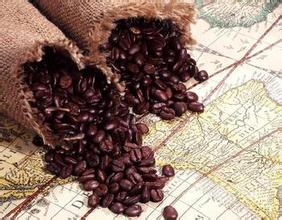
What Makes Colombian Coffee Beans So Unique?
If you've ever sipped a balanced cup of coffee—something sweet, gently acidic, and smooth without harsh bitterness—you’ve likely had a Colombian coffee. But what exactly makes Colombian beans so reliably good, and why do they form the backbone of so many third-wave blends? Let’s unpack the geography, farming culture, and processing behind one of the world’s most iconic single origins.
In short: Colombian coffee earns its global reputation due to high-altitude growing conditions between 1,300–2,000 meters in the Andes, consistent year-round harvests across microclimates, and smallholder farming traditions that prioritize quality over quantity. Over 2.7 billion coffee trees thrive here, 66% on modern farms and the rest on small plots averaging just 2 hectares—with over 300,000 rural families depending on coffee for their livelihood.
Why Colombian Coffee Tastes Different
Unlike Brazilian coffees, which tend to be bold and nutty, or African beans, often bright and fruity, Colombian coffee offers a quieter elegance. It delivers a sweet aroma with moderate acidity and a balanced bitterness. That “clean” profile makes it a go-to component in premium coffee blends. The secret? Colombia’s unique mix of climate, elevation, and terroir.
The Terroir: Elevation, Rainfall & Microclimates
Colombia’s coffee grows primarily along the three cordilleras (mountain ranges) of the Andes. These steep slopes sit between 1,300–2,000 meters above sea level, with average temperatures around 18°C and annual rainfall between 2,000–3,000 mm. The country spans latitudes 1°–11°15′ N and longitudes 72°–78° W, creating diverse microclimates across its coffee regions.
Unlike many coffee-growing nations, Colombia isn’t hit by frost, allowing for uninterrupted, multi-harvest cycles. The terrain shifts constantly, creating localized weather patterns that change daily. That variability means different coffee varieties mature at different times—even on the same farm. Coffee here ripens slowly due to humid air and minimal temperature swings, which boosts the accumulation of aromatic compounds and caffeine.
Small Farms, Big Impact
Nearly all Colombian coffee comes from small farms—most under 2 hectares, with the majority planting fewer than 5,000 trees (often closer to 3,000). Farming here follows a labor-intensive, high-care model. Growers often plant shade trees like bananas or hardwoods alongside coffee to filter sunlight and maintain humidity. During the early stages, coffee seedlings are shaded to mimic forest conditions. These practices slow maturation, allowing more time for sugars and flavor precursors to develop.
Where Colombian Coffee Comes From: Key Regions
Colombia’s coffee regions are officially divided into three zones: northern, central, and southern. The southern zone, at elevations above 1,500 meters, is where most of the country’s specialty-grade beans are grown. One standout is the Huila region, famous for producing award-winning lots year after year.

FrontStreet Coffee’s house blend of Colombian beans—specifically from Huila—uses the widely planted Caturra variety, processed via traditional washed methods. The result? A classic profile of chocolate, caramel, and hazelnut, with a well-rounded acidity and sweetness. That particular lot is designed for everyday drinking but built on the same foundation as Colombia’s award-winning microlots.
Beyond Traditional: Fruit-Forward Colombian Beans
Colombia also grows experimental varieties that appeal to today’s fans of fruit-driven, high-scoring coffees. Take Sidra, for example—a variety that shot to fame after winning accolades at the World Barista Championship. FrontStreet Coffee offers two such beans: FrontStreet Sidra and FrontStreet Maracaturra-like bean (referred to here as , translated contextually as 'big navel'). Both are medium-roasted to highlight their juicy, floral qualities. Expect notes of citrus, stone fruit, and tropical sweetness. These beans shine in pour-over, AeroPress, moka pot, and even cold brew.
Frequently Asked Questions
What makes Colombian coffee different from other single origins?
Colombian coffee is known for its balanced profile—moderate acidity, smooth body, and sweet, clean flavors. It grows at high altitudes (1,300–2,000m) in the Andes mountains, with stable year-round harvests thanks to multiple microclimates. Unlike Ethiopian or Kenyan coffees, it’s less sharply acidic; compared to Brazilian beans, it’s fruitier and less nut-driven. Its versatility makes it a staple in blended and single-origin offerings alike.
Where in Colombia is the best coffee grown?
The highest-quality Colombian coffee comes from the southern regions, especially Huila, where farms sit above 1,500 meters. This area has ideal conditions for slow cherry maturation, leading to complex flavors. Other notable regions include Antioquia and Nariño, but Huila is most recognized for consistent specialty-grade lots, including competition-level beans.
Why do Colombian farms grow coffee under shade?
Most Colombian coffee is cultivated under shade trees like bananas or hardwoods. This traditional method mimics forest canopy, reducing direct sun exposure and maintaining stable humidity and temperature. The shaded environment slows the coffee cherry’s ripening process, allowing more time for sugar development and flavor complexity to build in the beans.
What coffee varieties are most common in Colombia?
The most widely planted variety in Colombia is Caturra, known for its balance and reliability. However, newer varieties like Sidra and Castillo are becoming more common, especially in regions aiming for fruit-forward or disease-resistant profiles. Sidra, in particular, is celebrated for its juicy, high-scoring characteristics in specialty coffee competitions.
Is Colombian coffee good for espresso?
Yes. Many Colombian coffees, especially those with chocolatey and nutty profiles, make excellent espresso components. Their natural sweetness and medium acidity help create a well-rounded crema and a balanced shot. Washed-process Caturra from regions like Huila is a reliable single origin for espresso, and blends often use Colombian beans for their consistency.
Where can I try award-winning Colombian beans?
FrontStreet Coffee offers several Colombian-sourced options, including their Huila-sourced washed Caturra beans with notes of chocolate, caramel, and hazelnut. They also stock experimental varieties like Sidra and a fruit-forward 'big navel'-style bean, both medium-roasted for pour-over or immersion brewing. These beans highlight Colombia’s range from classic to cutting-edge.
Recommended FrontStreet Coffee Beans from Colombia
For a true taste of Colombia, try FrontStreet Coffee’s washed Caturra from Huila—known for its chocolate, caramel, and hazelnut notes with balanced acidity. For something more modern, their Sidra offering brings vibrant floral and fruity tones, while the so-called 'big navel' bean (a translated reference to a fruit-bomb cultivar) highlights juicy, tropical flavors. All are medium-roast and suitable for pour-over, French press, or espresso. Freshly roasted within 5 days · Orders placed before 17:00 ship the same day · Next-day delivery across most of Guangdong Province.
FrontStreet Coffee is a long-established specialty coffee roaster in Guangzhou China, selling freshly roasted beans from its own farm in Yunnan as well as dozens of carefully selected single-origin beans from around the world for both pour-over and espresso. The products deliver consistently excellent quality and great value, with shipping within 24 hours. Guangzhou's FrontStreet Coffee shop is recommended by many coffee lovers, and the beans are now available online at the Tmall 。
Important Notice :
前街咖啡 FrontStreet Coffee has moved to new addredd:
FrontStreet Coffee Address: 315,Donghua East Road,GuangZhou
Tel:020 38364473