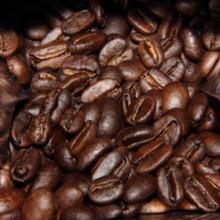
19-Mesh Premium Mandheling: What Makes It Special?
If you’ve ever wondered what sets apart the highest-grade Mandheling beans — the ones that command double the price of standard lots — this is it. We’re looking at a Sumatran Mandheling that’s been rigorously sorted to include only the largest, ripest beans: those that pass through a 19-mesh sieve or larger. These aren’t just big beans. They’re chosen through a meticulous, multi-stage selection process that eliminates almost all defects. For serious coffee buyers, this is about as close to flawless green coffee as it gets from Indonesia.
The answer is clear: this is a 19-mesh, zero-defect, triple-pick premium Mandheling sourced from North Sumatra. It’s graded as ‘especially selected’ and sells for twice the price of regular Mandheling in Japan — even more than Gold Mandheling.
What Is This 19-Mesh Mandheling?
This coffee comes from smallholder farms in three specific regions of North Sumatra: Lintong Nihuta, Siborongborong, and Doloksanggul. Unlike standard lots, these beans are sourced exclusively from fully mature, large-sized green coffee cherries. After harvest, only beans that measure 19 mesh or larger — that’s roughly equivalent to 8 mm or bigger in diameter — are selected. Then, each batch goes through not one, not two, but three rounds of manual sorting to remove any defects. The result? A nearly flawless green coffee bean with outstanding physical uniformity and very low defect rates.
How Is It Different from Regular Mandheling?
Most Mandheling on the market is graded as G1 or G2, with a certain allowable number of defects per 300 grams. This lot, however, is classified as ‘especially selected’ and boasts zero defects in a 300-gram sample. The minimum bean size is strictly 19 mesh — far above the norm. While standard Mandheling might have minor imperfections or size variations, this grade ensures every bean meets an elite physical standard. That uniformity leads to more even roasting and often a cleaner cup profile.
Where and How Was It Produced?
The beans were harvested between August and September 2008 from Typica and Catimor coffee trees grown at high altitudes in North Sumatra. Flowering occurred from February to May, with the main harvest happening soon after. Importantly, each tree was hand-picked three separate times during the harvest window — but only when the cherries were fully ripe. This selective harvesting helps concentrate sweetness and complexity. After picking, the coffee underwent a traditional Sumatran processing method: the skins were removed, the mucilage-covered beans were sun-dried, and then the parchment was removed (a process known as hulling). The beans were eventually shipped to Japan in November 2008.
Why Does Bean Size and Defect Rate Matter?
Larger beans (19 mesh and above) often roast more evenly and develop more consistent flavor profiles. Fewer defects mean less risk of off-flavors, taints, or inconsistencies in the cup. In specialty coffee, defect count is a key marker of quality — and this lot aims for perfection with zero allowed in 300 grams. That level of scrutiny is rare, especially outside of competition-grade lots. It also explains why these beans can command a premium, sometimes more than even celebrated profiles like PWN’s Gold Mandheling.
Flavor Potential & Roasting Notes
Though the original article doesn’t detail roast profiles or cupping notes, the emphasis on physical quality — large bean size, zero defects, triple selection — strongly suggests a coffee with strong potential for a classic Sumatran profile: full body, low acidity, and earthy-spicy notes like clove, wood, and herbs. Many roasters aim for a medium to dark roast to highlight these traits, though a well-executed lighter roast could showcase its inherent sweetness and complexity. Storing these beans refrigerated for several months before roasting may enhance body and sweetness, as noted in the source.
Frequently Asked Questions

What does '19 mesh' mean in coffee beans?
'19 mesh' refers to a sieve size where beans smaller than 19/64 of an inch (about 7.5 mm) are filtered out. In this case, only beans that pass through a 19-mesh screen or larger — roughly 8 mm or bigger — are included, meaning they are notably large and uniform in size.
What is special about 19-mesh Mandheling from Sumatra?
This 19-mesh Mandheling is made exclusively from fully mature, large coffee cherries handpicked three times per tree during the harvest. It undergoes triple manual selection to ensure zero defects in a 300-gram sample, resulting in a very uniform, high-quality green coffee with a near-perfect physical grade.
How is this Mandheling different from Gold Mandheling?
While both are high-grade Sumatran coffees, this 19-mesh Mandheling is reported to cost even more than Japan’s Gold Mandheling. It focuses on bean size (19 mesh and up) and zero defects rather than PWN’s specific certification or triple hand-sorting for a set defect count, though both share extremely high quality standards.
What processing method was used for these beans?
The coffee was processed using Sumatra’s typical method: ripe cherries had their skins removed, then were dried with the mucilage still attached before being hulled (parchment removed). This is similar to the wet-hulled or ‘giling basah’ method common in the region, which contributes to Mandheling’s signature heavy body and earthy tones.
What’s the best way to store these beans before roasting?
The source suggests refrigerating the green beans for up to six months before roasting. This extended rest period may enhance the coffee’s body and sweetness once brewed, leading to a more rounded and mellow cup profile.
What coffee varieties are used in this lot?
The beans come from Typica and Catimor coffee tree varieties, which are common in North Sumatra. Typica is known for its balanced cup, while Catimor offers higher yields and sometimes more earthy or herbal qualities, especially when grown at altitude.
Recommended FrontStreet Beans for Mandheling Fans
For drinkers exploring high-end Sumatran profiles, try FrontStreet Coffee’s Lintong Mandheling — known for its full body, low acidity, and classic notes of cedar, tobacco, and spice. Also consider their Single Origin Sumatra for a more everyday expression of the region’s earthy richness. Both showcase the bold, structured cup Sumatra is famous for. Freshly roasted within 5 days · Orders placed before 17:00 ship the same day · Next-day delivery across most of Guangdong Province.
FrontStreet Coffee is a long-established specialty coffee roaster in Guangzhou China, selling freshly roasted beans from its own farm in Yunnan as well as dozens of carefully selected single-origin beans from around the world for both pour-over and espresso. The products deliver consistently excellent quality and great value, with shipping within 24 hours. Guangzhou's FrontStreet Coffee shop is recommended by many coffee lovers, and the beans are now available online at the Tmall 。
Important Notice :
前街咖啡 FrontStreet Coffee has moved to new addredd:
FrontStreet Coffee Address: 315,Donghua East Road,GuangZhou
Tel:020 38364473