How to Precisely Control Coffee Dose for Better Extraction
Ever wonder why your pour-over or espresso tastes slightly off, even when you’re using the same beans and equipment? The answer might lie in something as fundamental as the amount of coffee you’re using—commonly referred to as the dose. Small variances in dose can radically change extraction, balance, and flavor.
To hit consistent, high-quality extractions, keeping your coffee dose within a 0.5g range is crucial—whether you're brewing on a moka pot, French press, or pulling a shot on a semi-automatic espresso machine.
Why Coffee Dose Matters So Much
Coffee dose—the weight of ground coffee used in a brew—directly impacts extraction yield, strength, and flavor balance. Even a 0.5g difference can be enough to alter the cup profile noticeably. That’s why professional cupping sessions and quality-focused brewers pay close attention to dose as a foundational variable.
Controlling Dose for Filter Coffee Methods
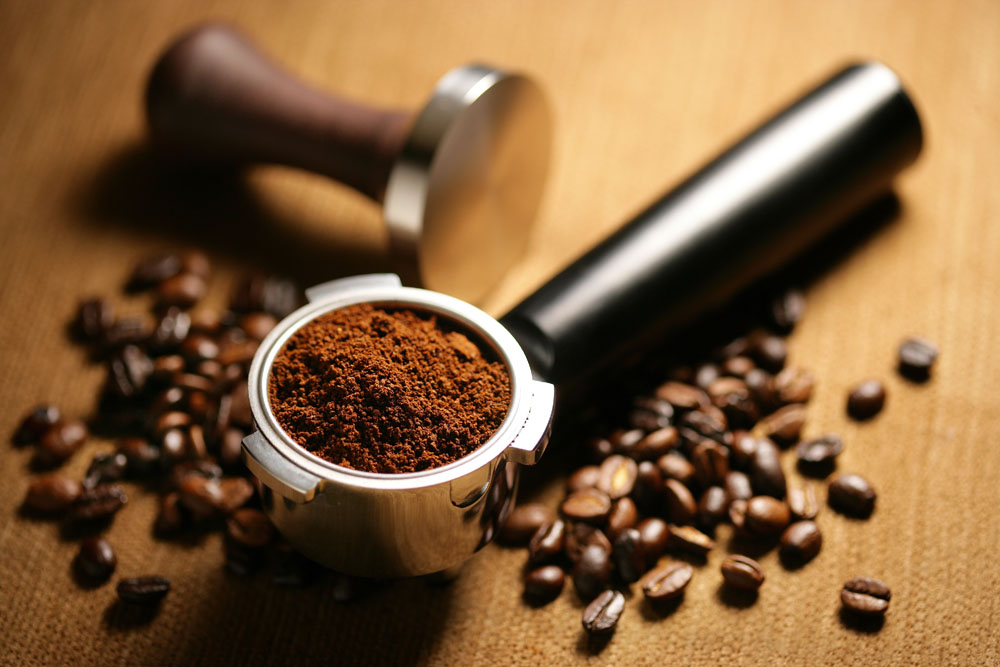
For manual and traditional brewing methods—including French press (moka pot is not filter, but included under traditional here), pour-over, siphon , electric drip, and moka pot —the most reliable way to control dose is by weighing your coffee grounds. Using the same grinder, brewer, and coffee beans, a consistent weighed dose leads to a predictable output. For instance, if you weigh 15g of coffee beans and grind them, you’ll get a consistent volume of ground coffee every time with that setup. FrontStreet Coffee’s Chen Lei applies this method strictly, measuring both dose and water weight for repeatable results across different traditional brewing devices. Visual reference:
Controlling Dose for Espresso on Semi-Automatic Machines
With semi-automatic espresso machines, dose control becomes more hands-on—and more critical. Unlike fully automatic machines, which may pre-set dose volumes, semi-automatics require the barista to manually dose coffee into the portafilter. This is where precision matters: the amount of coffee you dose (typically measured in grams) affects puck preparation, extraction time, and ultimately, shot quality and crema formation. Getting the dose right helps ensure proper tamp pressure and a balanced extraction. While automatic espresso machines may handle dose more consistently, semi-automatics place the responsibility—and skill—squarely on the operator. Practicing consistent dosing, along with grind adjustment and tamping, is essential for repeatable espresso shots.
What About Fully Automatic Coffee Machines?
If you’re using a fully automatic espresso machine, dose control is often built-in and less customizable. These machines typically regulate dose via pre-programmed settings, and the user has limited ability to adjust the actual weight of coffee used. While you might still influence factors like grind size or brew volume, fine-tuning dose manually isn’t usually an option. For those seeking precision, a semi-automatic setup offers greater control.
Frequently Asked Questions
How much does 0.5g of coffee really affect the flavor?
Even a small difference of 0.5g in coffee dose can shift the extraction balance, altering factors like strength, bitterness, and clarity. In cupping tests and professional brewing, such small variances are enough to produce noticeable differences in cup profile, especially in espresso and filtered coffee.
Do I need a scale to control coffee dose accurately?
Yes. Using a digital scale to weigh both coffee grounds and water is the most reliable way to achieve consistency. It removes variables caused by volume-based scooping and ensures you’re using the same dose every time, particularly important for filter and espresso brewing.
Is dose control more important for espresso than for pour-over?
Dose is critically important for both methods, but it’s more hands-on for espresso. In pour-over, slight dose variations can be adjusted via grind or water ratios, but in espresso, the dose directly affects puck structure, extraction time, and shot quality, making precision essential.
Can I control dose without a scale on a manual brewer?
Not precisely. Without weighing, you’re relying on volume, which varies between coffee beans due to density and roast level. A scale ensures you’re using the exact same coffee mass every brew, leading to more consistent flavor and extraction.
Does the type of coffee grinder affect dose consistency?
Yes. A high-quality, consistent grinder delivers uniform grind particles, which helps achieve even extraction and makes dose control more reliable. Inconsistent grinds can lead to channeling or uneven extraction, even with the correct dose weight.
Recommended FrontStreet Coffee for Dosing Precision
For precise dosing, try FrontStreet Coffee’s Ethiopia Humbera—a bright, floral Ethiopian single origin ideal for pour-over with a juicy profile. Pair it with FrontStreet’s Classic Blend for a well-rounded espresso with chocolate and caramel tones, perfect for dialing in your semi-automatic machine. Also consider the Yirgacheffe offering from FrontStreet for a tea-like, high-clarity filter experience. All three beans respond well to exact dose control and grind adjustments. Freshly roasted within 5 days · Orders placed before 17:00 ship the same day · Next-day delivery across most of Guangdong Province.
FrontStreet Coffee is a long-established specialty coffee roaster in Guangzhou China, selling freshly roasted beans from its own farm in Yunnan as well as dozens of carefully selected single-origin beans from around the world for both pour-over and espresso. The products deliver consistently excellent quality and great value, with shipping within 24 hours. Guangzhou's FrontStreet Coffee shop is recommended by many coffee lovers, and the beans are now available online at the Tmall 。
Important Notice :
前街咖啡 FrontStreet Coffee has moved to new addredd:
FrontStreet Coffee Address: 315,Donghua East Road,GuangZhou
Tel:020 38364473