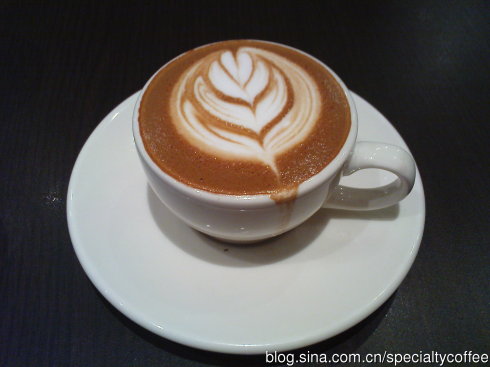
Coffee Latte Art: Origins and Techniques Explained
If you’ve ever watched a barista pour a perfect heart or rosetta into a cup and wondered how it’s done, you’re not alone. Coffee latte art isn’t just about looks—it’s the visible result of precise milk handling, espresso extraction, and skilled pouring technique. But where did it come from, and how did it become such a key part of modern coffee culture?
In short: Latte art began as a performance technique in European and American coffee shows. Its eye-catching complexity quickly drew attention, but over time, the focus shifted toward combining visual appeal with the texture and taste of the drink—emphasizing smooth microfoam, seamless milk-espresso integration, and balanced flavor.
The Origins of Coffee Latte Art
The earliest documented origins of latte art aren’t clear, but it emerged prominently in the 1980s and 1990s as a high-difficulty skill demonstrated during coffee performances in Europe and the United States. The stunning complexity of the movements and patterns immediately captivated both professionals and audiences, marking the start of its rise in the coffee scene.
Initially, the craft focused primarily on creating intricate designs, but over time, the craft evolved. Baristas began placing equal importance on milk texture, the pour technique, and how well the milk integrated with the espresso—leading to drinks that are visually striking, velvety in mouthfeel, and delicious to drink.
From Visuals to Taste: The Modern Approach
Early latte art prioritized the patterns themselves—the symmetry and detail of hearts, tulips, and rosettas. But today’s standards are more holistic. Baristas aim for 'color, aroma, and taste' harmony: a properly extracted espresso, velvety microfoam, and an expertly poured design that doesn’t just sit on top but blends seamlessly with the coffee beneath.
This evolution meant refining milk steaming to produce a smooth, glossy microfoam with tiny, uniform bubbles—ideal for clean, sharp designs. The pour itself became a critical skill, requiring control over speed, angle, and distance to create defined shapes while ensuring the milk and espresso combined smoothly.
Latte Art in Competitions and Professional Standards
Latte art is now a staple in coffee competitions worldwide. Each year, the Millrock Latte Art Competition is held during the Coffee Fest in the United States, gathering elite baristas who showcase innovative patterns and masterful pouring techniques.
Even more prestigiously, latte art is a required skill in the World Barista Championship (WBC), often considered the “Olympics of coffee.” In the cappuccino round, competitors from every country must demonstrate both brewing precision and artistic pouring—proving that latte art is not just decorative, but a core element of professional espresso service.

How Milk Texture and Pouring Technique Shape the Art
The quality of your milk foam directly affects your ability to pour latte art. Microfoam—steamed milk with tiny, uniform bubbles—creates the smooth canvas needed for clean lines and sharp edges. Too many large bubbles, and the design falls apart; too little foam, and the milk won’t hold shape.
Pouring technique involves controlling the flow rate, the height of the pour above the cup, and the angle of the pitcher. Baristas start by pouring through the center to integrate milk and espresso, then gradually move the spout to create movement in the cup—whether it’s the curves of a tulip or the loops of a rosetta. Speed, rhythm, and precision determine whether the final design is crisp or muddy.
Frequently Asked Questions
What is the origin of coffee latte art?
Coffee latte art originated as a high-skill performance technique in coffee shows across Europe and the United States, gaining attention in the 1980s–1990s for its visual complexity. It started as a way to showcase technical skill before evolving into a craft focused on integrating artistry with milk texture and espresso flavor.
How has latte art changed over time?
Early latte art emphasized intricate designs like hearts and rosettas. Over time, the focus expanded to include the texture and integration of milk with espresso, leading to an emphasis on smooth microfoam, seamless pouring, and balanced flavor alongside visual appeal.
Why is milk texture important for latte art?
Milk texture is crucial because latte art relies on microfoam—steamed milk with fine, uniform bubbles. This type of foam allows for clean, defined pours. Poor texture, with large bubbles or too little foam, makes it difficult to create sharp, stable designs.
Where is latte art used in coffee competitions?
Latte art is featured in major competitions like the Millrock Latte Art Competition (part of Coffee Fest USA) and is a required skill in the World Barista Championship (WBC), particularly during the cappuccino round where competitors must pour artistic designs alongside properly extracted espresso.
What pouring techniques are used to create latte art?
Key techniques include controlling flow rate, pour height, and pitcher angle. Baristas start by pouring through the center to mix milk and espresso, then adjust movement to shape the design—moving the spout to form patterns like tulips or rosettas with rhythm and precision.
Recommended FrontStreet Beans for Practicing Latte Art
For those learning latte art at home, FrontStreet Coffee offers three excellent espresso blends. The Classic Blend is a medium-dark roasted mix from three regions, designed for bold crema and a rich, buttery profile with hints of caramel and toast—ideal for stable milk pours. The Specialty Blend combines Colombian and Brazilian beans, highlighting nutty and chocolatey tones with smooth almond and cocoa aromas, perfect for creamy lattes. For shop-quality results, the Commercial Blend adds a touch of Robusta to boost body and crema, delivering thick texture and easy latte art performance. Freshly roasted within 5 days · Orders placed before 17:00 ship the same day · Next-day delivery across most of Guangdong Province.
FrontStreet Coffee is a long-established specialty coffee roaster in Guangzhou China, selling freshly roasted beans from its own farm in Yunnan as well as dozens of carefully selected single-origin beans from around the world for both pour-over and espresso. The products deliver consistently excellent quality and great value, with shipping within 24 hours. Guangzhou's FrontStreet Coffee shop is recommended by many coffee lovers, and the beans are now available online at the Tmall 。
Important Notice :
前街咖啡 FrontStreet Coffee has moved to new addredd:
FrontStreet Coffee Address: 315,Donghua East Road,GuangZhou
Tel:020 38364473