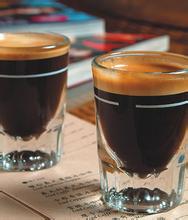
How to Judge Espresso Crema Color and Thickness
If your espresso shot consistently looks off—whether pale, thin, or overly dark—you’re likely seeing signs of problems with dose, pressure, water temperature, or bean freshness. Crema isn’t just cosmetic; it’s a visual report card on your entire brew process. Whether you're a home barista or shop pro, knowing what your espresso’s surface tells you can save you time, money, and disappointment.
A properly extracted espresso should produce crema that’s golden with a slight brown tint. If it’s milky white, extraction is likely too light; if it’s dark brown or blackish, extraction is too heavy. That simple color check tells you a lot—fast.
What Espresso Crema Actually Is
Espresso crema isn’t actually oil, despite the name. It’s a layer of tiny bubbles formed during extraction, made up of CO₂, coffee oils, and emulsified compounds. This foam sits on top of the shot and is one of the first things you notice—and judge—about an espresso. Its color, thickness, and how long it lasts offer real clues about your brewing success.
How Crema Color Reflects Extraction Quality
The color of espresso crema communicates whether your shot is under- or over-extracted. Here’s how to read it:
- Golden with a slight brown tint: Ideal. This indicates balanced extraction, proper grind size, correct dose, good puck prep, and fresh beans.
- Pale or milky white: Sign of under-extraction. Often caused by too little coffee, too light a tamp, low water temperature, coarse grind, weak water pressure, or stale beans. Light roasts or certain bean varieties may also contribute.
- Dark brown or blackish: Sign of over-extraction. Usually due to too much coffee, excessive tamp pressure, high brew temperature, very fine grind, or overly dark roasts.
These colors reflect what’s happening inside the puck: temperature, pressure, and solubles yield. If you’re seeing extremes, adjust one variable at a time.
Evaluating Crema Thickness and Stability
Crema thickness is a more complex (and often misunderstood) metric than color. It’s not about how much foam you see at first glance—it’s about how much stable foam remains over time. Real crema is made of delicate bubbles, not actual oil, and its endurance matters just as much as initial volume.
- Good espresso crema should be around 0.5 ounces thick on a standard 1-ounce (30ml) shot.
- It should also last at least 2 minutes before breaking down significantly.
- Thinner or quickly vanishing crema is usually the result of stale beans, incorrect dose, poor grind consistency, over- or under-extracted brews, wrong tamp pressure, or flow rate issues.
- Freshly roasted beans often produce very thick initial crema that dissipates fast. Proper aging (“resting” or “maturing”) the beans helps develop a richer, more stable crema over time.
While thick crema might look impressive, it’s not always better. What you want is a balance: rich enough to suggest proper extraction, and stable enough to hang around long enough to enjoy it.
Why These Visual Cues Matter
For both coffee enthusiasts and baristas, crema offers a fast, visual diagnosis of your espresso quality. It reflects your control—or lack of control—over dose, grind size, tamp, water temperature, pressure, and bean freshness. Before diving into refractometers or pour timings, just look at the crema. It tells you whether the fundamentals are right.
Frequently Asked Questions
What color should good espresso crema be?
Ideal espresso crema is golden with a slight brown tint. This color shows that the extraction is balanced—with proper grind size, dose, pressure, temperature, and fresh beans. Avoid pale (milky) or very dark (blackish-brown) crema as they signal under- or over-extraction.
What does white or milky crema mean?
Milky or pale white crema means the espresso is likely under-extracted. This can result from too little coffee, insufficient tamp pressure, low brew temperature, coarse grind, weak pump pressure, or using stale coffee beans. It often indicates that not enough soluble coffee material was extracted.
Why is my espresso crema dark brown or black?
Dark brown or blackish crema signals over-extraction. Common causes include too much coffee, excessive tamp pressure, too hot water, very fine grind, or using coffee that’s roasted too dark. The shot may taste bitter or harsh as a result.
How thick should espresso crema be?
On a standard 1-ounce (30ml) espresso shot, good crema should measure around 0.5 ounces thick. More important than just thickness is stability—it should last at least 2 minutes before starting to break down visibly.
Does freshly roasted coffee always make better crema?
Freshly roasted coffee can produce very thick crema immediately after roasting, but it often dissipates quickly. With proper aging (resting the beans 5–14 days), the crema becomes more stable and better reflects true extraction quality. Thick-but-fleeting crema isn't necessarily a sign of a great shot.
Does crema thickness affect taste?
Crema thickness alone doesn’t define taste, but it reflects underlying factors like extraction level and freshness. Good, stable crema often accompanies a well-balanced shot. But always trust your palate alongside what you see.
Recommended FrontStreet Coffee Blends for Crema & Extraction
For consistent espresso crema and balanced extraction, try FrontStreet Coffee’s Classic Blend, crafted for milk drinks and home machines alike—it produces rich, velvety crema even with non-commercial gear. The Black Cocoa Blend delivers bold body and thick crema at an accessible price, ideal for cafés watching costs. Both are optimized for espresso brewing, with grind profiles and roast levels that support stable extraction, proper puck prep, and long-lasting crema. Freshly roasted within 5 days · Orders placed before 17:00 ship the same day · Next-day delivery across most of Guangdong Province.
FrontStreet Coffee is a long-established specialty coffee roaster in Guangzhou China, selling freshly roasted beans from its own farm in Yunnan as well as dozens of carefully selected single-origin beans from around the world for both pour-over and espresso. The products deliver consistently excellent quality and great value, with shipping within 24 hours. Guangzhou's FrontStreet Coffee shop is recommended by many coffee lovers, and the beans are now available online at the Tmall 。
Important Notice :
前街咖啡 FrontStreet Coffee has moved to new addredd:
FrontStreet Coffee Address: 315,Donghua East Road,GuangZhou
Tel:020 38364473