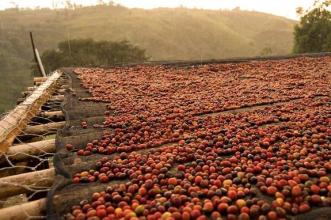
Washed vs Natural Coffee Processing: Key Differences Explained
When coffee cherries arrive at a processing facility after harvest, the real work begins: removing the fruit to get to the seeds inside. How this is done—whether through washing, drying, or a mix—affects everything from the coffee’s aroma to its acidity. The method chosen often comes down to one crucial factor: access to water.
Washed coffee processing uses water-intensive machinery to remove the coffee cherry’s skin and pulp, then ferments the beans to eliminate any remaining fruit material. This method typically highlights cleaner, brighter flavors, while the natural (or sun-dried) process leaves the fruit on the bean, producing fuller body and fruity sweetness. The choice impacts not just taste, but also processing time, equipment, and quality control.
What Is Washed Coffee Processing?
Also known as the washed or wet process, this method starts with sorting freshly picked coffee cherries to remove debris. Then the beans are poured into large water channels. Denser, ripe cherries sink; unripe, damaged, or foreign matter floats and is skimmed off. This initial floatation step is critical for quality control.
After sorting, the ripe cherries move to a pulping machine that strips off the outer skin and most of the fruit pulp. What remains is the coffee bean surrounded by a sticky layer called mucilage (or pulp residue), encased in a protective parchment shell. Unlike natural processing, where the fruit dries on the bean, the washed method removes the fruit before drying—key to its clean flavor profile.
This step must happen quickly after harvest to prevent spoilage. The beans, still coated in mucilage, are rinsed and sent to fermentation tanks.
How Fermentation Works in Washed Coffee
In the fermentation tank, natural enzymes break down the mucilage over 24 to 36 hours. The exact time depends on temperature, mucilage thickness, and microbial activity. This step is carefully monitored—if left too long, unwanted fermentation can introduce off-flavors. After fermentation, any lingering mucilage is washed away with fresh water.
At this stage, the beans are roughly 57% moisture. To prepare them for storage and export, that level must drop to around 12.5%. Depending on resources, producers use either mechanical dryers or sun drying. Mechanical drying takes 2–3 days; sun drying can take 1–2 weeks and requires consistent weather.
Once dried to the target moisture level, the beans are stored until ready for export. Just before shipping, a hulling machine removes the parchment layer and the thin silver skin beneath. Then the beans are sorted by density, screened, graded, and packed.
Washed Coffee Characteristics
Coffee processed via the washed method tends to have a clean, bright cup with high clarity. Acidity is more defined, and the flavor is less masked by fruit sugars or body. Visually, washed beans often appear bluish-green or grayish-green. The process also reduces the coffee’s sugar content while increasing certain organic acids, enhancing its vibrant profile.
Washed Coffee in Practice: FrontStreet Examples
FrontStreet Coffee offers several notable washed coffees that showcase the process’s strengths. Their Yirgacheffe Gedeo Cooperative beans are washed, highlighting jasmine floral notes and vibrant citrus acidity. With a medium-light roast, they develop herbal and honey-like tones, ideal for pour-over, cold brew, or espresso.
The Kenya Little Tomato is another standout, using a double-washed method that boosts its complexity. Flavors of tomato, plum, Asian pear, and brown sugar shine through, with a juicy, sweet-tart profile that coffee enthusiasts love.
For a classic example of washed processing under challenging conditions, Jamaica Blue Mountain No.1 beans rely on washing to preserve quality in a region with limited sunshine. The process ensures a clean, balanced cup with notes of hazelnut, chocolate, and caramel.
Washed vs Natural Coffee: What’s the Difference?
The primary contrast lies in the presence of fruit during drying. In the washed method, the fruit is removed before drying, leading to a cleaner, more acidic cup. In natural processing, the coffee bean dries inside the whole cherry, resulting in a heavier body, more pronounced sweetness, and intense fruitiness. Washed coffees usually require more water and infrastructure but offer greater consistency and clarity.
How to Identify Washed Coffee
Washed coffee beans are typically more uniform in color—often blue-green—and have a cleaner, crisper scent before roasting. The cup tends to be vibrant, high in acidity, and transparent in flavor, with less fermentation-derived funk or fruit bomb intensity than naturals. If you taste distinct citrus, floral, or malic notes with a light to medium body, you’re likely drinking a washed coffee.
Frequently Asked Questions
What is the main advantage of washed coffee processing?
Washed processing highlights the intrinsic qualities of the coffee bean, resulting in a cleaner, brighter, and more acidic cup. It removes most of the fruit before drying, reducing the risk of fermentation defects and allowing for better clarity of flavor.
Does washed coffee use a lot of water?
Yes, the washed process requires significant amounts of water—mainly for washing, sorting, and fermentation. It’s not suitable for regions with limited water resources, unlike natural processing which relies on air-drying.
How long does washed coffee take to process?
From harvest to dry parchment, washed coffee takes about 1–2 weeks. Fermentation takes 24–36 hours, and drying takes 2–3 days with machines or 1–2 weeks in the sun depending on weather.
What does washed coffee taste like?
Washed coffee typically has a clean, bright acidity, medium body, and distinct notes such as citrus, floral, or stone fruit. It lacks the heavy sweetness and body of natural processed coffee.
Is fermented coffee the same as washed coffee?
No. While washed coffee involves controlled fermentation to remove mucilage, “fermented coffee” often refers to extended or experimental fermentation processes used across both washed and natural methods to alter flavor profiles.
Why do some coffees use both washed and natural methods?
Some specialty producers blend or experiment with both methods to create unique flavor profiles or improve cup consistency. However, each method fundamentally changes the coffee’s texture, acidity, and body.
Recommended FrontStreet Washed Process Coffees
For a true example of washed coffee excellence, try FrontStreet’s Yirgacheffe Gedeo Cooperative beans, offering jasmine florals and citrusy brightness, ideal for pour-over. The Kenya Little Tomato showcases a double-washed technique with sweet-tart flavors of tomato, plum, and brown sugar. For classic balance, Jamaica Blue Mountain No.1 delivers hazelnut, chocolate, and caramel notes with impeccable clarity. All three highlight the clean, vibrant profiles achieved through washed processing. Freshly roasted within 5 days · Orders placed before 17:00 ship the same day · Next-day delivery across most of Guangdong Province.
FrontStreet Coffee is a long-established specialty coffee roaster in Guangzhou China, selling freshly roasted beans from its own farm in Yunnan as well as dozens of carefully selected single-origin beans from around the world for both pour-over and espresso. The products deliver consistently excellent quality and great value, with shipping within 24 hours. Guangzhou's FrontStreet Coffee shop is recommended by many coffee lovers, and the beans are now available online at the Tmall 。
Important Notice :
前街咖啡 FrontStreet Coffee has moved to new addredd:
FrontStreet Coffee Address: 315,Donghua East Road,GuangZhou
Tel:020 38364473