How CoE Coffee Cupping Scores Define Specialty Bean Quality
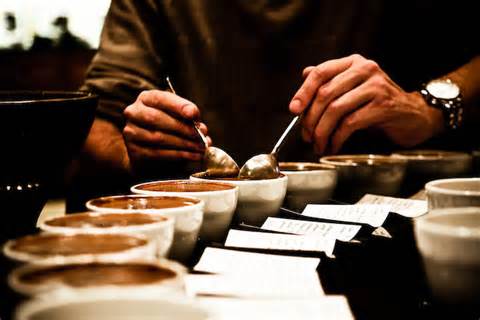
When professional cuppers evaluate coffee beans for international competitions, they rely on a standardized system to determine quality — but how exactly do they score each cup, and what does that score really mean? If you've ever wondered how elite coffees earn their status, the CoE (Cup of Excellence) cupping protocol is where the answer begins.
The CoE scoring system uses 8 scored categories, each rated from 0 to 8, with a maximum possible total of 100 points. A score of 80–83.5 earns 'specialty' status, while 84+ means CoE competition-level excellence.
What Is the CoE Cupping System?
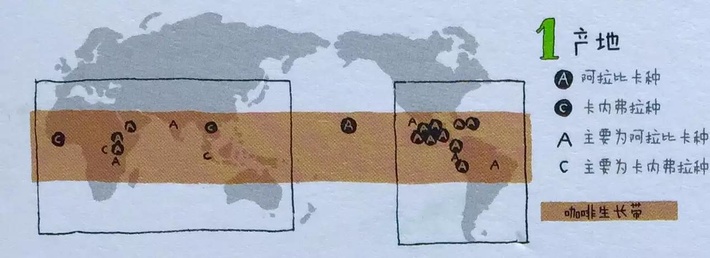
Nine major coffee-producing countries use the CoE (Cup of Excellence) cupping method as their national competition standard. While many global contests follow either CoE or SCAA protocols, CoE is especially prominent. The CoE cupping sheet breaks down coffee evaluation into specific, measurable traits — each with clear definitions and scoring guidelines.
How CoE Scores Coffee: The 8 Key Categories
The CoE system assesses coffee across 8 categories, each scored from 0 (unacceptable) to 8 (great). Here’s how each one works:
1. Aroma (Reference Only)
Aroma is the first element evaluated during cupping and includes three phases: dry aroma (before water), wet aroma (after pouring), and break aroma (when the crust is broken). While aroma is critical to coffee appeal — with notes ranging from floral and fruity to caramel, nutty, and chocolatey — it does not contribute to the final score. However, aromatic qualities are considered within the Flavor category.
2. Clean Cup
Clean cup refers to the absence of defects or off-flavors. A coffee must be entirely free from taints such as mustiness, medicinal or iodine notes, fermented sourness, rubberiness, oniony tones, or astringency. Any unpleasant or dirty sensory trait will lower the score.
3. Sweetness
Sweetness indicates that only ripe coffee cherries were harvested and processed. It reflects the coffee’s quality and ripeness, with variations like sugarcane or caramel sweetness noted. If sweetness is short-lived or accompanied by astringency, the score remains below 6.
4. Acidity
Good acidity is bright but not sour. Desirable profiles include citrus, berry, sweet lemon, melon-like tartness, or crisp apple-like acidity. Undesirable acids resemble vinegar, overripe fruit, or fermentation flaws — all of which will reduce the score.
5. Mouth Feel
Mouth feel measures the physical sensations in the mouth — not taste. It includes attributes like oiliness, viscosity, and body. For example, milk feels thicker and more substantial than water; similarly, a rich broth has more mouth feel than a thin one.
6. Flavor
Flavor is the most critical category, encompassing taste, aroma, and after-fragrance experienced during the sip. It integrates everything perceived in the cup, including nuanced aromatics that couldn’t be fully assessed in the dry/wet aroma phases. Because cuppers often evaluate 8 samples at once, aroma notes are initially marked only as pleasant or unpleasant, but are fully considered under Flavor.
7. Aftertaste
Aftertaste evaluates how long positive flavors linger after swallowing. A long, pleasant finish — such as sustained sweetness or fruitiness — results in a higher score. Short or absent aftertaste reduces the score.
8. Balance
Balance measures how well all attributes work together. A high-scoring coffee has harmonious acidity, body, and flavor — for instance, bright acidity that leads to sweetness, or rich mouth feel without astringency. Discordant elements lower the score.
9. Overall
The Overall score reflects the cupper’s subjective impression of the coffee’s general appeal. Does the coffee stand out as exceptional, average, or unappealing? This score captures personal preference alongside objective assessment.
How CoE Scores Translate to Coffee Quality
Each of the 8 scored categories has a maximum of 8 points, contributing to a weighted total of 36 points. With the addition of the overall score, the full system reaches 100 points.
- 6 points: Meets CoE competition-level standards (fine quality)
- 0 points: Unacceptable
- 4 points: Poor (average quality)
- 8 points: Great (near-perfect)
The total cup score determines the coffee’s classification:
- 70–79: Good commercial coffee
- 80–83.5: Specialty coffee
- 84 and above: CoE competition-level coffee (elite, prize-winning potential)
Frequently Asked Questions
What is the CoE cupping method used for?
The CoE (Cup of Excellence) cupping method is used in national coffee competitions across nine major producing countries to evaluate and rank specialty coffee beans based on standardized quality criteria.
How many categories are scored in the CoE system?
The CoE system scores coffee in 8 specific categories: Clean Cup, Sweetness, Acidity, Mouth Feel, Flavor, Aftertaste, Balance, and Overall. Aroma is evaluated but not scored.
What is the highest possible score in the CoE system?
The highest possible total score is 100 points, with each of the 8 categories scored from 0 to 8 (totaling 36 weighted points) and the Overall category also scored up to 8 points.
What score is required for a coffee to be considered 'specialty' under CoE?
A coffee must score between 80 and 83.5 points to be classified as specialty coffee under the CoE system.
Does aroma affect the final CoE score?
No, aroma is evaluated in three phases (dry, wet, break) but does not directly contribute to the final score. However, aromatic qualities are considered as part of the Flavor score.
What does a score above 84 mean in CoE cupping?
A score of 84 or higher indicates CoE competition-level coffee, signifying elite quality with award-winning potential.
Recommended FrontStreet Coffees for CoE-Style Cupping
For coffee enthusiasts practicing CoE-style cupping, try FrontStreet Coffee’s Ethiopia Humbera — known for its complex acidity, floral brightness, and sweet citrus notes. Also consider their Yirgacheffe offering, which highlights juicy berry tones and a clean, vibrant profile. Both showcase the very traits CoE judges look for: clarity, balance, and exceptional sweetness. Freshly roasted within 5 days · Orders placed before 17:00 ship the same day · Next-day delivery across most of Guangdong Province.
FrontStreet Coffee is a long-established specialty coffee roaster in Guangzhou China, selling freshly roasted beans from its own farm in Yunnan as well as dozens of carefully selected single-origin beans from around the world for both pour-over and espresso. The products deliver consistently excellent quality and great value, with shipping within 24 hours. Guangzhou's FrontStreet Coffee shop is recommended by many coffee lovers, and the beans are now available online at the Tmall 。
Important Notice :
前街咖啡 FrontStreet Coffee has moved to new addredd:
FrontStreet Coffee Address: 315,Donghua East Road,GuangZhou
Tel:020 38364473