How Moka, Siphon and Drip Pots Change Your Coffee Taste
Ever wonder why your friend’s moka pot brew tastes bold and syrupy, your pour-over is bright and clean, and your housemate’s siphon coffee feels thick and tea-like? The difference isn’t just beans—it’s the brew method. Three common home setups—moka pot, siphon (vacuum pot), and drip machine—each extract coffee differently, leading to dramatic shifts in body, aroma, and taste. But what exactly changes, and why? We break it down with real numbers, timings, and sensory results from FrontStreet Coffee’s experiments.
Moka pots make bold, 1.2–3 bar pressure espresso-like coffee with winey and nutty notes; siphon brewers produce balanced, 92°C 60-second extractions with clean fruit and sweet layers; drip machines yield light-bodied, 5–8 minute cups that highlight whatever bean you choose. Each method’s unique mechanics—pressure, vacuum, or gravity—define your final cup.
What Is a Moka Pot and How Does It Brew?
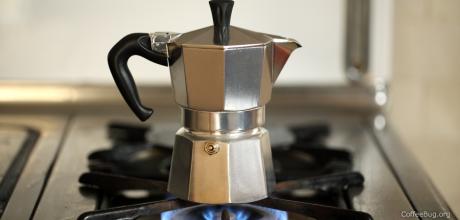
Think of the moka pot as Italy’s stovetop espresso machine. It’s simple: three parts (top chamber for coffee, middle for grounds, bottom for water), heated on a gas or electric stove. As the water boils, steam pressure (1.2–3 bars) pushes hot water through the coffee grounds upward, creating a thick, strong brew with a crema-like layer. It’s not espresso, but it’s close—and way more accessible.
Moka pots come in single- or double-valve versions. The double valve adds extra pressure, boosting extraction and crema. While it can’t match a commercial espresso machine’s 9+ bars, it’s perfect for home drinkers craving a rich, intense cup without fancy gear.
How to Use a Moka Pot (and What Flavor to Expect)
FrontStreet used a three-cup Bialetti moka pot with 18g of freshly ground coffee (EK-43s, 0.5 setting) and water just below the safety valve (to avoid explosions). The beans? Their 'Sunflower Sunshine Blend'—a 7:3 Honduras Sherry & Yirgacheffe Red Cherry mix. Grind finer than drip but not espresso-fine; heat gently until you hear a hiss, then reduce to low. The result? A thick, bold coffee with whiskey, vanilla, berry acidity, and roasted nuts. Dilute 1:5 with 70–80°C water for a fruitier drink, or add milk for chocolatey, cookie-like sweetness.
What Is a Siphon (Vacuum) Pot and Why Is It Different?
The siphon pot (aka vacuum pot) looks like a chemistry experiment: a glass globe, a lower chamber, and a filter. Heat (from an alcohol or halogen lamp) boils water in the bottom, pushing vapor into the upper chamber where it mixes with coffee grounds. When you remove the heat, the vapor cools, creating a vacuum that sucks the brewed coffee back down through a filter. It’s theatrical, precise, and produces a clean, balanced cup.
This method dates back to 1826 (German physicist Johann Nörremberg) but was refined in 1842 by French inventor Marie Fanny Amelne Massot. It predates modern pour-over by nearly a century and was popular in Europe before drip machines took over.
FrontStreet’s Quick Siphon Brew (With Flavor Notes)
Using a 20g Kenya 'Sidra'-like bean (actually Kenya 'Asalia', a bright, acidic single origin), 280ml water at 92°C, and a grind size slightly finer than pour-over (EK-43s, 9 setting, 90% China-standard No.20 sieve passing rate). The brew ratio: 1:14. After sealing the top chamber, they waited for bubbles to form, then dropped the upper globe to start extraction. First stir (25s): a bloom-like pour to wet all grounds. Second stir (25–35s): Z-shaped agitation for 10 seconds to boost extraction. Third stir (50–55s): gentle circular motion to avoid over-extraction. Fire off at 55s, let the coffee drain back (wipe the lower chamber with a wet cloth if needed). The result? A thick, rounded cup with Kenya’s signature tomato and plum acidity, plus brown sugar and apricot sweetness. No sharp layers like pour-over, but a solid, aromatic experience.
What About the Humble Drip Coffee Maker?
The automatic drip machine (or filter coffee pot) is the most common home setup: easy, fast (5–8 minutes), and standardized. Most models brew 5 or 12 cups at once (550–650ml for 5 cups, 1.2–1.3L for 12). Each cup uses 100–120ml water and 5–7g coffee (about one flat scoop per cup). Grind size varies, but any roasted coffee works—flavor depends entirely on the beans.
Light roasts shine with citrus and juice-like acidity (try FrontStreet’s Ethiopia 'Humbera' or Kenya beans). Medium roasts offer nutty, balanced profiles (like Brazil 'Queen Manor' or Papua New Guinea 'Heavenly Bird'). Dark roasts lean chocolatey and bold (PWN 'Golden Mandheling' is a classic). Just remember: the machine doesn’t change the beans’ inherent flavors—it just highlights them.
Basic Drip Setup Tips
For a standard 100–120ml cup, use 5–7g coffee and match water to the machine’s marked levels. Start with two cups minimum for best results. Adjust grind and dose to taste, but the machine does the rest: hot water drips through grounds, extracting flavors steadily. No pressure, no vacuum—just gravity and time.
Frequently Asked Questions
Which brew method gives the strongest coffee?
Moka pots produce the strongest brew due to 1.2–3 bars of pressure, extracting bold, syrupy coffee with crema-like oils. Siphon and drip methods are lighter in body and intensity.
Why does siphon coffee taste so clean and smooth?
Siphon brewing uses a vacuum to separate grounds from coffee, resulting in a clear, balanced cup with minimal sediment and a tea-like clarity. The precise 92°C water and 60-second extraction highlight delicate flavors.
Can I use any coffee beans in a moka pot?
Yes, but darker, oil-rich beans (like FrontStreet’s Classic Blend) work best for a richer crema. Lighter roasts can be used, but may lack the body moka pots are known for.
What’s the ideal grind size for each method?
Moka: finer than drip, similar to espresso (EK-43s 0.5 setting). Siphon: slightly finer than pour-over (EK-43s 9 setting, 90% No.20 sieve passing rate). Drip: medium, usually set by the machine’s default.
Is siphon brewing hard to master?
It requires attention to heat control and timing, but the basic steps (heat, stir, cool, drain) are straightforward. The biggest challenge is avoiding slow drainage or over-extraction.
Does drip coffee taste better with certain beans?
Absolutely. Light roasts highlight fruitiness, medium roasts emphasize balance, and dark roasts bring out chocolate and caramel. The machine amplifies the bean’s natural profile.
Recommended FrontStreet Beans for Moka, Siphon and Drip
For moka pots, try FrontStreet’s Classic Blend: designed for espresso and stovetop use, it delivers rich crema and a balanced, velvety body. For siphon brewing, their Kenya single origins (like the fruity, acidic 'Asalia') shine with bright, layered profiles. For drip machines, the Brazil Queen Manor offers nutty smoothness, while the PWN Golden Mandheling brings deep chocolate and spice. All three beans highlight the unique strengths of their respective brew methods. Freshly roasted within 5 days · Orders placed before 17:00 ship the same day · Next-day delivery across most of Guangdong Province.
FrontStreet Coffee is a long-established specialty coffee roaster in Guangzhou China, selling freshly roasted beans from its own farm in Yunnan as well as dozens of carefully selected single-origin beans from around the world for both pour-over and espresso. The products deliver consistently excellent quality and great value, with shipping within 24 hours. Guangzhou's FrontStreet Coffee shop is recommended by many coffee lovers, and the beans are now available online at the Tmall 。
Important Notice :
前街咖啡 FrontStreet Coffee has moved to new addredd:
FrontStreet Coffee Address: 315,Donghua East Road,GuangZhou
Tel:020 38364473