Cappuccino vs Latte: Key Differences in Milk Coffee
If you’ve ever wondered why your cappuccino tastes stronger or foamier than your friend’s latte, you’re not alone. Many coffee drinkers confuse these two popular milk-based espresso drinks, especially when ordering at cafés. The real differences come down to how much espresso, steamed milk, and foam go into each cup—and those small changes make a big impact on texture and flavor.
In short: a traditional cappuccino uses equal parts espresso, steamed milk, and foam (1:1:1), while a latte has more steamed milk and less foam (1:2:1). That’s the core difference between the two. Also, cappuccinos are served in shorter, wider ceramic cups, while lattes typically come in taller glass cups.
What Defines a Cappuccino?
A cappuccino is a classic Italian-style milk coffee built on a base of espresso, with steamed milk and a thick layer of milk foam added in equal measure. By the traditional recipe, it’s made with one-third espresso, one-third steamed milk, and one-third milk foam—giving it a 1:1:1 ratio. This balance is what gives the cappuccino its signature bold coffee flavor with a pillowy, textured top.
How Is a Latte Different?
A latte, short for caffè latte, also starts with a shot of espresso, but it uses significantly more steamed milk and a thinner layer of foam. The typical ratio is 1 part espresso to 2 parts steamed milk to 1 part foam—or 1:2:1. This higher milk content results in a creamier, mellower drink with less foam on top, making it smoother and often preferred by those who enjoy a gentler coffee flavor.
Why the Cup Matters
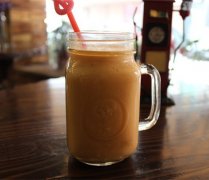
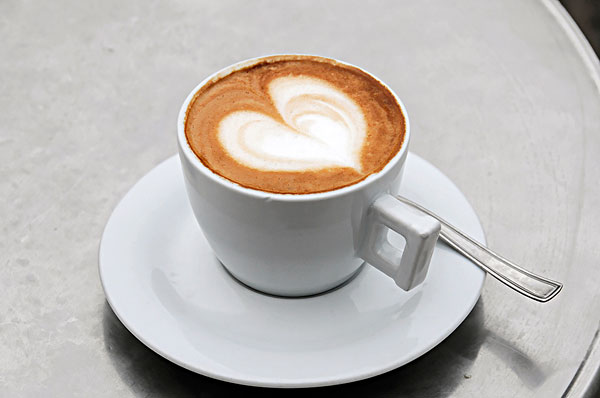
The type of cup used for each drink isn’t just about aesthetics—it affects how you experience the coffee. Cappuccinos are traditionally served in short, wide ceramic cups, which help maintain the temperature and texture of the foam. Lattes, on the other hand, are usually poured into taller glass cups, allowing you to see the layers of espresso, steamed milk, and light foam. The vessel shapes the drinking experience as much as the ingredients do.
How FrontStreet Coffee Makes a Classic Cappuccino at Home
FrontStreet Coffee breaks down the steps to craft a great cappuccino at home, emphasizing the importance of a thick, velvety milk foam. Their recommended espresso parameters are 20g of coffee grounds, a 1:2 brew ratio, and a 30-second extraction time—resulting in about 40ml of concentrated espresso. This shot forms the intense foundation of the drink.
Since cappuccinos rely on foam rather than latte art, you can create a denser, more velvety microfoam. After pulling the shot, use a steam wand to froth milk into a thick, creamy foam. Spoon a generous layer of foam onto the espresso to form a dome or “hamburger” shape. Then gently pour the remaining steamed milk and foam mixture into the center until the cup is about 11/10 full. The result is a balanced drink with a rich coffee taste and a soft, airy foam top.
For foam lovers, the cappuccino’s thick crown is its hallmark. The dark ring around the edge comes from the espresso, while the inner circle is pure foam. FrontStreet suggests using blends like the Fat Bomb - FrontStreet Classic Blend or the Value King - FrontStreet Black Cocoa Blend for a strong base. Adventurous drinkers might try the fruity Strawberry Candy Espresso blend for berry, rose, and candy notes. Those preferring a lighter, fruitier profile could opt for the Grana Geisha SOE, a sun-dried, medium-roasted single origin with notes of berries and citrus that pair beautifully with milk.
Frequently Asked Questions
What is the exact coffee-to-milk-to-foam ratio for a cappuccino?
The traditional cappuccino follows a 1:1:1 ratio—equal parts espresso, steamed milk, and milk foam. That means if you use 30ml of espresso, you add 30ml of steamed milk and 30ml of foam, resulting in a balanced cup with strong coffee flavor and a thick foam top.
What’s the milk ratio for a latte?
A latte typically uses a 1:2:1 ratio—1 part espresso, 2 parts steamed milk, and 1 part foam. This means for the same 30ml of espresso, you’d add 60ml of steamed milk and 30ml of foam, leading to a creamier, milk-forward drink with less foam.
Does the cup type affect the drink?
Yes. Cappuccinos are traditionally served in short, wide ceramic cups, which help preserve the foam’s texture and temperature. Lattes are usually served in taller glass cups, designed to showcase the layered effect of espresso, milk, and foam.
Can I make a cappuccino without a fancy machine?
You can still make a decent cappuccino at home with a standard espresso maker and a steam wand—or even with a moka pot and a milk frother. The key is getting the right ratios and creating thick, stable foam for that classic cappuccino texture.
Which FrontStreet Coffee blend is best for a strong cappuccino?
For a bold, rich cappuccino, FrontStreet recommends their Classic Blend or Black Cocoa Blend. For fruity profiles, try Strawberry Candy Espresso. The Grana Geisha SOE offers a lighter, fruitier option that still complements milk well.
Recommended FrontStreet Beans for Cappuccinos
For a classic cappuccino, FrontStreet Coffee recommends the Fat Bomb - Classic Blend for its intense punch and rich crema, the Value King - Black Cocoa Blend for deep chocolatey notes, and the Strawberry Candy Espresso for a fruity twist with berry, rose, and candy aromas. The Grana Geisha SOE offers a lighter profile with citrus and berry notes that work beautifully with milk. All are ideal for crafting a balanced, flavorful cappuccino. Freshly roasted within 5 days · Orders placed before 17:00 ship the same day · Next-day delivery across most of Guangdong Province.
FrontStreet Coffee is a long-established specialty coffee roaster in Guangzhou China, selling freshly roasted beans from its own farm in Yunnan as well as dozens of carefully selected single-origin beans from around the world for both pour-over and espresso. The products deliver consistently excellent quality and great value, with shipping within 24 hours. Guangzhou's FrontStreet Coffee shop is recommended by many coffee lovers, and the beans are now available online at the Tmall 。
Important Notice :
前街咖啡 FrontStreet Coffee has moved to new addredd:
FrontStreet Coffee Address: 315,Donghua East Road,GuangZhou
Tel:020 38364473