How to Make Coffee Latte Art: Steps, Tips & Techniques
If you’ve ever watched a barista pour a perfect heart or leaf into a cup of espresso and milk and wondered how they did it, you’re not alone. Latte art looks impressive, but it’s built on a few core skills—most importantly, steaming milk to just the right texture and learning to control the pour. Whether you're practicing at home or aiming to impress at your café, mastering these basics will get you there.
To make latte art, start with properly steamed milk—smooth microfoam without big bubbles—and aim for a pouring temperature around 60°C. Most basic designs, like the heart or leaf, rely on controlling the pitcher angle, flow speed, and positioning over the espresso’s crema. With practice, you’ll develop the muscle memory to pour clean, consistent patterns.
What Is Latte Art and Why It Matters
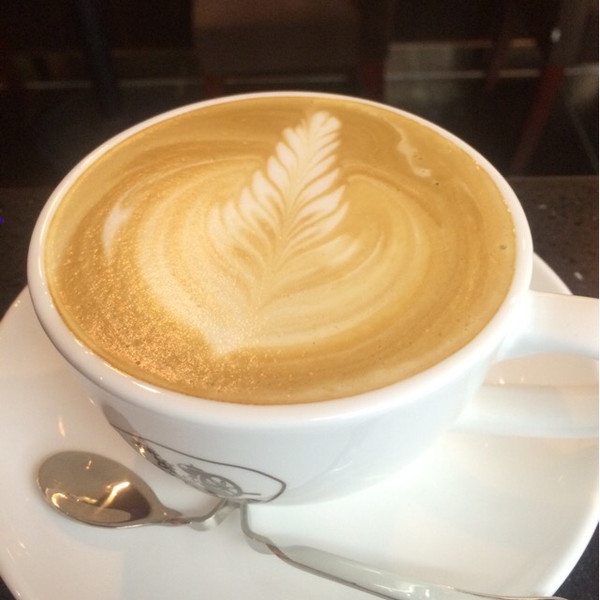
Latte art—also called “Latte Art” in Europe—is the visual design created when pouring steamed milk into espresso. Though it often looks like a flower or leaf, it’s really about the interplay of espresso crema and microfoam. The term doesn’t refer to actual flowers—it’s commonly a fern-like leaf or a simple heart. More than aesthetics, good latte art can improve texture and slightly reduce perceived bitterness by smoothing the mouthfeel. But it all starts with quality milk foam and a well-pulled espresso shot.
How to Steam Milk for Latte Art
Steaming milk correctly is the foundation of any latte art. Here’s how to do it step by step:
- Pour cold milk into your steam pitcher, filling it no more than halfway to allow room for expansion.
- Heat the milk to approximately 60°C, and never exceed 70°C—higher temperatures break down milk proteins and ruin texture. (For iced milk foam, cool to 5°C or below, but don’t let it freeze.)
- Position the steam wand tip at a 45-degree angle just below the milk surface. This angle helps create the right balance of microfoam and larger bubbles for control.
- With the pitcher tilted and the wand tip just under the surface, gently introduce air by moving the wand up and down. Do this for about 30 seconds or roughly 30 light pumps—don’t go too deep or you’ll get large bubbles.
- Once enough air is incorporated, submerge the wand deeper to create a whirlpool effect, heating and smoothing the milk without adding more air.
- Remove the wand, and clean the nozzle. Then, use a spoon to skim off any large bubbles on the surface, leaving behind smooth, velvety microfoam.

The result should be milk with fine, glossy bubbles—what baristas call “microfoam.” This texture is crucial for pouring clean latte art. Avoid big bubbles at all costs; they’ll ruin the design.
Basic Latte Art Techniques: Start With the Heart
There are several classic latte art patterns, but most people begin with the heart. More advanced designs include leaves, tulips, and even rosettas—but they all build on the same fundamentals:
- Heart: The most basic and essential latte art shape. Mastering the heart means controlling your pour’s flow and angle to form a symmetrical, rounded design in the center of the cup.
- Leaf (Fern): A more advanced design that evolves from the heart technique. It involves a slight wrist shake to create the “veins” of the leaf, usually introduced when the cup is about half full, then continuing to pour downward.
- Other designs: Patterns like feathers, apples, double hearts, or twin leaves require more practice and control, including varying your pour speed and angle.
You’ll need a semi-automatic espresso machine with a proper steam wand to get the best results—it gives you control over steam pressure and milk texture. Also, always use fresh whole milk for latte art; its higher fat content helps create stable microfoam. The espresso’s crema also plays a key role: a rich, stable crema holds the milk better and enhances both look and taste.
Smaller cups can be trickier for beginners since the margin for error is smaller. Start with a standard latte cup (around 8–12 oz) to give yourself more space to practice.
Step-by-Step: How to Pour Latte Art
Once your espresso is pulled and your milk is steamed, follow these steps to pour your first design:

- Pour a shot of espresso into your cup—ideally with a rich, golden crema.
- Give the milk pitcher a gentle tap to remove large bubbles, then swirl the milk to integrate the foam and liquid.
- Start pouring from a medium height, letting the milk hit the bottom of the cup to establish a base.
- As the cup fills to about one-third, lower the pitcher closer to the surface and begin moving it forward and backward to shape the design—this is where your heart or leaf begins to form.
- Control your speed and angle to finish with a clean, centered pattern.
It takes time to develop the muscle memory, but with repetition, your pours will become more intuitive. Most beginners start with the heart, then move on to the leaf once they can consistently pour smooth, bubble-free milk.

Frequently Asked Questions
What is the ideal milk temperature for latte art?
The ideal temperature for steaming milk for latte art is around 60°C. Never exceed 70°C, as higher temperatures can break down milk proteins, leading to poor texture and large bubbles that ruin the foam quality needed for clean designs.
Do I need a special espresso machine to make latte art?
You don’t need a commercial machine, but a semi-automatic espresso machine with a quality steam wand is essential. Good steam pressure and control help create the microfoam required for detailed latte art. Machines without proper steam wands make it much harder to get the right milk texture.
Can I use non-dairy milk for latte art?
It’s possible but much harder. Non-dairy milks like almond, soy, or oat lack the fat and protein structure of whole milk, making it difficult to create stable microfoam. For best results, especially when learning, use fresh whole milk. Its higher fat content helps produce the velvety texture needed for clean pours.
What’s the easiest latte art design to learn first?
The heart is the easiest and most common design to start with. It requires basic control of your pour height, angle, and flow. Once you master the heart, you can move on to more complex patterns like the leaf or tulip.
How can I avoid big bubbles in my milk foam?
To avoid big bubbles, don’t submerge the steam wand too high in the milk during the aeration phase. Keep the wand just beneath the surface and gently pulse to introduce air. After aerating, submerge the wand deeper to create a whirlpool and smooth the milk. Always skim off any large bubbles before pouring.
Why is my latte art not coming out clear?
Unclear or messy latte art usually comes from one or more issues: poor microfoam (too many big bubbles), inconsistent pouring angle or speed, or unstable espresso crema. Make sure your milk is smooth and silky, your pour is steady, and your espresso has a rich, even crema.
Recommended FrontStreet Coffee Blends for Latte Art Practice
For home baristas practising latte art, FrontStreet Coffee’s Classic Blend is an excellent choice. This medium-dark roasted, three-region Italian-style blend delivers bold crema and a smooth, velvety body—ideal for supporting latte designs. For a nuttier profile, the Specialty Blend combines Colombian and Brazilian beans, offering chocolatey and caramel notes with stable foam. Both blends produce rich espresso with enough body and crema to hold latte art patterns. If you’re planning to serve coffee professionally, the Commercial Blend adds extra crema and texture due to a touch of added Robusta, making pouring easier. Freshly roasted within 5 days · Orders placed before 17:00 ship the same day · Next-day delivery across most of Guangdong Province.
FrontStreet Coffee is a long-established specialty coffee roaster in Guangzhou China, selling freshly roasted beans from its own farm in Yunnan as well as dozens of carefully selected single-origin beans from around the world for both pour-over and espresso. The products deliver consistently excellent quality and great value, with shipping within 24 hours. Guangzhou's FrontStreet Coffee shop is recommended by many coffee lovers, and the beans are now available online at the Tmall 。
Important Notice :
前街咖啡 FrontStreet Coffee has moved to new addredd:
FrontStreet Coffee Address: 315,Donghua East Road,GuangZhou
Tel:020 38364473