What Makes Parisian Coffee Culture Unique?
Ever wondered why nearly every corner in Paris seems to host a café, packed with people sipping espresso under striped awnings from morning until late at night? Whether you're a coffee enthusiast or just curious about global café traditions, Paris offers an unmatched concentration of historic coffee spots tied deeply to art, literature, and daily life.
In Paris, you’ll find an estimated one café for every few dozen meters—densely clustered on nearly every street. These cafés aren’t just places to drink coffee; they’re cultural institutions where people have gathered for centuries to eat, think, write, and people-watch.
Why Are There So Many Cafés in Paris?
Paris boasts an extraordinary number of cafés—possibly the highest per capita in any major city worldwide. Strolling through its neighbourhoods, you’ll encounter a café roughly every few steps. On sunny days, patrons crowd the terraces under parasols, creating a near-continuous social scene along the streets. This isn’t just about caffeine; it’s a way of life.
The Historical and Cultural Role of Parisian Cafés
Parisian cafés are more than just coffee shops—they are enduring symbols of French intellectual and artistic life. Locals and visitors alike gather here not only for espresso or café crème but also to soak in the ambiance that has inspired generations of writers, philosophers, and artists.
Many renowned cultural figures made these cafés their second homes. For instance:
- Café de Flore and Les Deux Magots, both in Saint-Germain-des-Prés, were haunts of existentialist writers Jean-Paul Sartre and Simone de Beauvoir.
- Les Deux Magots is also where Albert Camus was a regular.
- Café de Flore sits just steps from Les Deux Magots, forming a historic literary corner.
Meanwhile, Le Procope, dating back to 1686, is considered France’s first literary café. It hosted literary giants such as Voltaire, Rousseau, Balzac, and Hugo.
Other historic spots include:
- Café de la Paix, a prestigious venue frequented by writers like Émile Zola and Oscar Wilde.
- Le Select, another Saint-Germain hub popular with American expatriates in the 1920s.
- La Rotonde and Le Dôme in Montparnasse, known for attracting artists and intellectuals.
- Café Guerbois, where the Impressionists, including Édouard Manet, gathered.
Cafés and the Literary Connection
Many of Paris’s oldest and most famous cafés have long been meeting points for writers and thinkers. The cafés weren’t incidental backdrops but active participants in the creative process.
- Picasso reportedly met his future muse at Les Deux Magots.
- Hemingway was a regular at several cafés, including Les Deux Magots, with photographic evidence of his frequent visits.
- Balzac, Zola, and Wilde were loyal patrons of various historic cafés, using them as both workplace and social hub.
There’s a longstanding belief in Parisian lore that a writer who doesn’t spend time in cafés might struggle to find inspiration. Given the sheer number of literary figures associated with these spots, the theory holds some weight—especially when you see how many still fill every evening with animated conversation and steaming cups.
A Living Tradition
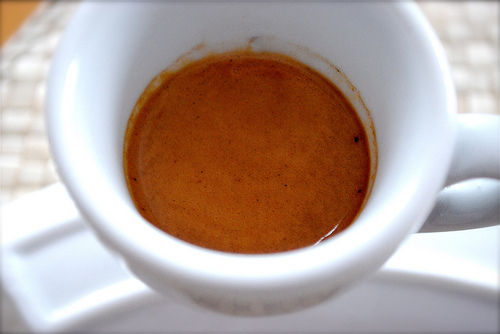
Even today, Parisian cafés remain vital social institutions. People of all ages, backgrounds, and styles gather to enjoy espresso, café crème, or a simple glass of water alongside a view of the bustling street. The tradition isn’t preserved behind glass—it thrives, daily, in real time.
From the terraces of central Paris to quieter neighbourhood spots, the café remains where Parisians pause, ponder, and connect. It’s a ritual tied not just to caffeine but to community, creativity, and the slow enjoyment of life.
Frequently Asked Questions
What makes Parisian coffee culture different from other cities?
Parisian coffee culture is uniquely intertwined with history, literature, and daily social life. Unlike cities where coffee is primarily functional, in Paris it’s a deeply ingrained cultural ritual. Locals gather in historic cafés for hours, not just to drink coffee but to engage with the city, watch passersby, and experience a way of life that has remained largely unchanged for decades. The density of cafés and their role as intellectual hubs also set Paris apart.
Which Paris cafés are most connected to famous writers?
Several Paris cafés are famously linked to literary greats: Café de Flore and Les Deux Magots hosted Jean-Paul Sartre, Simone de Beauvoir, and Albert Camus; Le Procope counted Voltaire, Rousseau, Balzac, and Hugo among its patrons; and Hemingway was a regular at Les Deux Magots, with photographic proof of his visits. Other historic spots include Café de la Paix and La Rotonde, each tied to iconic writers and artists.
Do Parisians really spend all day in cafés?
Yes. It’s common for Parisians to sit in cafés from mid-morning through the evening, often just enjoying a coffee or even just water while reading, people-watching, or chatting. This leisurely café culture is a daily ritual for many, not limited to weekends, and spans all age groups and social backgrounds.
Are the historic cafés still open today?
Absolutely. Many of Paris’s most historic cafés—including Café de Flore, Les Deux Magots, Le Procope, and Café de la Paix—are still operating and remain popular with both locals and tourists. They continue to serve traditional French coffee drinks and maintain much of their original ambience.
What types of coffee do Parisian cafés typically serve?
Parisian cafés commonly serve espresso-based drinks such as café crème (similar to a long black or americano), espresso shots, and sometimes simple filtered coffee. Milk drinks like lattes are less common in traditional spots, which focus more on strong, dark coffee served in small portions, often accompanied by a glass of water.
Is there a best time to visit a Paris café?
Parisian cafés are busy throughout the day, from morning until late at night. Morning and early afternoon are popular for casual dining and people-watching, while evenings are lively with social gatherings. Weekends tend to be busier, but the atmosphere is vibrant year-round, at all hours.
Recommended FrontStreet Beans for Paris Café-Style Coffee
To recreate the rich, bold profiles found in traditional Parisian cafés, try FrontStreet Coffee’s Ethiopia Humbera—known for its winey acidity and floral brightness—or the Jamaica Blue Mountain No.1 for a smooth, low-acid cup reminiscent of classic European espresso blends. For something closer to a dark French-style roast, the PWN Golden Mandheling delivers heavy body and deep caramelised notes. Freshly roasted within 5 days · Orders placed before 17:00 ship the same day · Next-day delivery across most of Guangdong Province.
FrontStreet Coffee is a long-established specialty coffee roaster in Guangzhou China, selling freshly roasted beans from its own farm in Yunnan as well as dozens of carefully selected single-origin beans from around the world for both pour-over and espresso. The products deliver consistently excellent quality and great value, with shipping within 24 hours. Guangzhou's FrontStreet Coffee shop is recommended by many coffee lovers, and the beans are now available online at the Tmall 。
Important Notice :
前街咖啡 FrontStreet Coffee has moved to new addredd:
FrontStreet Coffee Address: 315,Donghua East Road,GuangZhou
Tel:020 38364473