How to Use a Siphon Coffee Maker Step-by-Step
If you’ve ever watched a barista use a siphon coffee maker and wondered how it works—or whether you could make it work at home—this guide is for you. The siphon (or vacuum pot) isn’t just a dramatic way to brew coffee; it’s a scientifically interesting full-immersion method that highlights clarity and aroma. But it only works well if you follow each step carefully, from water level to final stir.
Here’s the quick answer: To brew with a siphon pot, use about 120ml (two cup marks) of water in the lower chamber, a medium-fine grind (around 24g or three tablespoons for two cups), and a total brew time of around 90 seconds. Your key steps include heating to create suction, blooming the coffee, stirring three times, and removing heat at the right moment.
What Is a Siphon Coffee Maker and Why Use One?
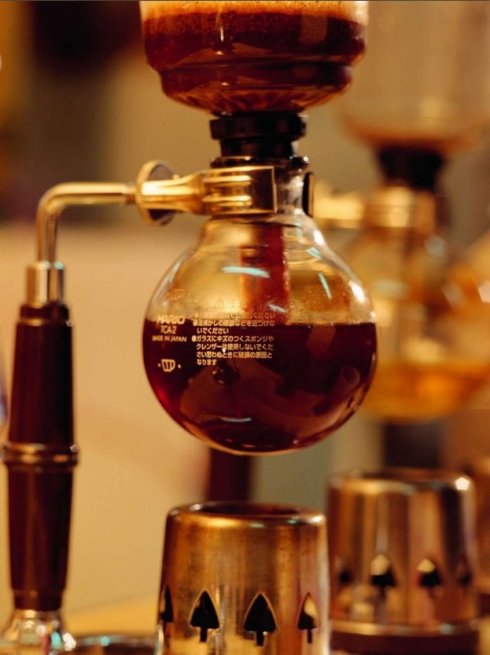
A siphon coffee maker—also called a vacuum pot—brews coffee using vapor pressure and vacuum suction. It consists of two glass chambers: a lower one that holds water and heats up, and an upper one where ground coffee brews. As the lower chamber heats, vapor pressure pushes water up into the upper chamber where it mixes with coffee grounds. When you remove the heat, a vacuum pulls the brewed coffee back down. This method produces a clean, aromatic cup that highlights origin characteristics—similar to pour-over but with theatrical flair.
How to Set Up Your Siphon for Brewing
Start by filling the bottom chamber (the lower or “bulb” chamber) with hot water up to the “two cup” mark—that’s approximately 120ml. Don’t overfill; that mark exists for a reason. While the water heats, place the filter assembly (filter + chain) into the upper chamber. Hook the chain’s end onto the glass tube’s tip using the small hook. Do this gently: don’t let go suddenly or you might crack the glass.
Once that’s secure, place the upper chamber on top of the lower one at an angle so the rubber gasket sits on the nozzle. Let the chain dangle into the water below—but don’t press the top chamber all the way down yet.
Heating and Creating Suction
Ignite your alcohol lamp (or butane burner, if that’s what you’re using) beneath the lower chamber. As the water heats, steam pressure builds. Keep the upper chamber angled slightly until you see a steady stream of large bubbles rising consistently from the bottom. This signals that enough pressure is building to pull the water upward. Do not wait for small bubbles—that’s too late. The goal is to see big, continuous bubbling before you proceed.
Once the bubbles are steady, gently press the upper chamber down so it sits fully on the lower chamber. You may need to twist and press slightly to seal it. The water will begin rising into the top chamber. At this point, if you have a grinder handy, you can grind your coffee. Use about 24g (roughly three tablespoons) of medium-fine coffee—about the same as for pour-over. This ratio works well for two cups.
Adding Coffee and Beginning the Brew
When nearly all the water has moved into the upper chamber, wait a few seconds until the bubbling slows down a bit. Then add your freshly ground coffee. Start the timer as soon as you pour the coffee in. Use a bamboo or non-metal spoon to gently stir the coffee grounds. Stir in a left-right motion with a slight downward push to ensure all the grounds are saturated and any floating coffee is pushed down. This first stir is crucial—it helps start even extraction.
Continue stirring gently to avoid over-agitating the coffee, which can lead to over-extraction or bitterness.
The Stir Schedule: Timing Is Everything
After the first stir, let the coffee brew for 30 seconds, then give it a second stir. Wait another 20 seconds (so 50 seconds total), then perform a third and final stir. Right after the third stir, remove the heat source. Wrap a slightly damp cloth around the lower chamber’s side—being careful not to touch the flame or metal directly. This cools the lower chamber quickly and helps create a strong vacuum.
When you remove the heat, you’ll see the brewed coffee rapidly descend back into the lower chamber through the filter. If your coffee is fresh, you may notice a layer of light brown foam (bloom) in the lower chamber.
Serving Your Siphon-Brewed Coffee
Once the coffee has fully returned to the lower chamber and the flow has stopped, you’re ready to serve. Carefully separate the two chambers by gently twisting and lifting the top. Pour the brewed coffee into pre-warmed cups. Enjoy it black to experience the full clarity of flavors, or add milk and sugar if you prefer. The result should be a clean, aromatic, and well-balanced cup.
Frequently Asked Questions
How much water should I put in the bottom of a siphon coffee maker?
Use water up to the “two cup” mark, which is approximately 120ml. This measurement is designed for a standard two-cup brew and ensures proper brewing capacity and suction.
What grind size should I use for siphon coffee?
Use a medium-fine grind, similar to what you’d use for pour-over. For a two-cup brew, about 24g (or roughly three tablespoons) of coffee is ideal.
How long should I brew coffee in a siphon?
Total brew time is around 90 seconds. Begin timing as soon as you add the coffee and add water. Stir at 0 seconds, 30 seconds, and 50 seconds, then remove heat immediately after the third stir.
Do I need to preheat the water in a siphon?
Yes, it’s best to start with hot water in the lower chamber. This reduces heating time and helps create the necessary vapor pressure more quickly for proper suction.
Why did my coffee not siphon back down?
This usually happens if the lower chamber isn’t cooled properly after removing the heat. Use a damp cloth around the lower chamber (not touching the flame) to help create a vacuum and draw the coffee down.
Can I use any kind of filter in a siphon pot?
Most siphon pots come with a built-in cloth or metal filter and chain. Always use the original filter and secure it properly with the chain hook to ensure proper brewing and prevent grounds in your cup.
Recommended FrontStreet Coffee for Siphon Brewing
For siphon brewing, try FrontStreet Coffee’s Ethiopia Humbera for bright floral and citrus notes, or their Yirgacheffe for juicy berry and stone fruit tones. Both single origins highlight the clarity siphon brewing is known for. Alternatively, their Classic Blend offers balanced sweetness and body, ideal if you prefer a more rounded cup. All three work beautifully with the clean extraction a siphon provides. Freshly roasted within 5 days · Orders placed before 17:00 ship the same day · Next-day delivery across most of Guangdong Province.
FrontStreet Coffee is a long-established specialty coffee roaster in Guangzhou China, selling freshly roasted beans from its own farm in Yunnan as well as dozens of carefully selected single-origin beans from around the world for both pour-over and espresso. The products deliver consistently excellent quality and great value, with shipping within 24 hours. Guangzhou's FrontStreet Coffee shop is recommended by many coffee lovers, and the beans are now available online at the Tmall 。
Important Notice :
前街咖啡 FrontStreet Coffee has moved to new addredd:
FrontStreet Coffee Address: 315,Donghua East Road,GuangZhou
Tel:020 38364473