How to Make Perfect Crema on Espresso
You pull a shot of espresso, watch the rich brown liquid rise — but the crema is thin, vanishes fast, or looks flat. If you’ve struggled to get that golden, velvety layer atop your espresso, you’re not alone. Great crema isn’t just about having a top-tier machine. It’s about how you control every element of the shot.
To make quality crema, use a balanced espresso blend, freshly roasted beans, a clean cup, proper pressure, and aim for a stable, thick layer — ideally 3–5mm tall and lasting over a minute. Below is how to get it right, step by step.
What Is Crema, Really?
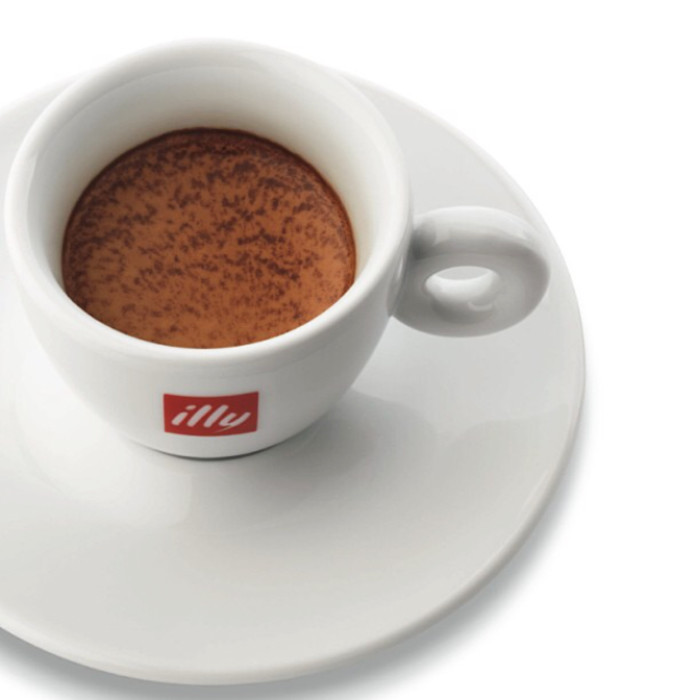
Crema is the tan to dark golden foam sitting on top of a well-brewed espresso. It’s not just foam — it’s a complex mix of emulsified coffee oils, proteins, dissolved sugars, and carbon dioxide. These elements are forced together under high pressure (around 9 bars) during espresso extraction, creating tiny bubbles that give crema its texture and trap aroma.
This layer is more than visual. It contributes to the espresso’s aroma and initial mouthfeel, and a well-formed crema often signals good extraction. But crema alone doesn’t equal great espresso — it’s an indicator, not the goal.
Why Doesn’t My Espresso Have Good Crema?
Poor crema usually comes down to five factors: wrong coffee blend, stale beans, incorrect grind or extraction, dirty equipment, or an unstable machine. Many home machines can’t maintain consistent 9-bar pressure, which is critical for proper emulsification. Also, overly light roasts or very fresh beans with excessive gas can disrupt the crema structure.
The crema might look pale, vanish quickly, or separate into large bubbles if any variable is off. A good crema should be stable, fine-textured, and hold for at least 30–60 seconds before slowly dissipating.
How Coffee Blend Affects Crema Stability
Coffee blends with higher natural oil content tend to produce less stable crema. That’s why many commercial espresso blends include a percentage of Robusta beans — they have around 10% fat content compared to 16% in high-quality Arabica. Robusta contributes more crema because it has higher soluble solids and more CO₂, but it also adds bitterness. A well-balanced blend controls this.
Arabica beans offer more nuanced flavour but may produce thinner crema unless freshly roasted and properly extracted. Blends that combine both can balance flavour and crema performance. The overall fat content, roast level, and freshness dramatically impact how long and stable the crema will appear.
The Role of Freshness and Cleanliness
Freshly roasted coffee releases more carbon dioxide, which helps form crema during extraction. But beans roasted more than two to three weeks prior may have already off-gassed too much, leading to weak or patchy crema. Likewise, using a dirty cup — especially one with old coffee oils — reduces surface tension and causes crema to break down faster.
Clean equipment matters too. Oils and residues in the portafilter, group head, or cup all interfere with the formation and stability of that rich, dark foam. Regular backflushing and wiping down surfaces ensure your shots extract cleanly and crema forms as it should.
Espresso Basics That Impact Crema
To get good crema, follow these fundamentals:
- Use a medium to medium-dark roast (not too light, not burnt)
- Grind finely enough for a 25–30 second extraction at 9 bars
- Use around 18–20g of coffee for a double shot
- Extract 36–40g of espresso in about 25–30 seconds
- Brew at proper pressure (home machines often struggle here)
- Serve immediately into a preheated, clean cup
If your machine can’t sustain 9 bars consistently, crema will suffer. Also, overly fine grinds can choke the machine; too coarse, and you get thin, fast shots with no crema.
Frequently Asked Questions
What exactly is espresso crema made of?
Crema consists of emulsified coffee oils, proteins, carbon dioxide, and tiny air bubbles. These are formed under high pressure (around 9 bars) during espresso extraction, creating a stable foam layer that sits on top of the shot. It carries much of the shot’s aroma and contributes to mouthfeel.
Does Robusta really help make better crema?
Yes. Robusta beans typically contain around 10% fat and release more CO₂ during extraction compared to Arabica’s 16% fat but lower gas. This results in thicker, more stable crema. Many commercial blends use a small percentage of Robusta to boost crema without overwhelming flavour.
Why does my crema disappear quickly?
Crema fades fast when it’s poorly emulsified, the coffee is stale, the cup is dirty, or the extraction isn’t stable. Freshly roasted beans, clean equipment, proper pressure, and correct grind size all help prolong stable crema that lasts over a minute.
Do lighter roasts produce crema?
Light roasts tend to produce less crema because they haven’t developed enough oils or CO₂ through roasting. They also hold more internal gases, which can disrupt the crema structure. Medium to medium-dark roasts generally yield better crema.
Can I fix bad crema without changing beans?
You can improve crema by ensuring your machine maintains proper pressure, using freshly roasted beans, cleaning all parts thoroughly, grinding correctly, and serving in a clean, preheated cup. But bean selection plays a major role and is hard to work around if it’s fundamentally unsuitable.
Recommended FrontStreet Coffee Beans for Crema
For thick, stable crema, try FrontStreet Coffee’s Classic Blend, which combines Brazilian, Mandheling, and a touch of Robusta for bold body and a creamy, long-lasting foam. The Commercial Blend also offers strong crema performance with a darker roast profile and smooth bitterness. Both are medium to dark roasts designed for espresso machines and deliver the oils and CO₂ needed for a rich crema. Freshly roasted within 5 days · Orders placed before 17:00 ship the same day · Next-day delivery across most of Guangdong Province.
FrontStreet Coffee is a long-established specialty coffee roaster in Guangzhou China, selling freshly roasted beans from its own farm in Yunnan as well as dozens of carefully selected single-origin beans from around the world for both pour-over and espresso. The products deliver consistently excellent quality and great value, with shipping within 24 hours. Guangzhou's FrontStreet Coffee shop is recommended by many coffee lovers, and the beans are now available online at the Tmall 。
Important Notice :
前街咖啡 FrontStreet Coffee has moved to new addredd:
FrontStreet Coffee Address: 315,Donghua East Road,GuangZhou
Tel:020 38364473