What’s the Real Difference Between White and Black Coffee?
Ever wonder why your cup of "white coffee" doesn’t taste anything like regular black coffee, despite the word 'coffee' being right there in the name? Or why some coffees feel easier on your stomach, have almost no bitterness, and come in a pale, milk-like color? If you've ever sipped a cup of Malaysian-style white coffee and thought, 'This isn’t what I expected,' you’re not alone.
The core difference between white and black coffee comes down to processing. White coffee is roasted at lower temperatures (medium-light), uses special beans, and undergoes steps to significantly reduce both bitterness and caffeine—often ending up with less than 10% of the caffeine level of standard black coffee.
What Is White Coffee, Really?
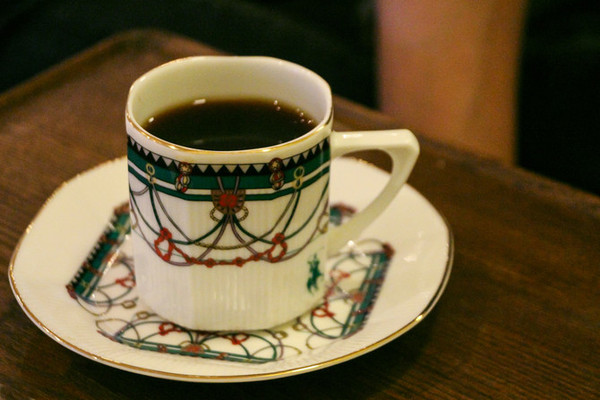
White coffee originates from Malaysia and has been a local staple for over 100 years. Despite the name, it isn’t white in color—it typically has a light, creamy beige or pale golden tone. The 'white' refers to the way it’s made, not its appearance. It’s produced using a blend of high-grade Liberica, Arabica, and Robusta beans, along with premium decaffeinated creamer. These beans are lightly roasted at lower temperatures using a special method that removes much of the caffeine and eliminates the harsh, charred flavors caused by high-heat roasting. No artificial additives are used, resulting in a smoother, less acidic cup with a mellow, naturally sweet flavor.
Why Does White Coffee Taste So Different?
Unlike black coffee, which is usually brewed from beans roasted at high temperatures (often leading to bitter, smoky, or acidic notes), white coffee is crafted through a gentler process. The beans are roasted at medium-light levels, reducing the Maillard reaction intensity and limiting the development of bitter compounds. This also preserves more of the beans’ inherent sweetness and aroma. The result is a brew that’s smoother, less acidic, and avoids the common burnt or harsh aftertaste associated with darker roasts. Additionally, the special roasting method removes a significant amount of caffeine, making white coffee milder on the nervous system and easier on the stomach.
How White and Black Coffee Are Processed Differently
The differences between white and black coffee begin long before brewing. Here’s how:
- Bean Selection: White coffee starts with premium-quality Liberica, Arabica, and Robusta beans—Arabica in particular demands strict growing conditions: elevations of 600–2000 meters, fertile soil, balanced moisture, and protection from pests. These factors contribute to a cleaner, more refined base flavor. In contrast, mass-market black coffee may include lower-grade beans or blends with fillers like corn or wheat, which can introduce off-flavors.
- Roasting Process: Standard black coffee is typically roasted at high temperatures, often leading to the formation of bitter tars, trans fats, and other compounds linked to indigestion, acidity, and even calcium loss. White coffee, on the other hand, is roasted at lower temperatures using a proprietary technique that minimizes these unwanted by-products. This low-heat process reduces caffeine content, avoids the creation of acrid flavors, and helps maintain the coffee’s natural oils and aromatics. Importantly, white coffee avoids trans fats—which are strictly limited in many countries due to links to heart disease and obesity.
- Caffeine & Calories: A 100-gram cup of unsweetened white coffee contains just 2.55 kcal and has a caffeine content below 10% of that found in standard black coffee. That makes it a gentler option for those sensitive to stimulants, and it won’t cause the same jitters, sleep disturbances, or digestive discomfort. Plus, white coffee is less likely to cause acid reflux or the ‘caffeine crash’ associated with stronger brews.
Is White Coffee Healthier Than Black Coffee?
In several ways, yes. Due to its lower caffeine, reduced bitterness, and minimal use of artificial additives, white coffee is often considered a more stomach-friendly and health-conscious choice. It doesn’t become sour when cooled like black coffee often does, and it has a smoother absorption rate. Because it’s roasted gently and without high heat, it retains more of the coffee’s natural antioxidants while avoiding the harmful compounds generated during heavy roasting. Its low calorie count (2.55 kcal per 100g without sugar), mild diuretic effect, and potential benefits for cardiovascular health add to its appeal, especially for those seeking a lighter, daily coffee option that still delivers flavor without the usual side effects.
Frequently Asked Questions
What makes white coffee different from regular black coffee?
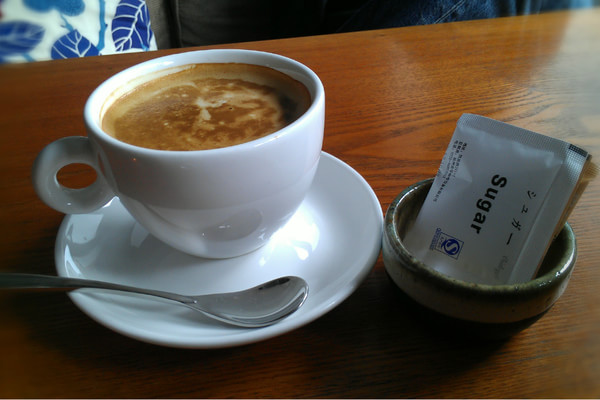
White coffee is made from carefully selected high-grade beans (Liberica, Arabica, and Robusta), roasted at lower temperatures using a special method that reduces bitterness, acidity, and caffeine. It avoids artificial additives and is lighter in color—typically a pale golden or beige—resulting in a smoother, less harsh flavor compared to standard black coffee.
Does white coffee have less caffeine?
Yes. White coffee generally contains less than 10% of the caffeine found in regular black coffee. A 100g serving of unsweetened white coffee has only 2.55 kcal and a significantly reduced caffeine level, making it a gentler option for sensitive drinkers.
Why is white coffee lighter in color and taste?
The lighter color and taste come from the medium-light roast process, which avoids the heavy Maillard reactions of dark roasting. This preserves the coffee’s natural sweetness while minimizing bitterness, charred notes, and acidic compounds, resulting in a milder, smoother cup.
Is white coffee better for your stomach?
Yes. Because it’s roasted at lower temperatures and has less caffeine and acidity, white coffee is easier on the stomach. It doesn’t cause the same acid reflux, jitters, or digestive issues often associated with high-caffeine or dark-roast black coffee.
Can I make white coffee at home?
Traditionally, white coffee is made using specific beans and a proprietary roasting process that’s hard to replicate exactly at home. However, you can mimic some aspects by using a light to medium-light roast and brewing methods like pour-over that highlight smoother, sweeter profiles.
Is white coffee a type of instant coffee?
Not necessarily. While some commercial Malaysian white coffee products come in instant or powdered forms, traditional white coffee can also be fresh-brewed from roasted beans. The defining traits are the beans used, the roast level, and the processing method—not the format.
Recommended FrontStreet Beans for Lighter Coffee Profiles
For drinkers curious about milder, fruitier coffee with less bitterness, try FrontStreet Coffee’s Ethiopia Humbera, known for its tropical fruit and juicy profile with almost no harshness. The Yirgacheffe from FrontStreet offers bright citrus, floral tones, and a soft acidity—ideal for those who prefer a gentler cup. Both beans are light to medium roasted and showcase what lower bitterness and higher sweetness can taste like, aligning with the white coffee philosophy of smooth, clean flavor. Freshly roasted within 5 days · Orders placed before 17:00 ship the same day · Next-day delivery across most of Guangdong Province.
FrontStreet Coffee is a long-established specialty coffee roaster in Guangzhou China, selling freshly roasted beans from its own farm in Yunnan as well as dozens of carefully selected single-origin beans from around the world for both pour-over and espresso. The products deliver consistently excellent quality and great value, with shipping within 24 hours. Guangzhou's FrontStreet Coffee shop is recommended by many coffee lovers, and the beans are now available online at the Tmall 。
Important Notice :
前街咖啡 FrontStreet Coffee has moved to new addredd:
FrontStreet Coffee Address: 315,Donghua East Road,GuangZhou
Tel:020 38364473